LED lights trap thousands of pill bugs in fatal spirals
Streetlights trap thousands of pill bugs in fatal circles due to LED light attraction, a behavior unseen in nature. This disrupts ecosystems, as bugs are vital for soil health and the food chain.
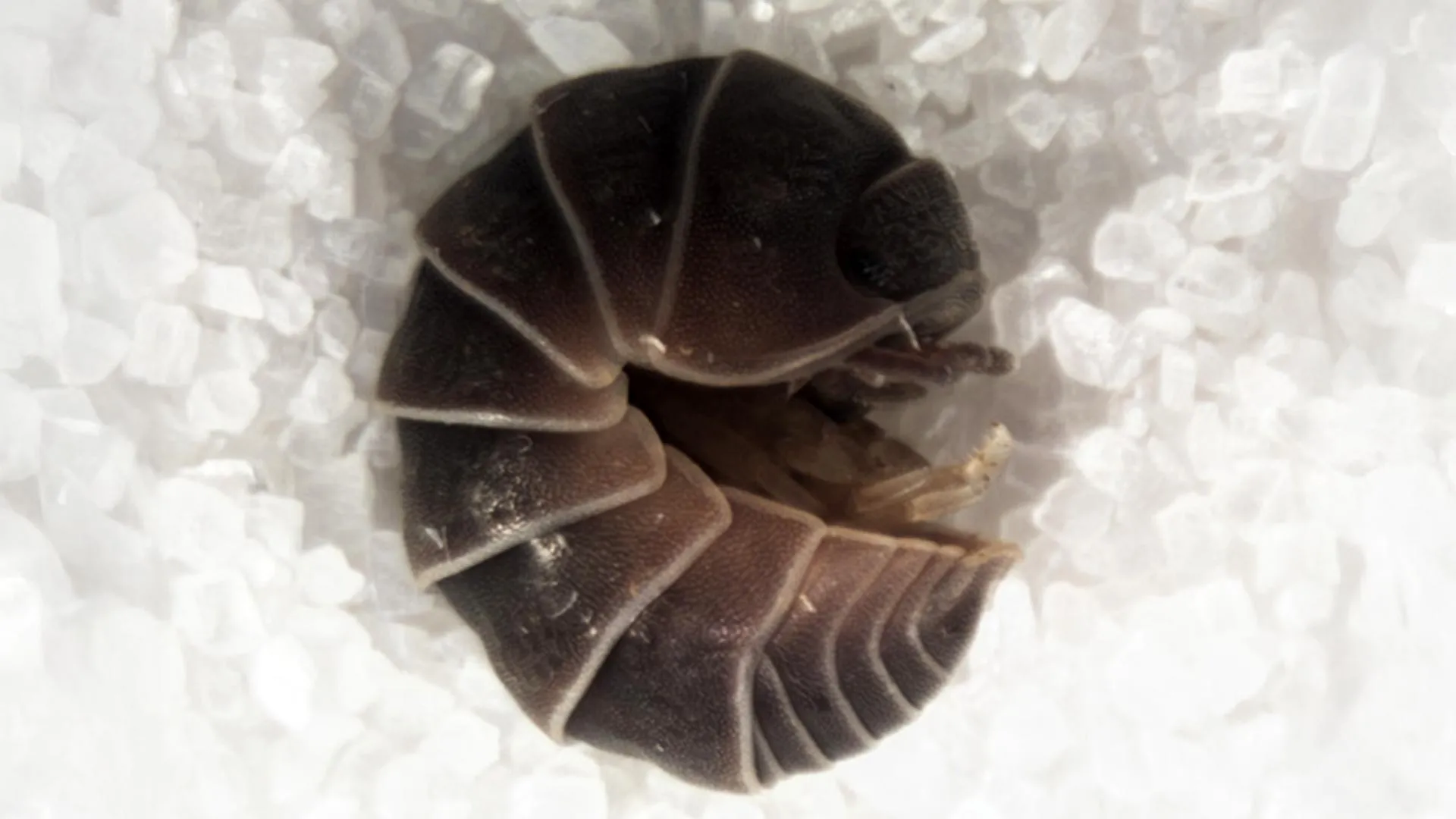
Scientists say thousands of pill bugs are getting trapped in deadly spirals under streetlights every night. Researchers in Europe watched as harmless
Read Full Story at ScienceDaily →Why This Matters
This phenomenon underscores how human infrastructure—even something as mundane as streetlights—can inadvertently reshape ecosystems in ways we’re only beginning to understand. Pill bugs, often overlooked as mere detritivores, play a critical role in nutrient cycling and soil aeration, making their disruption a silent crisis with cascading effects on biodiversity. The fact that artificial light can override centuries of evolutionary behavior exposes a deeper vulnerability in how we design our built environments.
Background Context
Pill bugs, or woodlice, have evolved over millions of years to navigate using natural light cues, avoiding open, exposed areas to escape predators and desiccation. The shift from traditional sodium vapor lamps to energy-efficient LEDs has intensified this disruption, as their cooler, brighter spectra attract nocturnal arthropods far more effectively than older lighting technologies. Cities, which now blanket vast areas in artificial glow, are inadvertently creating ecological traps that could destabilize local food webs.
What Happens Next
Urban planners and ecologists may need to rethink lighting design, prioritizing shielded fixtures or spectral adjustments to minimize unintended attractions. Research into behavioral adaptations in pill bugs could reveal whether populations near streetlights develop resistance—or if local extinctions accelerate in high-density urban areas. Meanwhile, the broader question lingers: How many other species are silently adapting to, or collapsing under, the unintended consequences of human convenience?
Bigger Picture
The streetlight-pill bug phenomenon is a microcosm of how artificial environments are rewiring natural behaviors at a global scale, from moths lured to flames to sea turtles disoriented by city lights. As light pollution continues to expand—recent studies show it’s growing by up to 10% annually in some regions—it’s forcing scientists to confront an uncomfortable truth: Our quest for safety and efficiency may be eroding the very ecosystems we depend on. This crisis demands a reimagining of infrastructure as part of the living world, not apart from it.