Neuroscientists find stress scrambles brain’s GPS in MRI study
Stress impairs navigation by disrupting grid cells in the brain, a study found. This matters because it shows how stress can directly scramble the brain's internal GPS system, affecting spatial mappi…
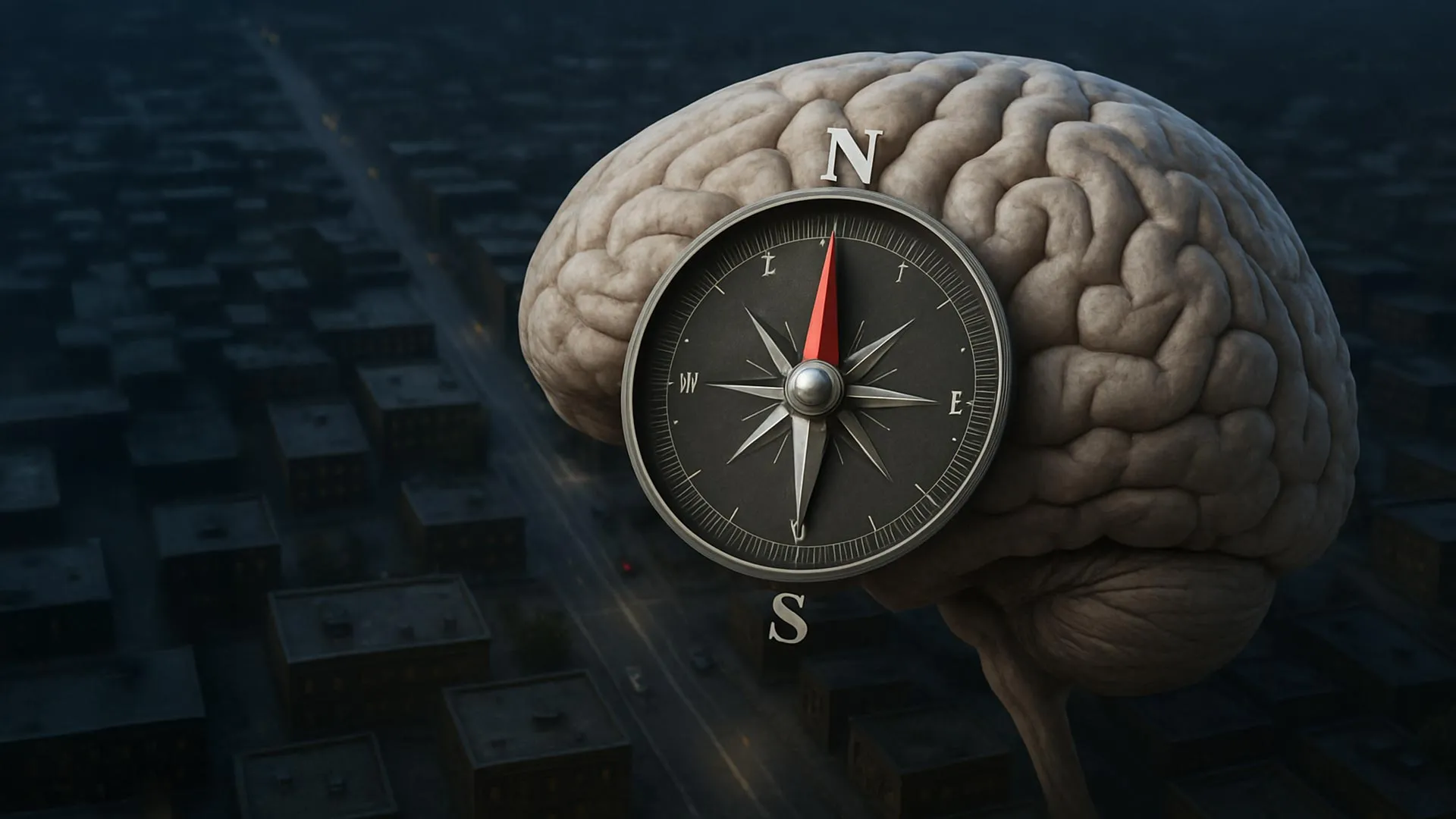
Stress can temporarily shut down the brain’s built-in sat-nav system, a new MRI study shows. Researchers found that the stress hormone cortisol sharply impairs navigation and disrupts grid cells, the specialized neurons that map our position in space. In a virtual-reality maze, volunteers under elevated cortisol were slower to reach targets and made more wrong turns. When familiar landmarks were removed, the grid-cell network nearly stopped firing, forcing a different brain area to take over.
The finding adds to mounting evidence that stress reshapes how we think. Cortisol is meant to help us react fast in danger, but it appears to overload the hippocampus, the memory hub that also hosts grid cells. The study, published today, used real-time fMRI to watch brain activity as 52 adults navigated a virtual town. Half were given hydrocortisone to mimic high stress; the rest got a placebo. Only the stressed group showed a dramatic drop in grid-cell precision and a surge in activity in the prefrontal cortex, a region better suited to quick, rule-based decisions than spatial mapping.
Previous work linked high cortisol to poorer recall and slower learning, but this is the first to show it directly scrambles the brain’s internal GPS. The effect was strongest when volunteers had no visual cues—like walking blindfolded in a familiar room—because grid cells rely on landmarks to keep their bearings. One participant, a 28-year-old graduate student, told researchers afterward, “It felt like my brain was glitching; I kept forgetting which way I’d come.” The team measured a 40 percent drop in navigation accuracy under stress compared with the placebo group.
What happens next could shape how we treat stress-related memory loss. The researchers now plan to test whether mindfulness or breathing exercises can protect grid cells during stressful tasks. They also want to see if repeated exposure to stress rewires the navigation system for good. The results matter because GPS-style navigation underpins everything from remembering where you parked to following complex routes. If stress can switch it off temporarily, long-term exposure could quietly erode spatial memory—with knock-on effects for daily life.
Read Full Story at ScienceDaily →