Subterranean fungi networks more than 100 quadrillion km in length, study finds
First ever global mapping of arbuscular mycorrhizal fungi shows scale of hyphal systems that sustain plant life Our planet’s soils contain enough of the subterranean fungi that sustain plant life and help regulate the climate to stretch from the Earth to the sun almost three-qua
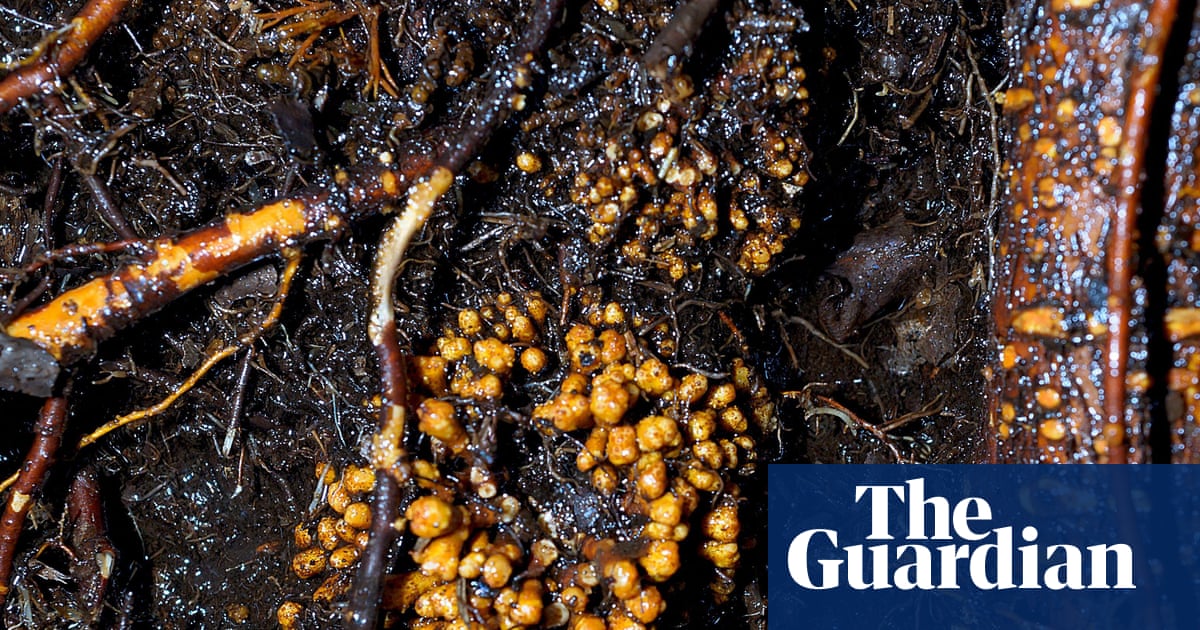
First ever global mapping of arbuscular mycorrhizal fungi shows scale of hyphal systems that sustain plant life
Our planet’s soils contain enough of the subterranean fungi that sustain plant life and help regulate the climate to stretch from the Earth to the sun almost three-quarters of a billion times, a groundbreaking new study has found.
Arbuscular mycorrhizal fungi are networks of tubular cells called hyphae that sustain life on Earth by forming critical partnerships with more than 70% of plants. The networks, which have been forming for about 475 million years, provide nutrients and water in exchange for the carbon produced by the plants, and help to regulate the climate by drawing carbon into soils.
And yet, despite their importance, very little is known about their distribution and density across natural ecosystems. This was one of the reasons that the Society for the Protection of Underground Networks (Spun) was set up in 2021 by a global network of scientists and researchers.
Now, in a new study published in Science and referred to as “one of the most exciting of my career” by one researcher, a Spun team have used machine-learning models with data from more than 16,000 soil cores from around the world to produce the first ever global map of arbuscular mycorrhizal fungi networks.
They calculated that the fungi networks, if stretched end to end, would reach a length of 110 quadrillion kilometres, which is almost 750m times the distance from the Earth to the sun.
“There could be up to 10 metres (32ft) of mycorrhizal network in just a teaspoon of soil,” said Dr Justin Stewart, lead author of the study.
The study also documents potential threats to this life-giving infrastructure, with the researchers finding that, on average, network densities in cropland are 47.3% lower than in wild ecosystems.