NOAA confirms super El Niño, warns of significant global weather disruptions
The NOAA has confirmed a "super" El Niño is likely, which could lead to significant global weather disruptions, including increased pest outbreaks, fish migration changes, and altered agricultural yi…

The National Oceanic and Atmospheric Administration (NOAA) announced that a "super" El Niño is now nearly certain, with significant weather impacts expected across the globe. This phenomenon, characterized by warmer ocean temperatures in the central and eastern Pacific, typically occurs every few years and can disrupt weather patterns worldwide. The current event is expected to be stronger than usual, raising concerns about its wide-ranging effects.
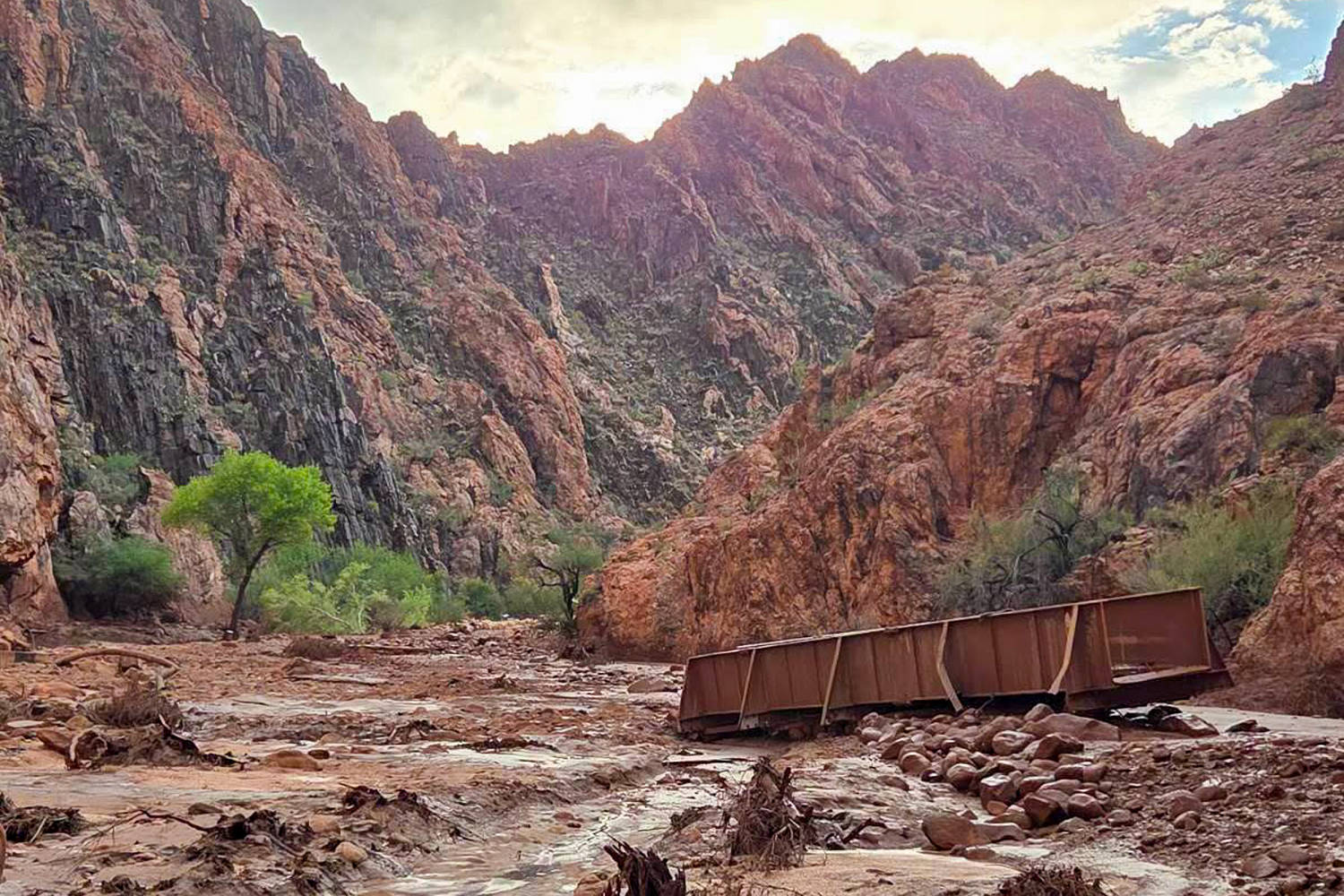
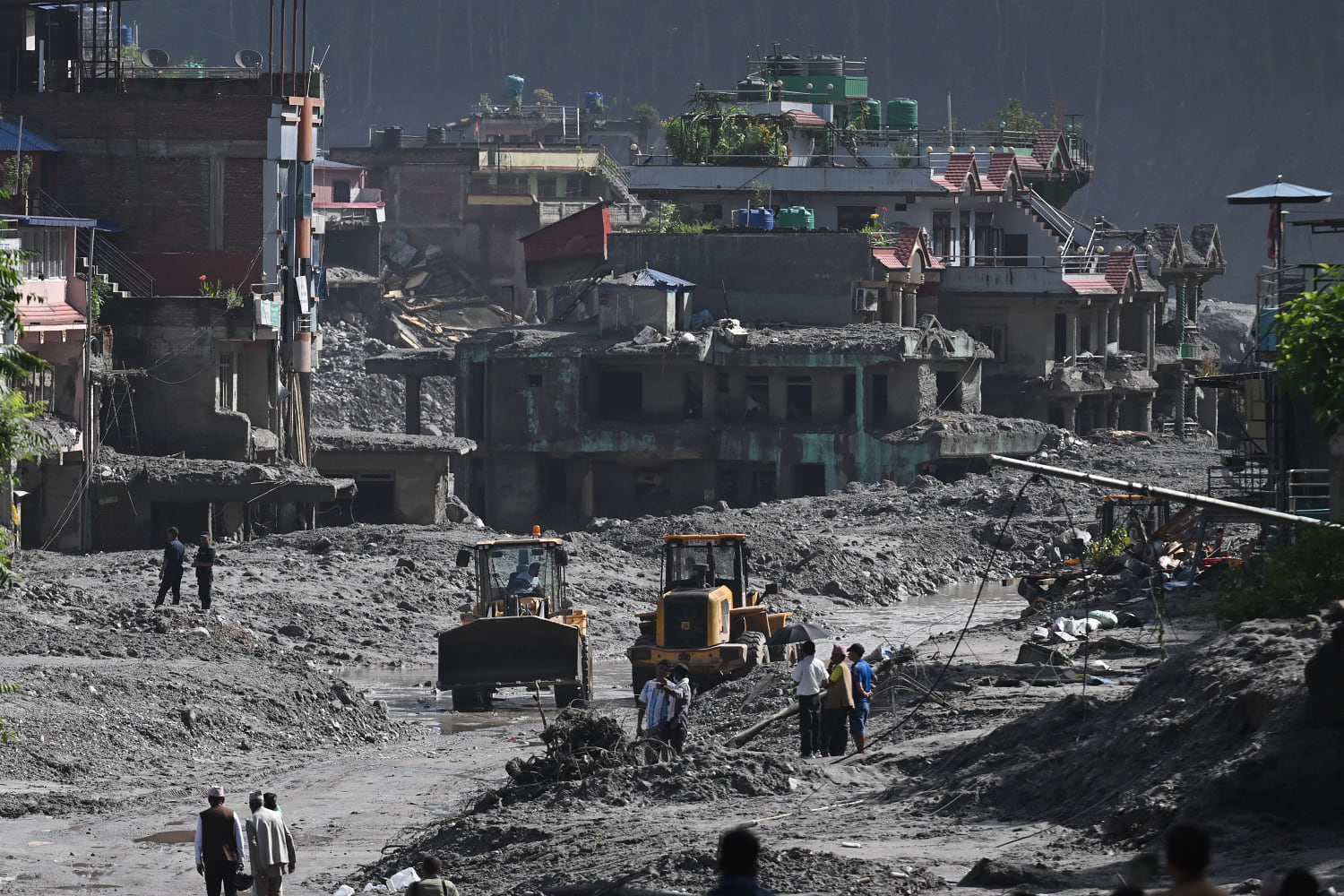
El Niño events usually lead to increased rainfall in some regions and droughts in others. This year, experts are warning of five lesser-known side effects that could have profound implications. These include increased pest and disease outbreaks, changes in fish migration patterns, engagement of tropical cyclones, shifts in agricultural yields, and heightened global temperatures. These impacts can disrupt local economies, food supply chains, and even health systems, making it critical for communities to prepare.
The last "super" El Niño occurred in 2015-2016, which resulted in severe weather events including flooding in parts of South America and droughts in Southeast Asia. This year's El Niño is gaining attention due to its potential severity, driven by ongoing climate change. Warmer ocean waters can amplify the intensity of these weather-related events, leading to more frequent and severe disruptions.
Moving forward, policymakers and communities must brace for potential challenges. Increased awareness and preparation for these impacts are essential, especially in vulnerable regions. Agricultural sectors may need to adjust planting strategies, while health officials should anticipate and plan for potential disease outbreaks. Understanding and addressing these side effects will be crucial as the world faces the cascading effects of a changing climate.
Read Full Story at The Hill →