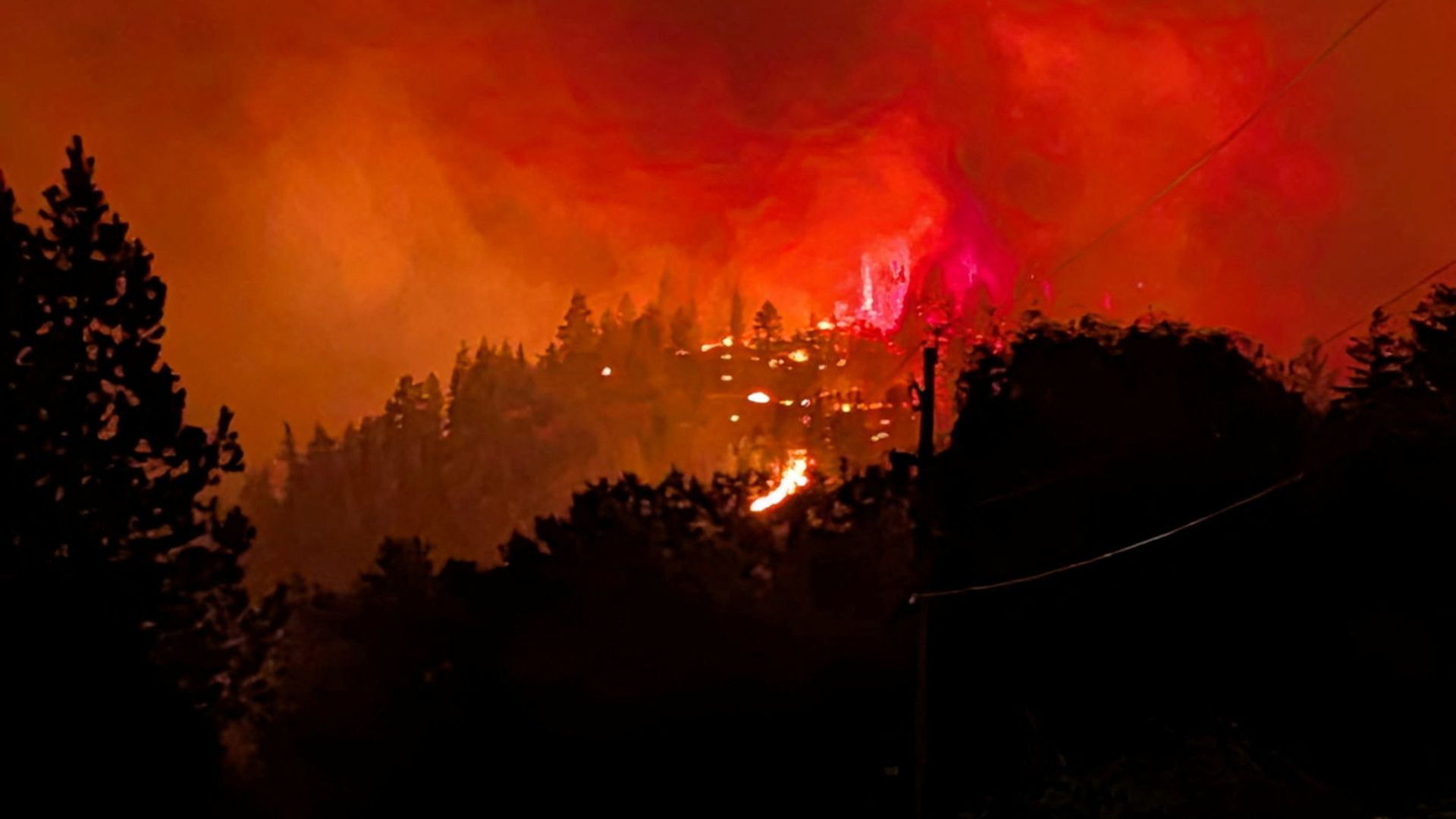
El Niño forecasted to peak in late 2023, impacting U.S. weather patterns.
This year's El Niño has over a 90% chance of becoming a "super" El Niño, which could peak in late 2023 or early 2024, significantly affecting U.S. weather patterns. Its potential to cause extreme wea…

National forecasters announced Thursday that this year’s El Niño has over a 90% chance of becoming a "super" El Niño, the most intense classification of this climate phenomenon, often associated with significant global weather impacts. The prediction comes as ocean temperatures in the central and eastern Pacific continue to rise, with conditions resembling those seen during the last super El Niño in 2015-2016.
El Niño is characterized by the warming of ocean waters in the Pacific, which can disrupt weather patterns across the globe. This year’s phenomenon is particularly concerning due to its potential to exacerbate extreme weather events, such as heavy rainfall, droughts, and heatwaves. The current El Niño is being fueled by unusually warm sea surface temperatures, which have been recorded significantly above average. Climate scientists monitor these changes closely as they can influence food security, water supply, and disaster preparedness efforts worldwide.
The forecast indicates that this super El Niño could peak in late 2023 or early 2024, with the United States expected to feel its effects primarily during the winter months. Historically, super El Niños have resulted in wetter conditions in the southern U.S. and drier, warmer conditions in the northern states. This could lead to an increase in flooding and landslides in the South, while the Midwest and Northeast may experience harsher winter conditions.
As the situation develops, agencies like the National Oceanic and Atmospheric Administration (NOAA) will continue to issue updates. The implications of a super El Niño extend beyond immediate weather patterns; they can affect global agricultural yields and contribute to climate-related economic disruptions. Understanding the potential impacts is crucial for preparedness and response strategies, as communities brace for the unpredictable nature of extreme weather events.
Read Full Story at The Hill →