Supreme Court backs Trump on TPS for Haitians, Syrians
The Supreme Court ruled 6-3 that the Trump administration can end Temporary Protected Status (TPS) for Haitian and Syrian immigrants, allowing potential deportations. The decision also bars asylum cla
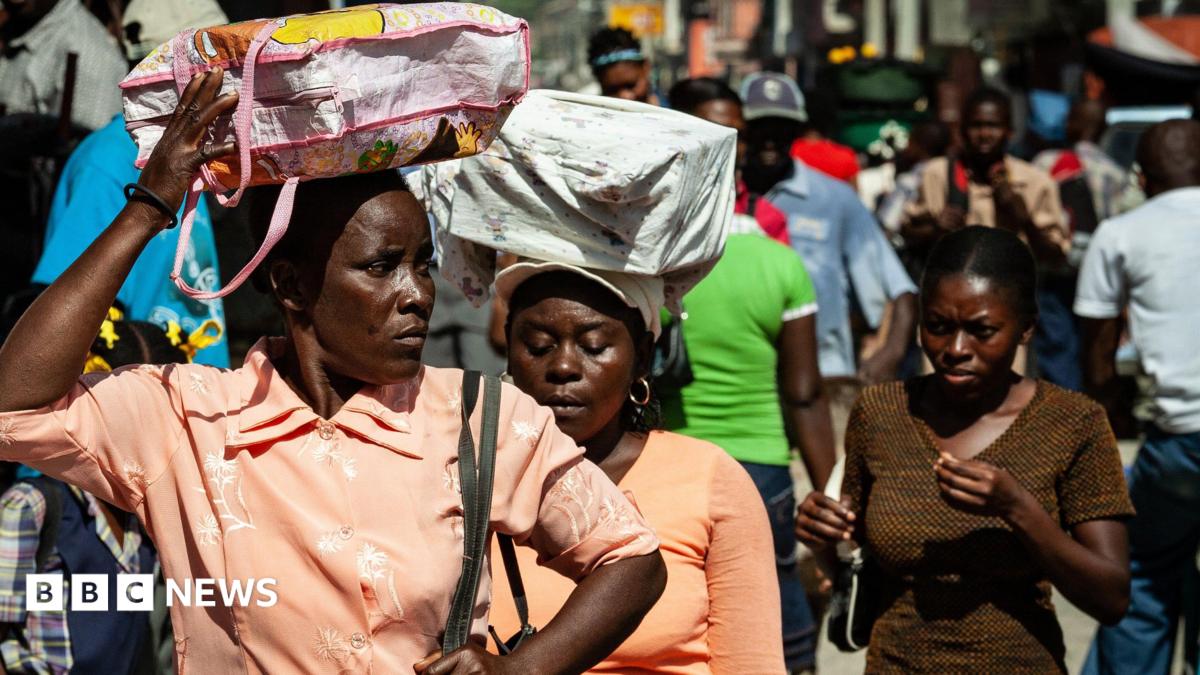
The U.S. Supreme Court ruled 6-3 on Thursday that the Trump administration can strip Temporary Protected Status (TPS) from hundreds of thousands of Ha
Read Full Story at BBC World News →Why This Matters
The Supreme Court’s decision marks a pivotal shift in immigration policy, reinforcing the executive branch’s power to unilaterally end humanitarian protections while setting a precedent for future TPS terminations. It underscores the legal vulnerability of long-resident immigrants who built lives under temporary safeguards, raising questions about the stability of protections even for those with deep ties to the U.S.
Background Context
Temporary Protected Status (TPS) was designed to shield nationals from countries destabilized by conflict or disaster, offering work permits and deportation relief. Haiti’s designation followed a devastating 2010 earthquake, while Syria’s was tied to civil war—both groups gaining TPS under bipartisan pressure, only to face renewed uncertainty as administrations changed. The legal battles over TPS have become a flashpoint in the broader immigration debate, with courts often split over whether humanitarian concerns outweigh administrative discretion.
What Happens Next
Haitian and Syrian TPS holders now face a stripped-down window to secure alternative legal status or risk deportation, while advocacy groups scramble to challenge removals through new litigation or legislative avenues. The ruling may embolden further TPS terminations for other nationalities, including those from El Salvador, Nepal, and Honduras, where hundreds of thousands reside. Homeland Security’s next moves—whether to delay enforcement or fast-track removals—will signal the depth of the administration’s commitment to this policy shift.
Bigger Picture
This decision aligns with a broader pattern of tightening immigration enforcement under recent administrations, where humanitarian protections are increasingly treated as temporary bargaining chips rather than enduring commitments. It also reflects a judiciary increasingly deferential to executive authority on immigration, even as immigrant communities and their allies push back through protests and policy advocacy. The long-term consequence may be a chilling effect, deterring future asylum seekers who fear protections could vanish before crises abate.








