Flock Safety implements new safeguards after police misuse concerns
Flock Safety will implement new safeguards for its surveillance technology, including stricter data access protocols and limited data retention, in response to police misuse concerns. This change aim…
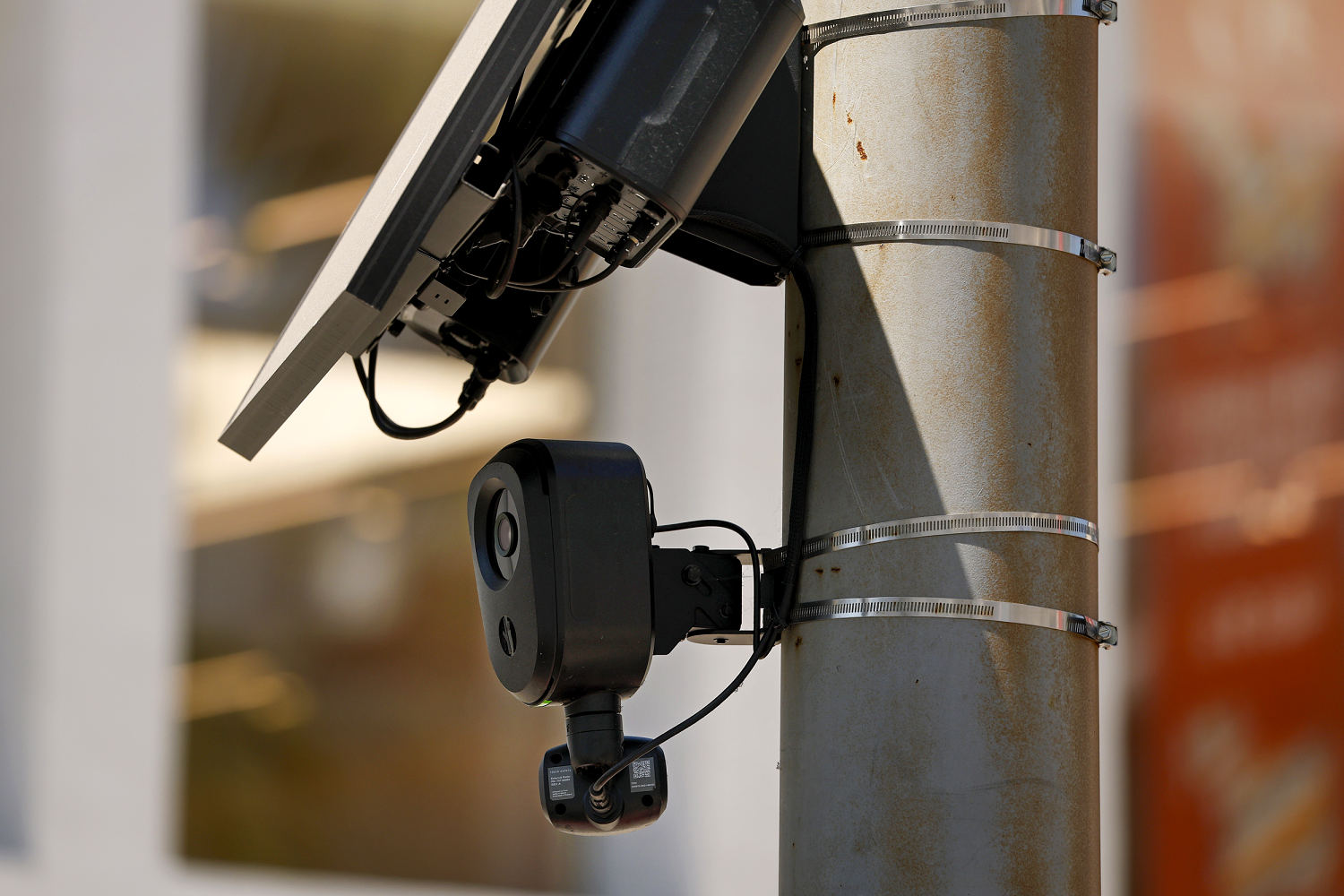
Flock Safety announced on Thursday that it will implement new safeguards to its surveillance technology following reports of police misuse. The company, which provides cameras that track vehicle movements across the United States, aims to increase accountability and transparency in response to growing concerns about privacy and civil liberties.
This move comes amidst heightened scrutiny of law enforcement practices, particularly regarding the use of surveillance technology. Recent incidents have raised alarms over how police departments have accessed and utilized data from Flock’s cameras. Critics argue that inadequate oversight can lead to abuses, including racial profiling and unwarranted tracking of individuals. The timing of these changes reflects broader societal demands for reform in policing, particularly in light of high-profile cases and protests advocating for civil rights.
Flock's new measures will include stricter data access protocols and enhanced user training for law enforcement agencies. The company plans to limit the duration that data is retained and ensure that access is granted only for specific investigations. These steps aim to rebuild public trust and reassure users that their privacy is being respected. Flock has also pledged to work more closely with advocacy groups to address concerns about the implications of surveillance technology.
Looking ahead, the effectiveness of these changes will be closely monitored by both the public and regulatory bodies. As surveillance technology becomes increasingly prevalent, the balance between safety and privacy will continue to be a contentious issue. Flock's actions may set a precedent for other companies in the industry, influencing how surveillance tools are developed and implemented in the future. The outcome could shape the ongoing conversation around digital rights and the role of technology in law enforcement.
Read Full Story at NBC News →