Sweden mulls prison for young teens as violent crime rises
Children aged 13 and 14 should still be in school. But in Sweden , young teenagers are being recruited by criminal networks to carry out attacks and contract killings — even shooting people in broad daylight. Under Swedish law, those under the age of 15 are not criminally liable
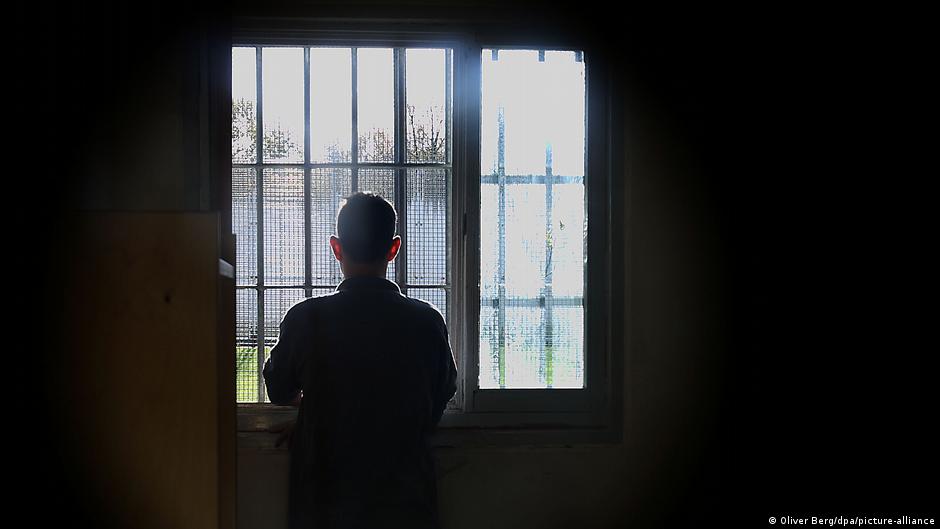
Children aged 13 and 14 should still be in school. But in Sweden , young teenagers are being recruited by criminal networks to carry out attacks and contract killings — even shooting people in broad daylight.
Under Swedish law, those under the age of 15 are not criminally liable, a fact that is being exploited by organized crime and gang members who often operate out of sight. Under current laws, children cannot be convicted as criminals, but instead fall under the jurisdiction of social services and youth welfare.
But in its battle against rising gang violence and organized crime, Sweden wants to toughen its legal tool set. Parliament has already approved a measure allowing 15- to 17-year-olds convicted of serious crimes to serve prison sentences in specially adapted juvenile units.
In addition, the government plans to lower the age of criminal responsibility to 13 on a trial basis for particularly serious offenses. This would apply to crimes such as murder, manslaughter, serious bombings or other offenses carrying very high minimum sentences.
Parliament will vote on this reform in mid-June, and the result will be reviewed again after five years.
To view this video please enable JavaScript, and consider upgrading to a web browser that supports HTML5 video
The debate over the age of criminal responsibility isn't limited to Sweden.
In 2010, Denmark lowered the age of criminal responsibility from 15 to 14 under a conservative government. Two years later, the reform was reversed. Research showed that the lower age threshold failed to have any deterrent effect. On the contrary, affected youths were more likely to re-offend and performed worse in school.






