Study finds stair climbing cuts heart disease risk by 39%
Taking the stairs regularly can reduce the risk of dying from cardiovascular disease by 39% and from any cause by 24%, according to a study of over 480,000 participants. This highlights the importanc…
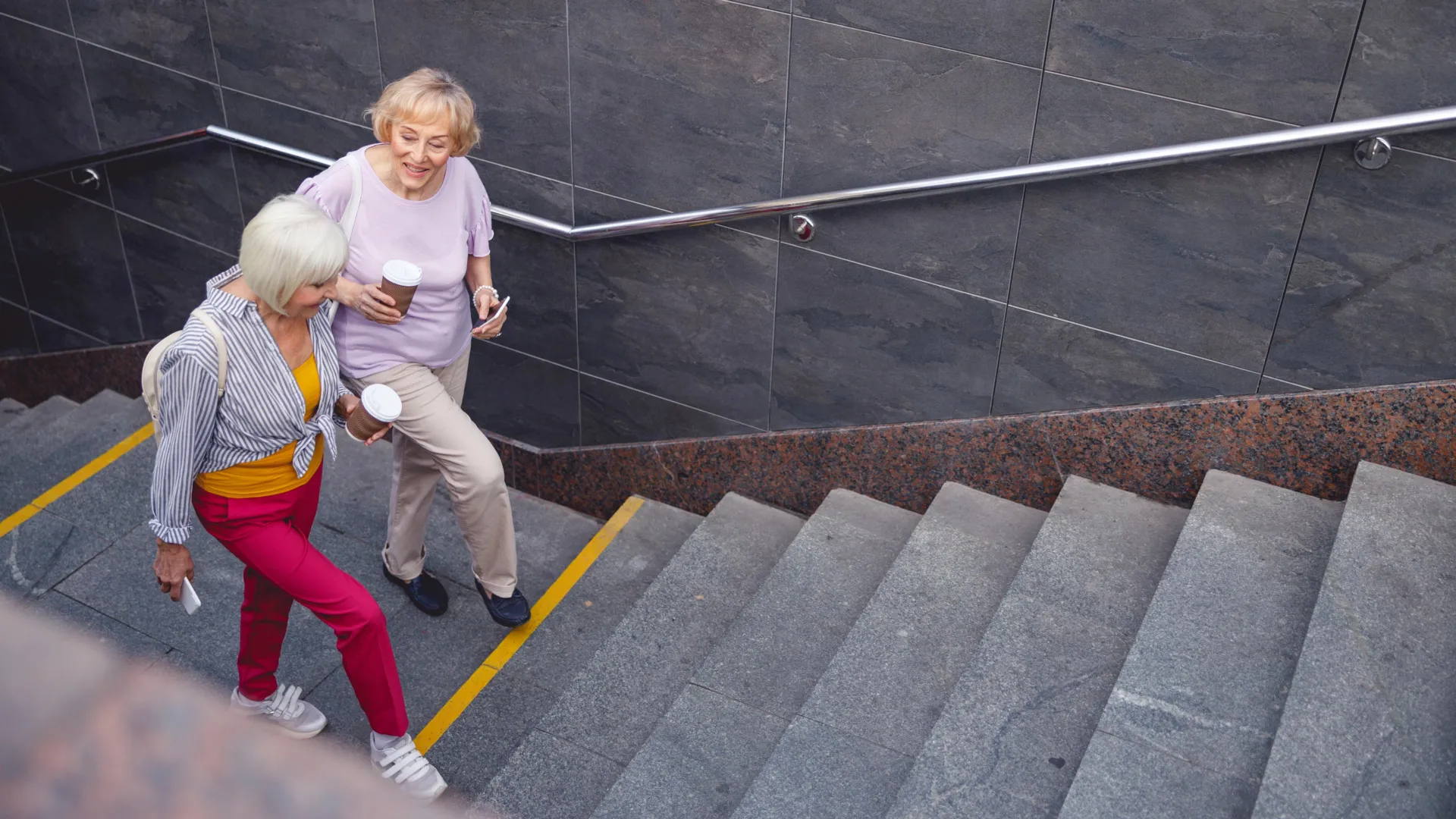
Regularly choosing to take the stairs can significantly benefit heart health and increase longevity, according to a recent analysis involving over 480,000 participants. The study revealed that those who frequently used stairs were 39% less likely to die from cardiovascular disease and 24% less likely to die from any cause compared to those who rarely climbed stairs. Additionally, stair climbers showed lower risks for heart attack, stroke, and heart failure.
This research comes at a time when public health officials are increasingly focused on the importance of small lifestyle changes to combat rising rates of heart disease and other chronic conditions. Sedentary behavior has been linked to various health issues, prompting experts to seek simple ways to encourage physical activity. As many people return to office environments post-pandemic, there is a renewed focus on promoting workplace wellness.
The study's findings highlight the powerful impact of incorporating more movement into daily routines. Stair climbing is a straightforward and accessible form of exercise that can easily fit into the day. The analysis suggests that even modest changes, like opting for stairs over elevators, could lead to significant health improvements. This is particularly relevant given that heart disease remains one of the leading causes of death globally.
Looking ahead, health advocates may use this research to promote stair climbing as a key component of heart health campaigns. Initiatives could include installing more visible staircases in public buildings and workplaces or creating community challenges to encourage stair use. Ultimately, fostering a culture that values physical activity, even in small increments, could have lasting benefits for public health and longevity.
Read Full Story at ScienceDaily →