Tether invests in Mercado Bitcoin as blockchain finance expands in Latin America
Mercado Bitcoin will use the funding to expand tokenized finance across Latin America, adding to Tether's growing portfolio of infrastructure investments.
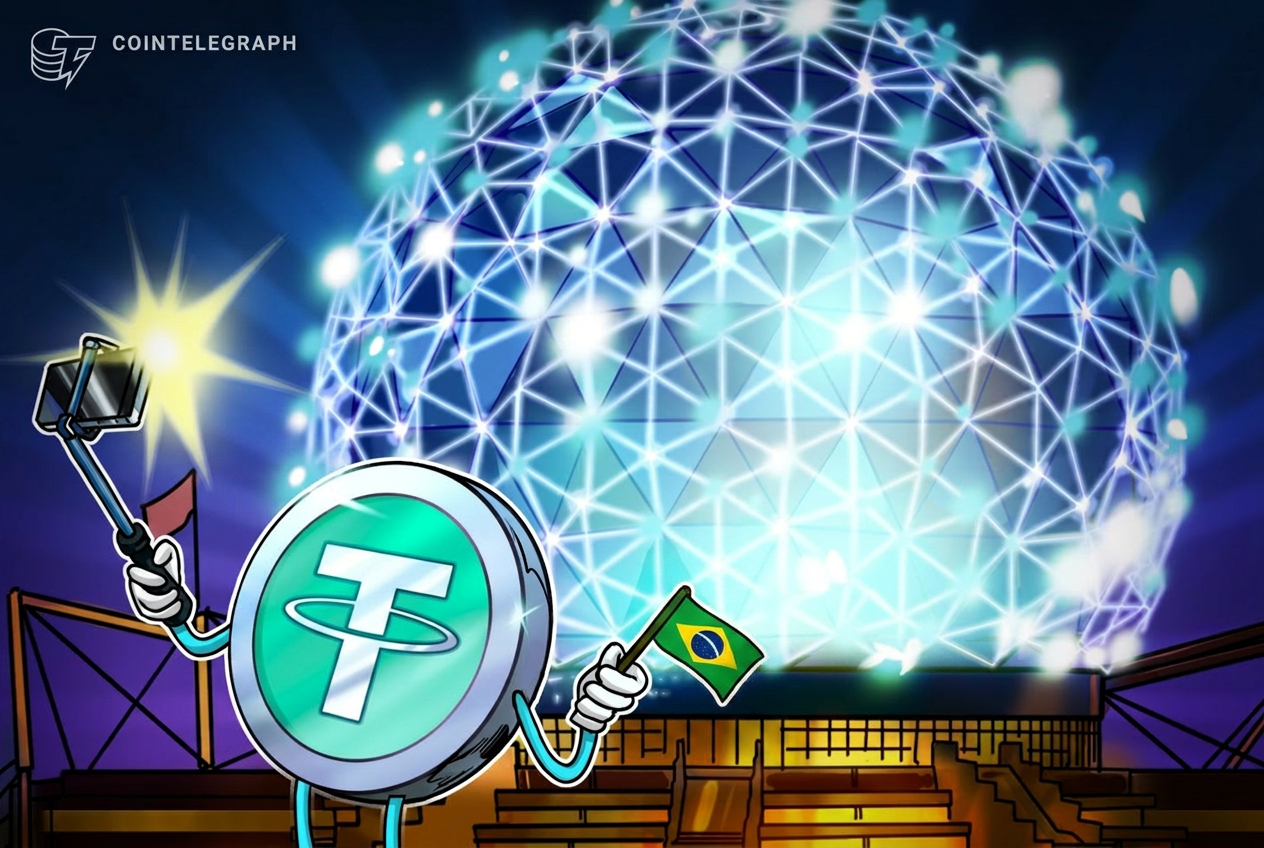
Mercado Bitcoin will use the funding to expand tokenized finance across Latin America, adding to Tether's growing portfolio of infrastructure investme
Read Full Story at CoinTelegraph →Why This Matters
Tether’s investment in Mercado Bitcoin underscores a pivotal moment in Latin America’s financial evolution, where traditional banking gaps and crypto adoption are converging. By backing a regional exchange with deep local expertise, Tether isn’t just expanding its portfolio—it’s embedding itself at the heart of a blockchain-driven financial infrastructure that could redefine cross-border transactions and asset tokenization across the continent.
Background Context
Latin America has long grappled with financial exclusion, where nearly 50% of adults lack access to formal banking services, according to the World Bank. Meanwhile, Brazil’s Mercado Bitcoin, founded in 2013, has emerged as a regional leader in digital asset trading, navigating a complex regulatory landscape shaped by both progressive fintech policies and lingering skepticism from legacy institutions.
What Happens Next
With Tether’s capital infusion, Mercado Bitcoin is poised to accelerate its tokenized finance offerings, potentially unlocking new use cases for stablecoins in trade, remittances, and real estate. Regulatory clarity—or lack thereof—will heavily influence how quickly these innovations scale, while competitors like Binance and Bitso may respond with their own infrastructure bets.
Bigger Picture
This deal reflects a broader trend where stablecoin issuers are increasingly prioritizing real-world asset integration over speculative trading, mirroring shifts seen in Europe and Southeast Asia. As Latin America’s middle class grows and remittances surge, blockchain-based finance could bridge divides between unbanked populations and global markets, though success hinges on overcoming infrastructure hurdles and regulatory fragmentation.