Thames Water should be nationalised, says Andy Burnham
Exclusive: Labour’s Makerfield byelection candidate advocates public ownership of water companies as he prepares for potential leadership bid Thames Water should be nationalised, Andy Burnham has said, revealing public ownership of water companies would “absolutely be an option”
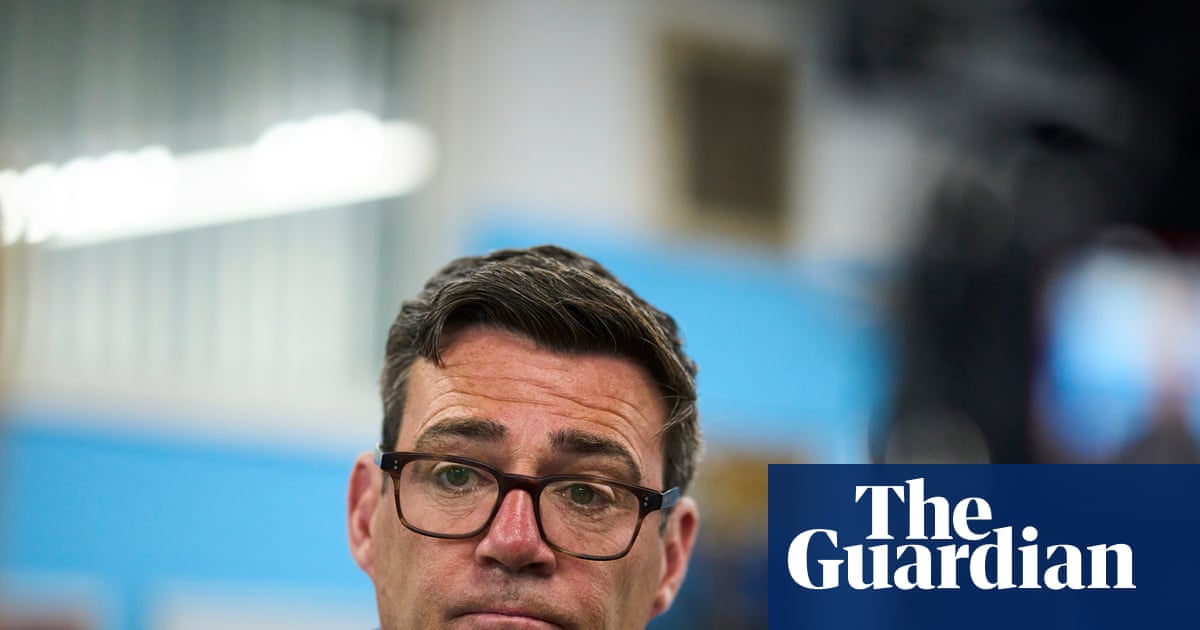
Exclusive: Labour’s Makerfield byelection candidate advocates public ownership of water companies as he prepares for potential leadership bid
Thames Water should be nationalised, Andy Burnham has said, revealing public ownership of water companies would “absolutely be an option” under his potential leadership of the Labour party.
Burnham, Labour’s candidate in the Makerfield byelection , has previously called for “greater public control” over the companies. In an interview with the Guardian, he has confirmed this could mean nationalisation.
“Public ownership is absolutely an option,” he said. “I would say for Thames Water , that is what should be done.”
The Manchester mayor has been sharpening up his offer to the country in preparation for a leadership election, should he win on the 18 June. The Guardian understands he has met water campaigners including the former Undertones frontman, Feargal Sharkey, who is an outspoken advocate for nationalisation of water.
Privatised water companies in England have presided over widespread pollution of the rivers and seas, while failing to invest in infrastructure that has contributed to recent water shortages. Many of the companies have been loaded with debt, while shareholders have been paid billions in dividends. In Scotland, water is nationalised, and in Wales the sole water company is not for profit.
Thames Water is England’s largest, serving about a quarter of the population. Since the company was privatised under Margaret Thatcher, the successive private equity firms that have owned it have drowned the company in about £20bn of debt, and it is now close to collapse.
The government is deciding whether to take it into special administration, a form of temporary nationalisation, or accept a deal offered by its creditors that would write off up to £1bn in fines for illegally polluting the environment. If the government signs off on the deal, the company would be part-controlled by the billionaire Trump donor and hedge funder Paul Singer.





