Lawsuit claims Trump violates First Amendment by selling Truth Social access
A lawsuit claims Donald Trump's sale of early access to his Truth Social posts violates the First Amendment by restricting equal access to public information. This challenge could impact Trump's soci…
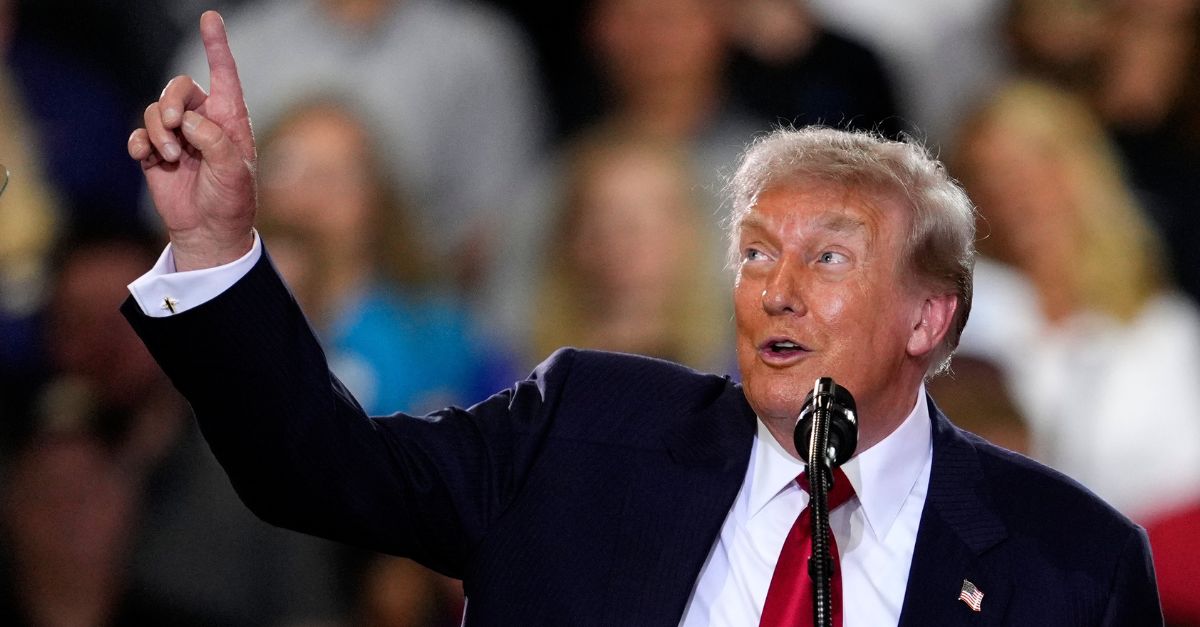
A new lawsuit claims that Donald Trump’s strategy of selling early access to his Truth Social posts violates the First Amendment. The suit was filed by a group of political activists and seeks to halt what they describe as a "profoundly corrupt" practice. It argues that the President’s public announcements should be equally accessible to all citizens, rather than offered for sale to a select few.
This legal challenge arises amid ongoing scrutiny of Trump’s business dealings and the ethical implications of his actions as a former president. Truth Social, launched in February 2022, was created as a platform for conservative voices and has gained traction among Trump supporters. However, the monetization of access to Trump’s posts raises questions about transparency and accountability, particularly regarding how market-sensitive information is disseminated. Critics fear that this could lead to manipulation of stock prices or other financial markets based on insider information.
The lawsuit cites the First Amendment, emphasizing that equal access to government communications is a fundamental principle of democracy. The plaintiffs assert that allowing paid access to Trump's posts undermines this principle and creates an unfair advantage for those who can afford to pay. They argue that such a scheme could effectively turn political discourse into a commodity, further entrenching economic disparities in political influence.
As the case unfolds, it could have significant implications for Trump's social media strategy and his broader political ambitions. If the court rules in favor of the plaintiffs, it may force a reevaluation of how public figures engage with platforms like Truth Social. Additionally, a decision against Trump could set a precedent that limits the ability of public officials to profit from their communications, reinforcing the notion that access to political information should be free and equitable for all.
Read Full Story at Law & Crime →



