Tokenized real-world assets hit $12 billion in 2024
Tokenized real-world assets hit $12 billion in 2024, with U.S. Treasuries, real estate, and commodities leading; settlement times drop from days to minutes and lower investment barriers. The market co
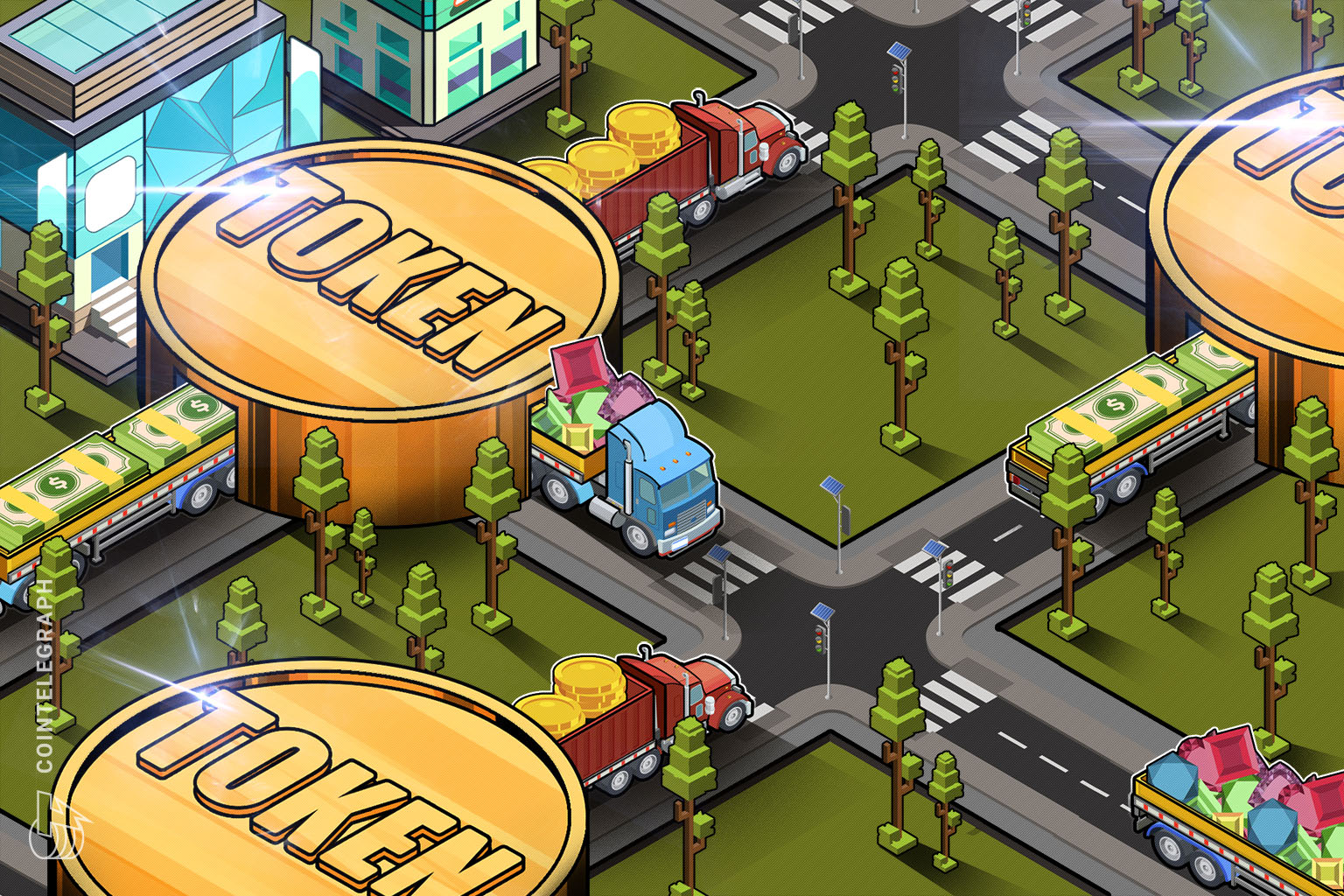
The fastest-growing categories of real-world assets being turned into digital tokens are U.S. Treasuries, real estate, public stocks, commodities and
Read Full Story at CoinTelegraph →Why This Matters
The tokenization of real-world assets is dismantling the structural inefficiencies that have long plagued traditional finance, offering a glimpse into a future where illiquid markets operate with the speed and accessibility of digital platforms. Beyond mere capital efficiency, this shift signals a redistribution of financial power, democratizing access to institutional-grade investments while forcing incumbents to confront the existential threat of blockchain-native alternatives.
Background Context
Tokenization has evolved from a niche experiment in 2017 to a mainstream narrative in 2024, driven by regulatory clarity in the U.S. and Europe, the maturation of smart contract infrastructures, and the relentless demand for yield in a post-zero-interest-rate world. The $12 billion milestone belies a deeper trend: the quiet dismantling of the 19th-century financial architecture that relied on intermediaries, paper trails, and settlement lags, now being replaced by programmable, verifiable, and borderless ledgers.
What Happens Next
Expect a regulatory domino effect, with jurisdictions racing to define frameworks that balance innovation with investor protection, while incumbents like BlackRock and JPMorgan either double down on blockchain integration or risk obsolescence. The next frontier may lie in the tokenization of intangible assets—patents, carbon credits, or even intellectual property—where fractionalization could unlock trillions in currently illiquid value. Watch for the first major institutional defaults in tokenized markets, which will test the resilience of this new paradigm.
Bigger Picture
Tokenization is more than a financial tool; it’s a quiet revolution in how society allocates capital, challenging the very notion of what constitutes an "asset." As adoption scales, the line between DeFi and traditional finance will blur, creating hybrid systems where blockchain rails handle settlement while legacy institutions retain customer relationships. The long-term winners won’t just be the first movers in tokenization, but those who can navigate the tension between decentralization and institutional control.