The best way to check your PC for malware
If you suspect foul play on your PC, these scans will help you confirm it. When you think of a computer infected by malware, you might envision flashing pop-ups all over the screen or other obvious …
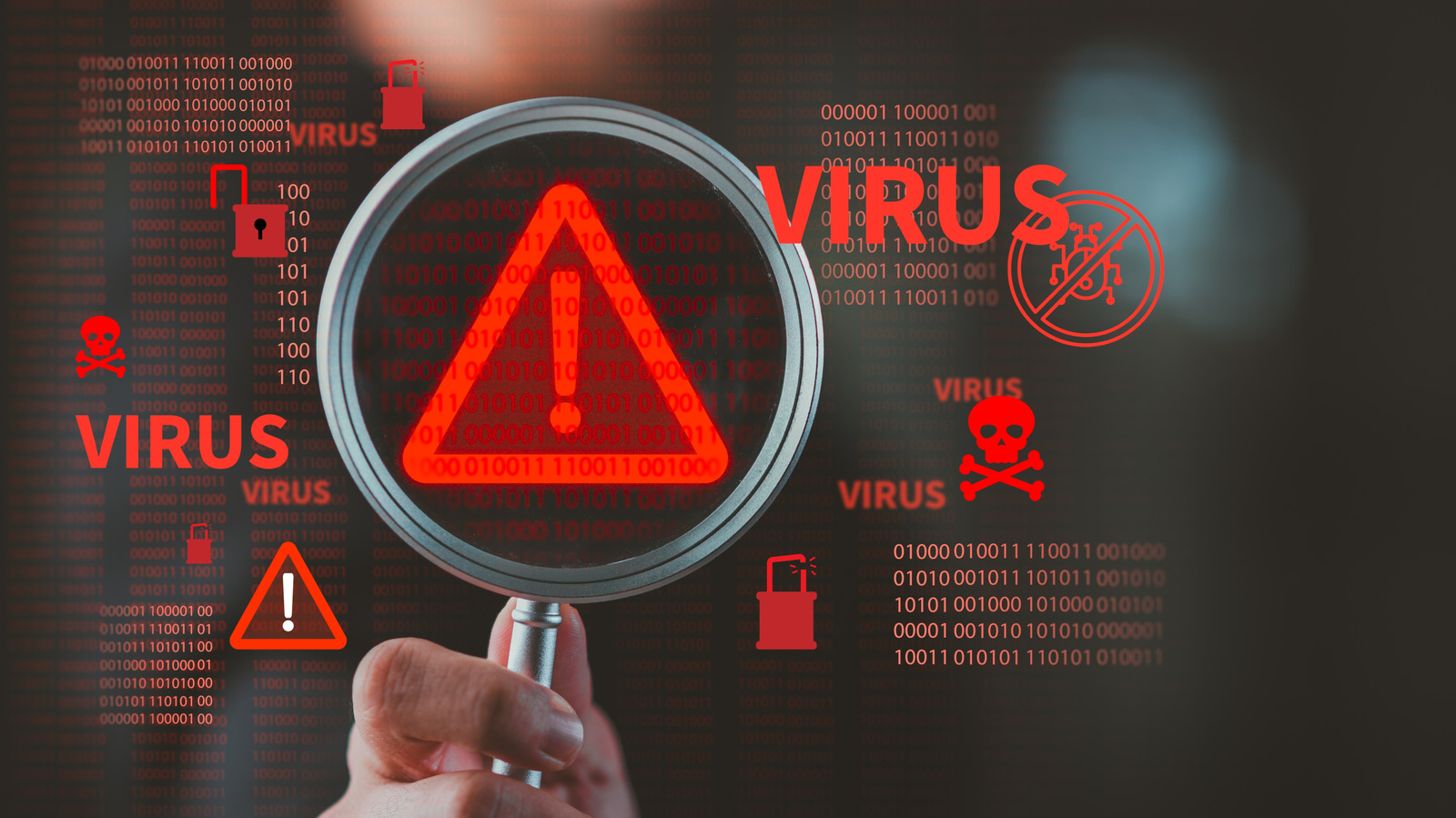
If you suspect foul play on your PC, these scans will help you confirm it.
When you think of a computer infected by malware, you might envision flashing pop-ups all over the screen or other obvious signs. And while these can happen today (like with ransomware), most modern computer attacks are more sinister and subtle. They want to avoid detection so they can capture your sensitive information and otherwise play the long game.
Still, you might suspect malware if your PC is suddenly running slowly, freezes more often than usual or you notice strange processes running. Whether you think your computer has a security issue or you just want to run a scan for peace of mind, it's not difficult to check your PC for malware. You can get several opinions from different tools, too.
Windows 11 has built-in protection through Microsoft Defender, an antivirus tool that's part of the Windows Security suite. Search for that app using the Start menu to check out everything it offers. Each icon will show a green checkmark if all is well; if there are concerns, you'll see yellow or red warning icons depending on their severity.
For our purposes, the Virus & threat protection section is most relevant. Microsoft Defender is turned on by default and scans regularly to check for threats, with details of the latest one shown at the top. Click Allowed threats to see which flagged items you've approved; if you see something here you don't recognize, this can give you a clue to issues on your system. Also check the Protection history tab, which logs when Windows Defender takes action.
Defender's quick scans only look "where threats are commonly found." To go deeper, choose Scan options followed by Full scan > Scan now . This can take some time depending on how many files you have on your system. The Microsoft Defender Antivirus (offline scan) option restarts your PC to put it into the Windows Recovery Environment, where a scan is more likely to find malicious threats that try to cloak themselves. Give it a try if something still feels off after a full scan.
Also inside Windows Security, select the Firewall & network protection entry and make sure the firewall is turned on for all three types of connections. While you can get much more granular with which apps are allowed through the firewall, the default options (blocking incoming connections you haven't given permission for) are good in most cases. Understanding how a VPN works can add another layer of protection to your connection if you're interested.
Windows' built-in security tools are a solid baseline for blocking incoming threats and finding any that do get through. But it's smart to have at least one other anti-malware scanner (not a second real-time antivirus) that can catch what Defender might miss. One of the best is Malwarebytes , which I've used for many years. Its free version offers an on-demand scanner, which you can run when you suspect something or every so often as part of your regular security checks.
Read Full Story at Engadget →