Researchers warn Cascadia, San Andreas faults may rupture simultaneously
Researchers have discovered that the Cascadia subduction zone and the northern San Andreas fault can rupture nearly simultaneously, potentially impacting major West Coast cities. This finding raises …
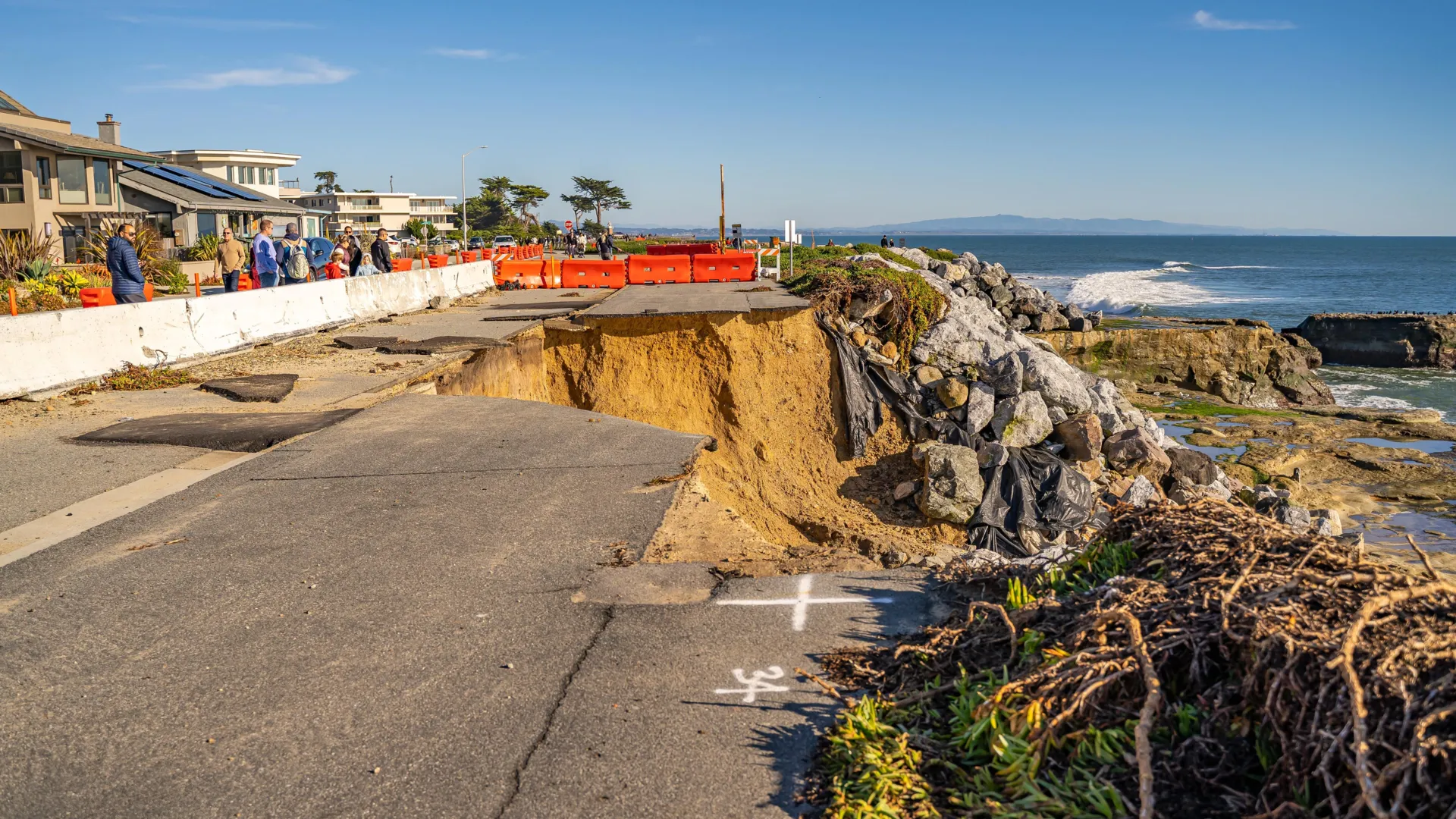
Researchers have found evidence that the Cascadia subduction zone and the northern San Andreas fault can rupture almost simultaneously, a discovery that could raise the stakes for West Coast cities. The study, published in *ScienceDaily*, examined 3,100 years of ocean sediment layers off the Pacific coast and identified patterns suggesting that earthquakes on these two fault systems have occurred just minutes or hours apart, including the massive 1700 Cascadia event. If this synchrony were to repeat, major urban centers such as Seattle, Portland, San Francisco and Los Angeles could face emergency responses at nearly the same time.
The Cascadia subduction zone lies beneath the Pacific Ocean north of Washington and Oregon, while the San Andreas fault runs along California’s coast. Both are among the world’s most dangerous seismic zones, capable of producing magnitude‑9 earthquakes. In recent decades, scientists have debated whether the two faults operate independently or influence one another. The new sediment analysis offers concrete clues that the faults can interact, with stress changes in one system potentially triggering motion in the other. This challenges the long‑held assumption that the faults act in isolation.
The sediment cores revealed thin layers of ash and clay that match known dates of historic earthquakes. By dating the layers and measuring their thickness, the researchers inferred that the Cascadia and San Andreas ruptures were separated by only a few hours in the past. The 1700 Cascadia quake, which released more energy than any recorded in modern times, appears to have been followed by a San Andreas slip within a narrow window. The findings also show that the two faults have a pattern of alternating activity, sometimes one fault slipping and then the other quickly following. This pattern raises the possibility that future earthquakes could occur in rapid succession, amplifying damage and complicating rescue efforts.
Emergency planners and policymakers are taking note. Coordinated drills that simulate back‑to‑back earthquakes could help cities prepare for cascading disasters. Scientists are calling for more detailed monitoring of fault interactions and for updated building codes that account for the possibility of multiple, closely spaced tremors. As the Pacific Northwest and California brace for the next big quake, understanding whether the faults can strike together will be crucial for saving lives and reducing economic loss.
Read Full Story at ScienceDaily →