The biggest problem with solid-state batteries may finally be solved
Researchers solved the mystery of how soft lithium dendrites crack the hard ceramic inside solid-state batteries, triggering short circuits. The breakthrough could help engineers build safer, longer-l
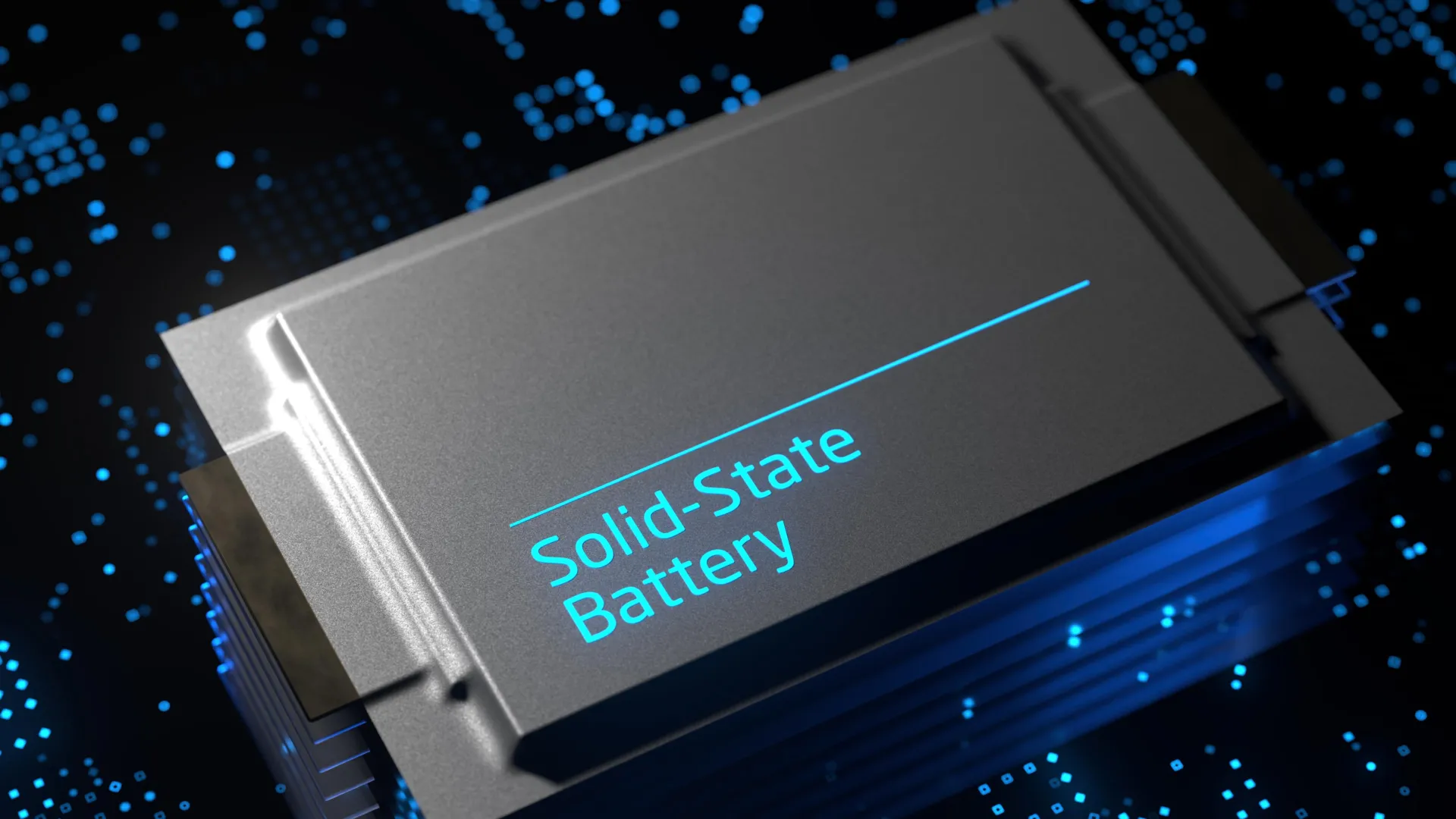
Researchers solved the mystery of how soft lithium dendrites crack the hard ceramic inside solid-state batteries, triggering short circuits. The break
Read Full Story at ScienceDaily →Why This Matters
The discovery of lithium dendrite failure in solid-state batteries could unlock a fundamental shift in energy storage, potentially resolving one of the most persistent barriers to mass-market adoption of EVs and grid-scale storage. Unlike traditional lithium-ion systems, which rely on liquid electrolytes prone to thermal runaway, solid-state designs promise safer operation—if their mechanical vulnerabilities can be engineered out. Resolving this issue may finally allow solid-state batteries to fulfill their promise of higher energy density without sacrificing stability.
Background Context
Solid-state batteries have been a holy grail in energy research since the 1980s, yet their development stalled repeatedly due to the brittleness of ceramic electrolytes and the unpredictable growth of lithium filaments. Early optimism in the 2010s—fueled by venture capital and corporate bets from Toyota to QuantumScape—faded as material science failed to overcome dendrite-induced short circuits. Meanwhile, lithium-ion batteries improved incrementally, delaying the urgency for a radical alternative.
What Happens Next
With the mechanical failure mechanism now mapped, engineers are likely to fast-track material reinforcements—such as gradient coatings or composite electrolytes—that resist crack propagation. Regulatory bodies may also update safety standards for solid-state cells, accelerating certification for automotive and aerospace applications. However, scaling these solutions from lab prototypes to high-volume manufacturing will test supply chains for advanced ceramics and high-purity lithium.
Bigger Picture
This breakthrough aligns with a broader pivot toward resilient energy infrastructure, where material science intersects with climate policy and geopolitical supply chains. As nations prioritize domestic battery production, the ability to domesticate solid-state manufacturing could redefine energy independence. The race to solve dendrite failure now mirrors the early competition over lithium-ion chemistry—except this time, the stakes are even higher.