The birth of modern life was fueled by poop, new theory proposes
Did poop fuel paleontology’s vaunted Cambrian explosion? The Cambrian explosion is a critical moment for life on Earth—and it may have been all about poop By Meghan Bartels edited by Claire Cameron…
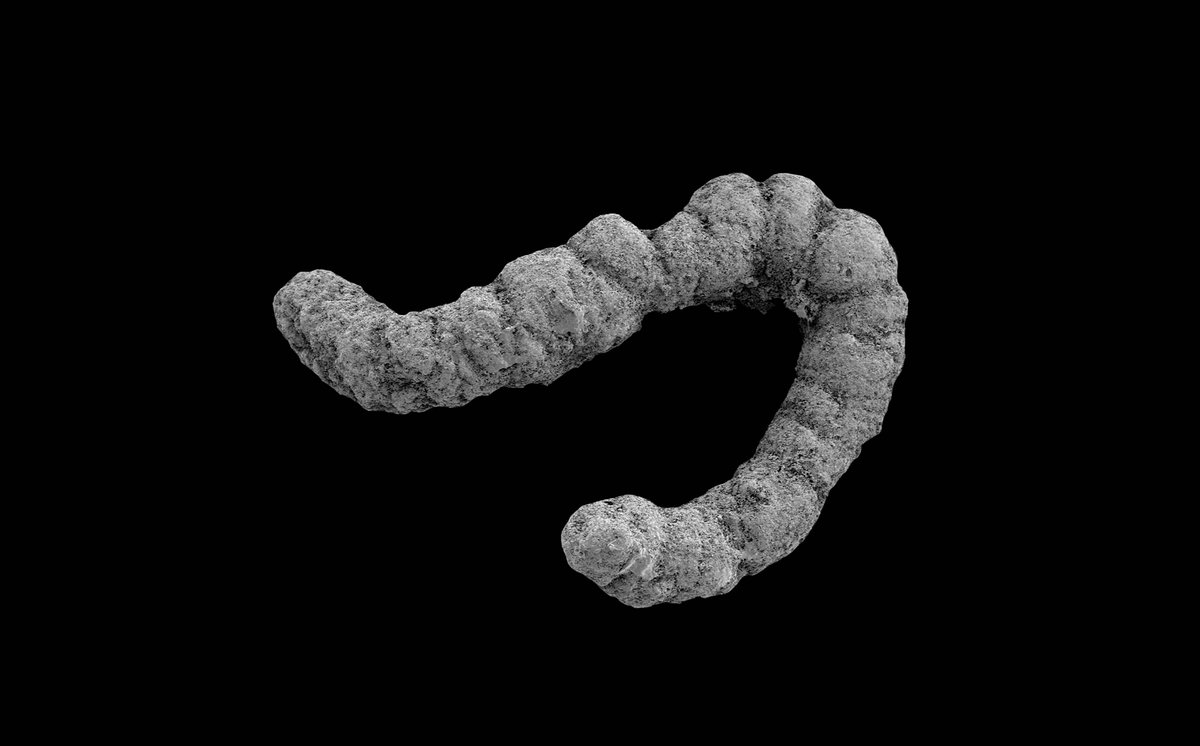
The Cambrian explosion is a critical moment for life on Earth—and it may have been all about poop
Some 540 million years ago, life on Earth suddenly got interesting. For 20 million years or so, evolution went into overdrive. Called the Cambrian explosion , scientists have no idea why it happened.
“We see the first evidence of basically every major animal group all pop into existence,” says Karma Nanglu, a paleontologist at the University of California, Riverside. “We start getting things like eyes, claws, teeth and complex jaw apparatuses. We have antennae, we’ve got fins, we’ve got tails.”
What drove all that activity? Some theories posit that it was caused by a spike in ocean oxygen levels, a threshold of climate stability or an evolutionary race of sorts as animals competed with one another for resources. And now, there’s a new, less glamorous hypothesis to add to the mix: poop .
If you're enjoying this article, consider supporting our award-winning journalism by subscribing . By purchasing a subscription you are helping to ensure the future of impactful stories about the discoveries and ideas shaping our world today.
That’s the premise of a paper published earlier this month in Trends in Ecology & Evolution . The research began as an effort to categorize known examples of fossilized poop, or coprolites, from both before and during the Cambrian explosion.
This is harder than you might think: Fossil poop is generally not what paleontologists are looking for on a dig. As a result, many coprolites are either forgotten about or consigned to archives, while others just get left behind at the dig site, says Julien Kimmig, a paleontologist at the State Natural History Museum Karlsruhe in Germany and one of the paper’s two co-authors.
As they worked, the researchers quickly realized that coprolites became larger, more structured and more common at around the same time that early animals started moving deeper into the ocean, diversifying as they went. The correlation reminded the scientists about how modern deep-sea life relies on falling poop to bring vital nutrients down from richer ecosystems above. That led them to propose that an increasing deluge of poop may have helped spur the Cambrian explosion—by sending nutrients to the deep.
Read Full Story at Scientific American →