Mamdani briefs on Manhattan high-rise with buckling beams
Mayor Mamdani confirmed a Manhattan high-rise remains unstable after buckling beams were found, forcing evacuations. This incident highlights the urgent safety risks posed by New York City’s aging inf
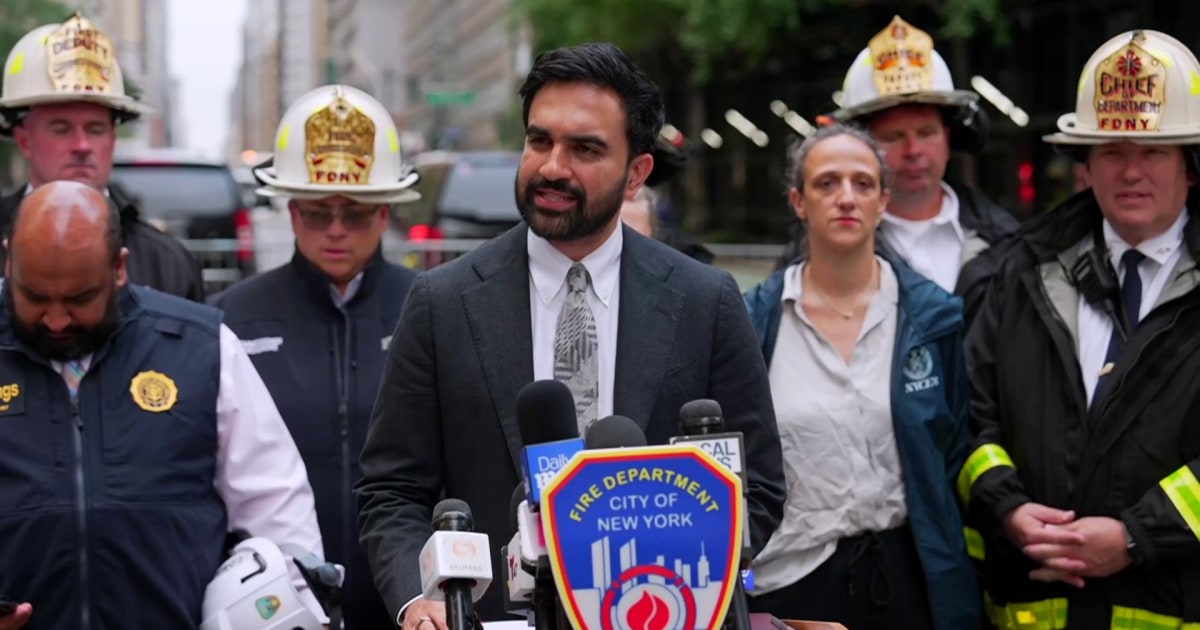
New York City Mayor Zohran Mamdani has confirmed that a 37-story residential tower in Manhattan remains structurally unstable after engineers discover
Read Full Story at NBC News →Why This Matters
The discovery of buckling beams in a Manhattan high-rise underscores a silent crisis in urban infrastructure: the accelerating decay of New York City’s building stock, much of which was constructed in the post-war era under laxer safety standards. Beyond immediate safety concerns, this incident forces a reckoning with how cities balance rapid development, deferred maintenance, and the financial strain on property owners—especially in a market where aging Class B and C buildings dominate the skyline.
Background Context
New York’s real estate boom in the mid-20th century prioritized quantity over durability, with many structures designed for 50-year lifespans rather than the 75–100 years now expected. Meanwhile, the city’s Local Law 11, enacted in 1998 after the deadly 1998 collapse of a facade in Greenwich Village, mandates periodic facade inspections—but critics argue enforcement has been inconsistent, particularly in privately owned buildings where owners may deprioritize costly repairs in a high-interest-rate environment.
What Happens Next
Expect a surge in emergency inspections citywide as the Buildings Department scrambles to audit similar structures, particularly those built between the 1960s and 1990s. Tenants and insurers will likely face renewed scrutiny over liability clauses, while property owners may push for tax abatements or public subsidies to offset repair costs. The episode could also accelerate legislative efforts to tighten preemptive safety measures, though history suggests such reforms often stall amid industry lobbying.
Bigger Picture
This is part of a national trend where older urban cores grapple with the legacy of mid-century construction techniques, from brittle steel frames to insufficient corrosion protection. As climate change intensifies stress on aging infrastructure—through heat waves warping steel and increased flooding corroding foundations—cities will need to confront whether their regulatory frameworks are equipped for a new era of durability demands or if they’re perpetually playing catch-up.