EPA proposes regulations to phase out leaded aviation fuel by 2025
Leaded aviation fuel, a long-standing standard for general aviation, is under scrutiny due to health and environmental concerns, prompting potential regulations from the EPA. The aviation industry is…
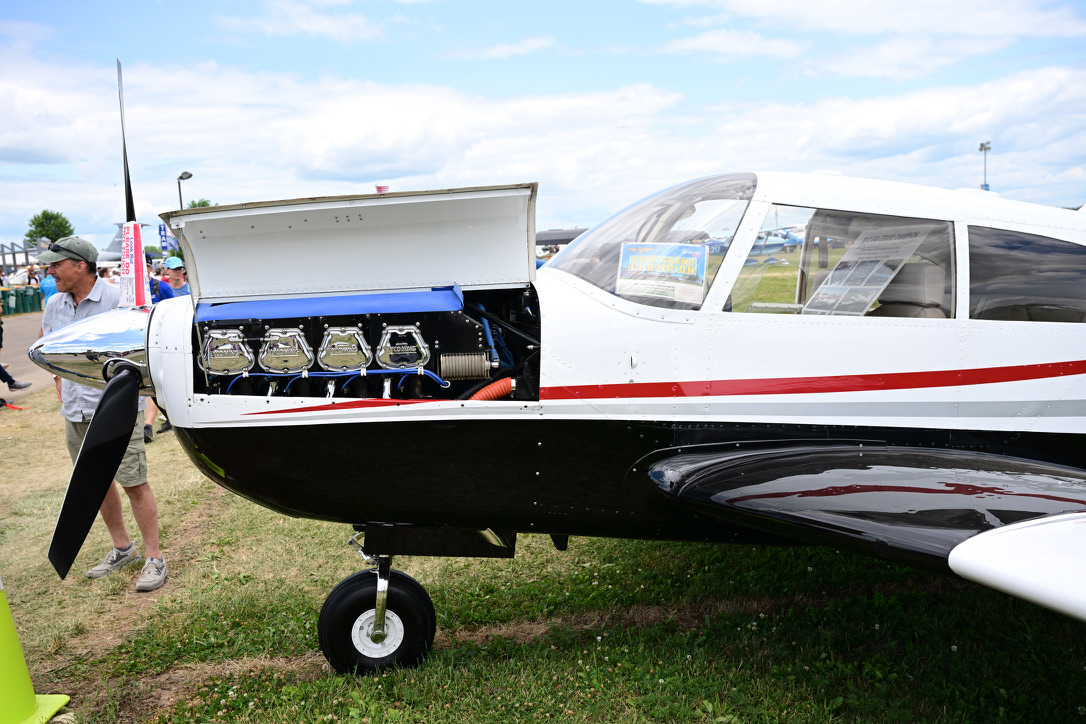
More than 10,000 general aviation aircraft gathered in Oshkosh, Wisconsin, last week for the Experimental Aircraft Association’s AirVenture, where many owners expressed concerns about the future of leaded aviation fuel. The fuel, which has powered small planes for decades, is facing increased scrutiny due to its environmental impact and health risks associated with lead exposure.
Leaded aviation fuel, known as 100LL, has been the standard for general aviation since the 1940s. However, mounting evidence links lead exposure to neurological damage, particularly in children. As environmental regulations tighten and public awareness of lead's dangers grows, pressure is mounting on the aviation industry to transition to safer alternatives. The U.S. Environmental Protection Agency (EPA) is currently evaluating the impact of leaded fuel and has hinted at potential regulations that could phase it out entirely.
At AirVenture, discussions about the need for change were prevalent, with stakeholders emphasizing the importance of finding viable alternatives. The aviation community has been exploring unleaded fuel options, but challenges remain in terms of performance and compatibility with existing aircraft engines. Various companies and organizations are working on developing unleaded fuels that meet the rigorous demands of aviation while ensuring safety and reliability.
The future of leaded aviation fuel is uncertain, but the clock is ticking. If the EPA moves forward with regulations, the industry will have to adapt quickly. Transitioning to unleaded options is not just a matter of compliance; it’s also crucial for public health and environmental sustainability. The outcome of these discussions could reshape the aviation landscape, impacting everything from aircraft manufacturing to safety standards in the skies.
Read Full Story at Inside Climate News →