Scientists discover dodo bird's hidden senses through skull scans
CT scans of three intact dodo skulls revealed enlarged olfactory bulbs and sensitive beak nerves, indicating strong smell and touch abilities. This challenges the dodo's reputation as a slow, unintel…
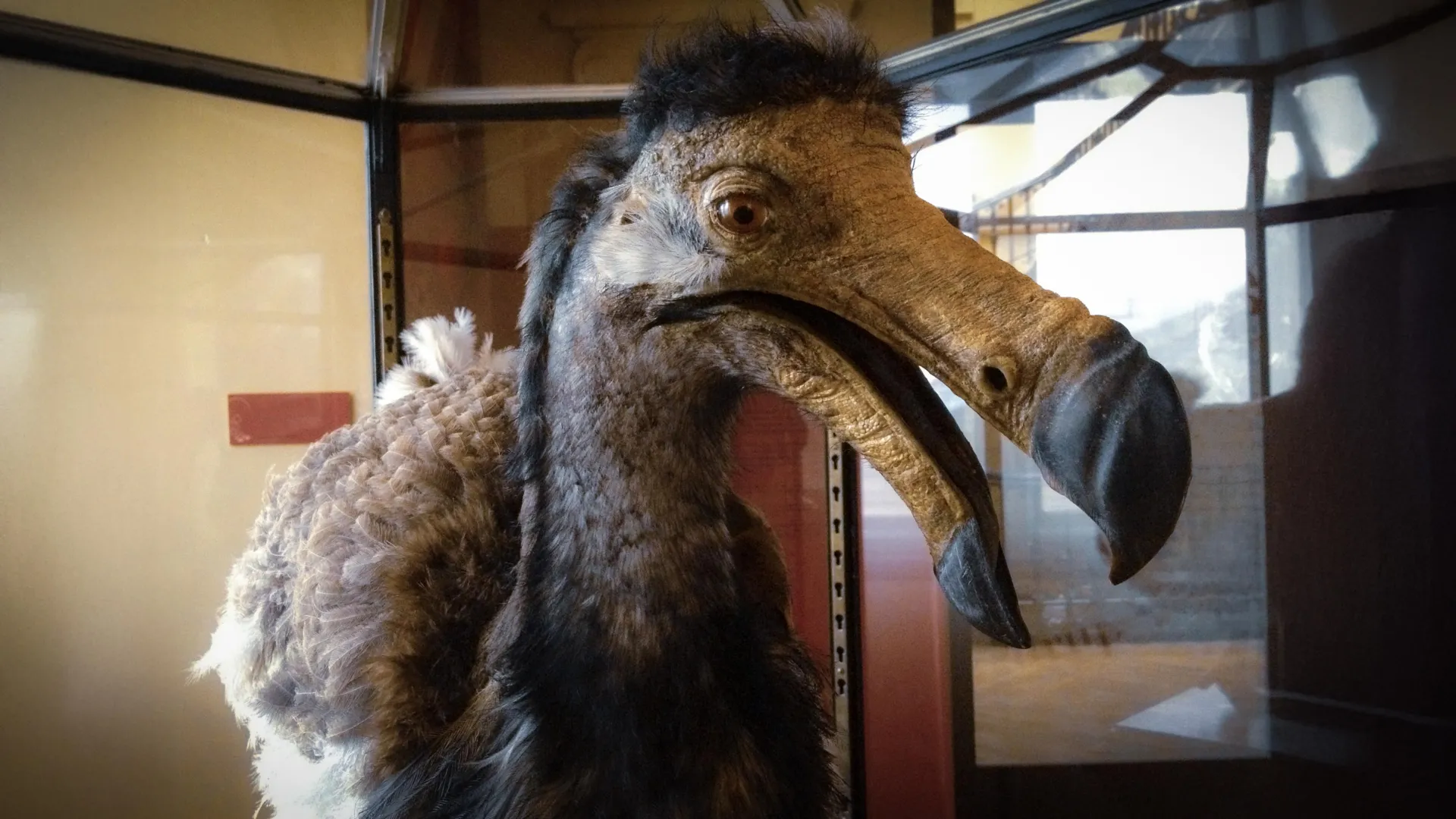
Scientists have found that the dodo, long dismissed as a clumsy, dim-witted bird, may have had a far richer sensory life than anyone realised. CT scans of the world’s only intact dodo skulls, housed in museums, show enlarged olfactory bulbs—brain regions linked to smell—and nerve canals in the beak that suggest a sensitive, probing touch. The findings, published in Scientific Reports, challenge the idea that the bird was slow or stupid, instead painting it as an animal adapted to a niche ecological role on Mauritius.
The dodo’s reputation as a dullard stems from 17th-century sailors’ accounts and a lack of scientific study after its extinction in the late 1600s. Until now, most research focused on its flightlessness and diet of fallen fruit, leaving its behaviour and senses poorly understood. The new work builds on earlier studies of dodo bone density and brain casts, which hinted at more nuanced abilities. By digitally dissecting three rare skulls—two from Oxford and one from the Natural History Museum in London—researchers uncovered details that were invisible to the naked eye.
The scans revealed that the dodo’s olfactory bulbs were relatively large for a bird, indicating a stronger sense of smell than previously thought. Its beak also contained expanded nerve canals, suggesting it used tactile cues to probe the ground for food, much like modern ground-foraging birds. These traits point to a lifestyle that included foraging at dawn and dusk, when Mauritius’ forests were cooler and safer from predators. The bird may have been more active and alert than the sluggish, solitary creature of old stories.
The discovery matters because it reshapes how we view extinct species and their intelligence. The dodo is often used as a symbol of human-caused extinction, but this research shows that even “simple” animals can have complex lives. Next, scientists plan to compare the dodo’s sensory adaptations with those of its closest relatives, like the Nicobar pigeon, to see how its island environment shaped its behaviour. The work also highlights the value of museum collections, where fragile specimens can still yield groundbreaking insights decades—or centuries—after they were collected.
Read Full Story at ScienceDaily →