Xavante leaders urge UN to protect sacred lands from railway project
Brazilian Indigenous leaders, particularly from the Xavante community, are urging the UN to address the impact of the Ferrovia de Integração do Centro-Oeste railway project on their sacred lands, whi…
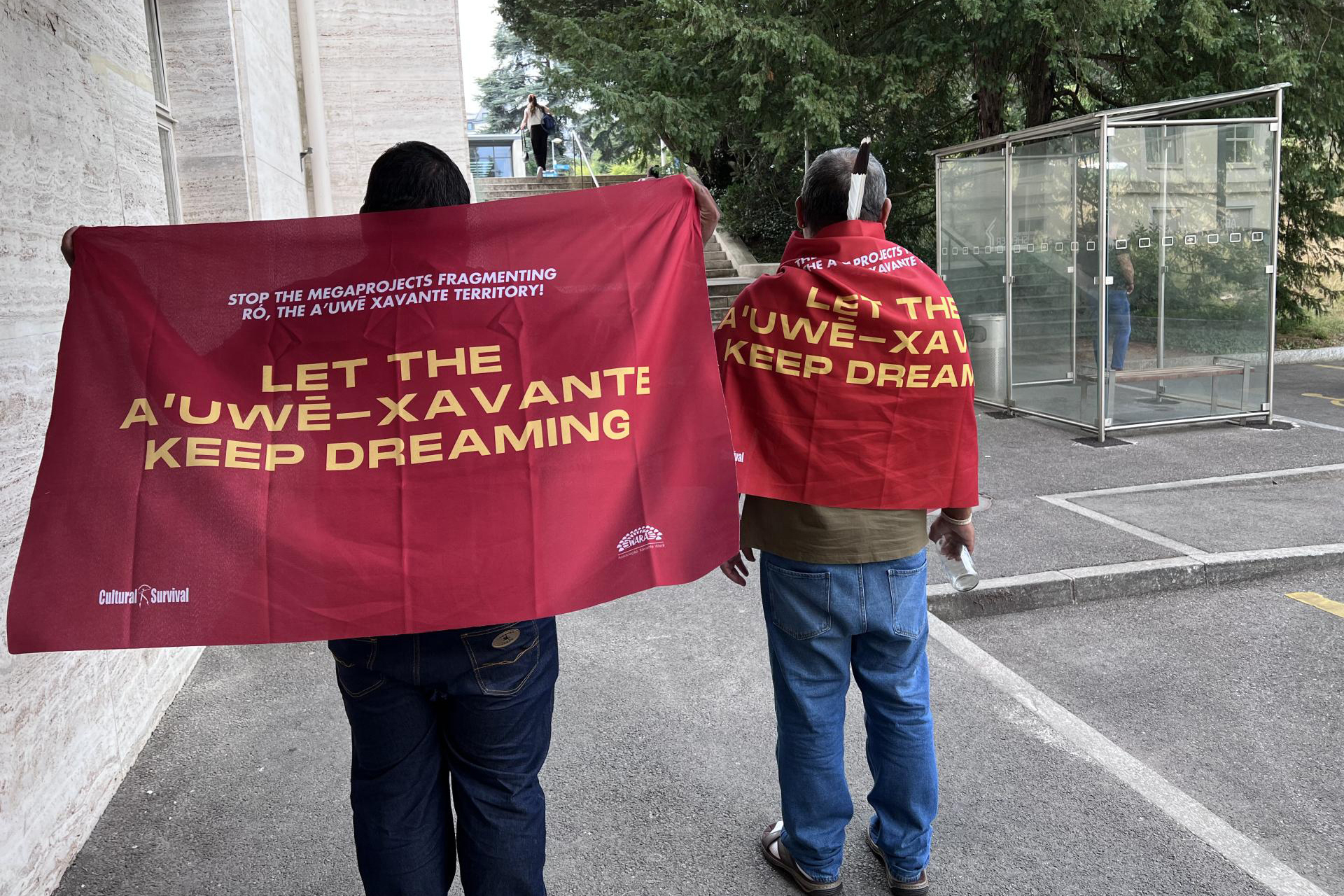
Brazilian Indigenous leaders are calling on the United Nations to address the impact of a railway project on their sacred lands. The Xavante people have raised concerns about the Ferrovia de Integração do Centro-Oeste, which threatens their ancestral sites along the Owawê River. They argue that this project exemplifies a new form of colonial violence as it encroaches on their cultural heritage and traditional practices.
The urgency of their plea stems from a growing trend of infrastructure projects in Brazil that prioritize economic development over Indigenous rights. The railway, intended to facilitate agricultural exports from the central-western region, has been met with resistance from various Indigenous groups. These communities emphasize that their lands are not just territories; they are integral to their identity, spirituality, and survival. This situation is not isolated; it reflects broader global tensions between development and Indigenous sovereignty.
Recent reports indicate that the Brazilian government has accelerated approvals for such projects, often sidelining Indigenous voices. The Xavante leaders argue that this approach perpetuates historical injustices and threatens their way of life. They have called for legal protections and respect for their rights as defined by international agreements, such as the UN Declaration on the Rights of Indigenous Peoples. Their appeal to the UN highlights the need for global awareness and accountability in the face of environmental and cultural exploitation.
Moving forward, the Xavante people and other Indigenous leaders are determined to advocate for their rights at international forums. They seek to mobilize support from civil society and environmental organizations to halt the railway project and any similar initiatives. Their struggle underscores the importance of recognizing Indigenous rights in the context of the energy transition, ensuring that it does not replicate the colonial practices of the past. The outcome of this situation could set a precedent for how Indigenous rights are treated in development projects worldwide.
Read Full Story at Inside Climate News →