David and Barbara Green use Hobby Lobby wealth to influence U.S. policy
The book "The Gospel According to Hobby Lobby" examines how David and Barbara Green, the billionaire founders of Hobby Lobby, use their wealth to influence U.S. legislation and public policy based on…
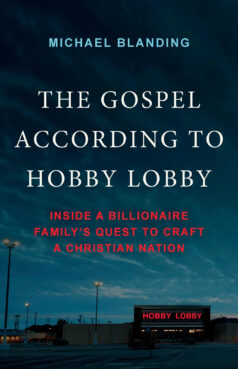
A new book titled "The Gospel According to Hobby Lobby" explores the intersection of wealth, faith, and politics, shedding light on how the Hobby Lobby founders have transformed their evangelical beliefs into a powerful political force. Written by a team of researchers, the book details how David and Barbara Green, the billionaire owners of the arts and crafts retail chain, have leveraged their fortune to influence legislation and public policy in the United States.
The book arrives at a critical moment when debates over religious freedom and corporate rights are intensifying. In recent years, the Supreme Court has ruled in favor of Hobby Lobby in landmark cases, allowing the company to refuse to provide certain contraceptive coverage in employee health plans based on religious objections. This has sparked widespread discussions about the implications of merging corporate power with religious beliefs, raising concerns about the potential erosion of individual rights in the name of faith.
The authors argue that the Green family's substantial wealth has enabled them to dominate the narrative around religious freedom, often sidelining dissenting voices. They have funded various religious initiatives and organizations that align with their views, reinforcing a perception that their interpretation of Christianity is representative of American values. This raises questions about how money can amplify certain beliefs while marginalizing others, potentially skewing the public discourse on faith and ethics.
Looking ahead, the implications of this trend are significant. As wealthy individuals and corporations continue to wield influence over political and social issues, the lines between religion and commerce may blur further. The book calls for a reevaluation of the role of wealth in shaping public policy and urges a broader conversation about the moral responsibilities of those with financial power. The ongoing discourse around Hobby Lobby serves as a cautionary tale about the dangers of faith backed by vast wealth.
Read Full Story at Religion News Service →