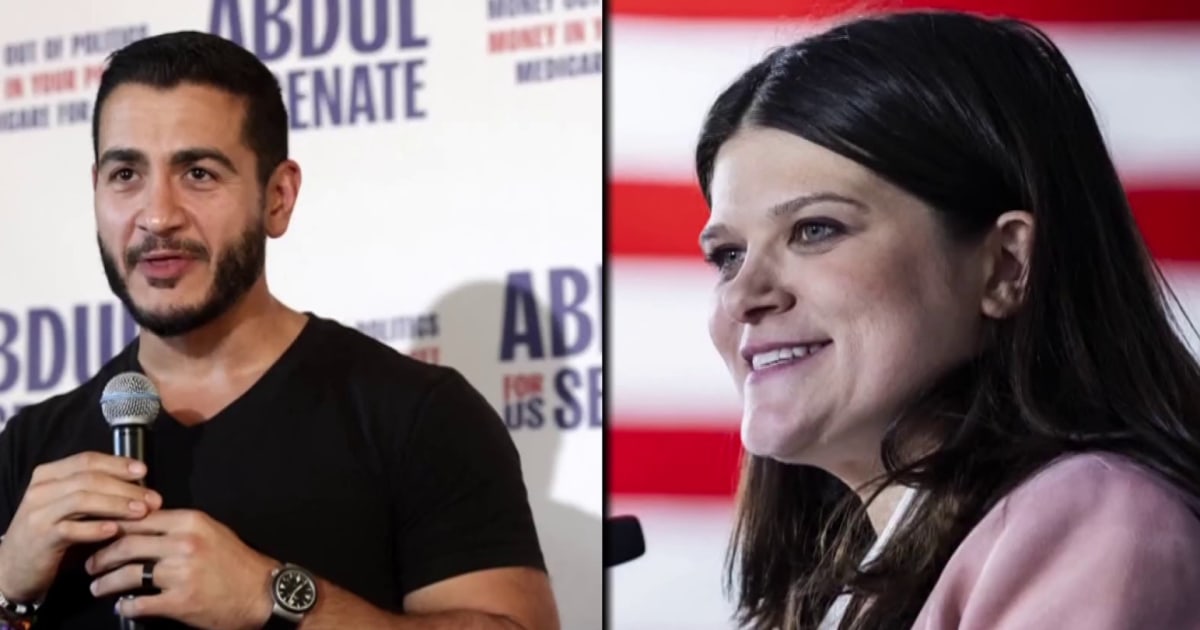
2026 midterm elections elect historic class of diverse U.S. senators
The 2026 midterm elections have resulted in a historic class of U.S. senators, including the first Paralympian, the first Muslim senator, and the first Native American woman senator. Their diverse ba…
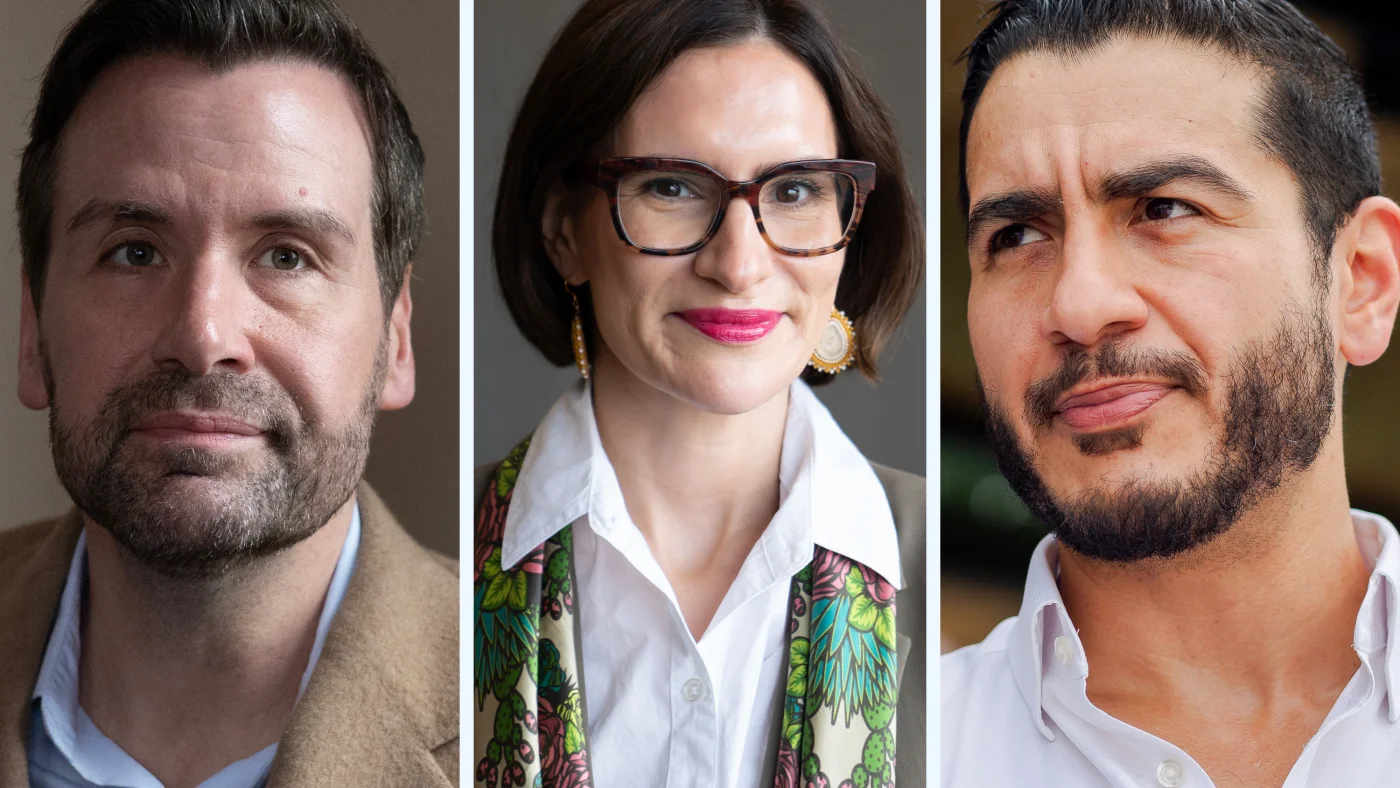
The 2026 midterm elections have ushered in a groundbreaking class of U.S. senators, with several historic firsts set to take office in January. Among the new faces are Josh Turek, Peggy Flanagan, Dr. Abdul El-Sayed, and Julia Letlow, all of whom made history during the elections held on November 3.
This election year marked a significant shift in Congress, as Democrats not only flipped more than 40 House seats but also gained seven Senate seats, solidifying their control over both chambers. The results reflect a broader trend in American politics, where voters are increasingly supporting candidates who represent diverse backgrounds and experiences. The incoming senators exemplify this change, each bringing unique perspectives to the legislative body.
Josh Turek will become the first Paralympian to serve in the Senate, having won multiple gold medals in wheelchair basketball. He defeated Republican Ashley Hinson in Iowa. Julia Letlow, who previously made history as Louisiana’s first Republican woman in the U.S. House, will now be the state's first Republican woman in the Senate after defeating incumbent Bill Cassidy. Dr. Abdul El-Sayed, the son of Egyptian immigrants, will be the first Muslim senator, having won his Michigan race against Republican Mike Rogers. Meanwhile, Peggy Flanagan, the Democratic lieutenant governor of Minnesota and a member of the White Earth Band of Ojibwe, will make her mark as the first Native American woman elected to the Senate.
The impact of these elections extends beyond individual milestones. As these senators take their seats, they will influence key legislative issues, bringing new voices to discussions on healthcare, civil rights, and social justice. Their presence in the Senate reflects a growing commitment to diversity and inclusion in American politics, shaping the future of governance in the United States.
Read Full Story at NPR News →