Apple faces 38% iPhone 18 Pro parts cost rise
iPhone 18 Pro parts costs rise 38%, driven by memory chip shortages. This may push the retail price to $1,200, impacting consumer value and Apple’s profit margins.
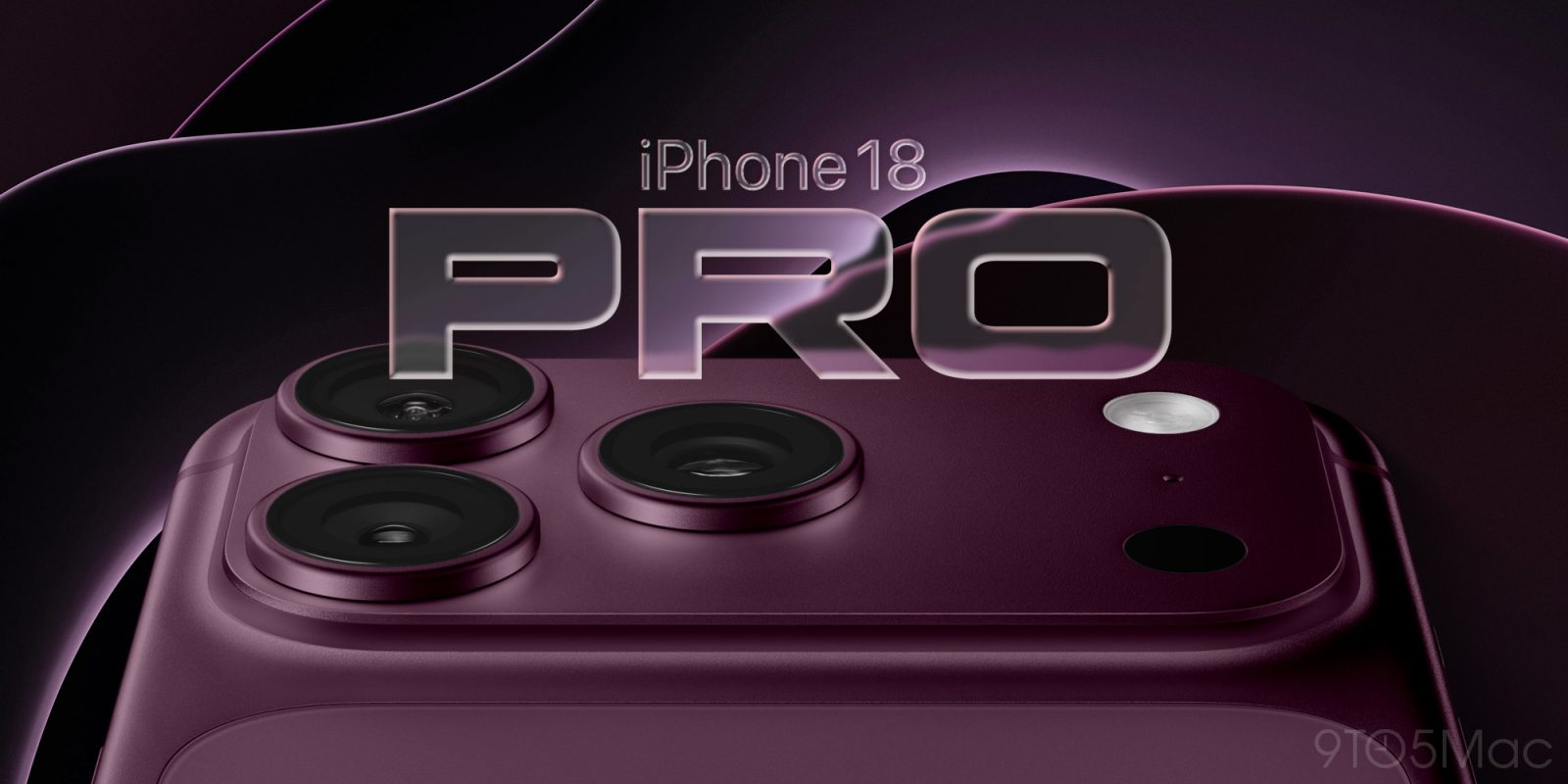
Apple is expected to pay 38 % more for parts used in the upcoming iPhone 18 Pro than it did for the iPhone 17 Pro, according to a new TrendForce analysis. The biggest jump is in memory, where the cost is roughly three times higher than last year. The overall bill for the device’s components is projected to rise by about 20 % from the previous model, a figure that will shape the phone’s final retail price.
The surge in component costs reflects a broader tightening in the global supply chain. Memory chips, which power everything from the phone’s camera to its operating system, have seen prices climb as manufacturers cut production to meet demand for laptops, gaming consoles and automotive electronics. Add to that the lingering effects of the COVID‑19 pandemic, which disrupted shipping lanes and labor availability, and the cost pressure on Apple’s suppliers is understandable. For a company that has historically kept its margins tight, a 38 % jump in the most expensive part of the build is a significant hit.
Analysts say the price of the iPhone 18 Pro may rise, but not as dramatically as some rumors suggest. Apple typically balances higher costs by nudging the price up only a few percent, keeping the device competitive against rivals like Samsung’s Galaxy S24 and Google’s Pixel 8. The company’s pricing strategy has been to maintain a premium image while still offering a range of models to capture different market segments. If the iPhone 18 Pro’s launch price climbs to around $1,200, it would be roughly $150 above last year’s Pro model, a modest increase that could still be justified by new camera sensors, a faster processor and improved battery life.
The next few weeks will see Apple finalising its launch dates and pricing announcements, while investors will scrutinise the company’s earnings report for signs of how the cost hike is being absorbed. Consumers will monitor whether the price rise is matched by tangible upgrades, and whether the company will introduce lower‑priced variants to offset the higher cost of the Pro line. For now, the industry watches the trend of rising component prices, which could ripple through the broader smartphone market as manufacturers adjust their own cost structures.
Read Full Story at 9to5Mac →