Scientists find asteroids could supply resources for Mars colonization
Metal-rich asteroids could provide essential building materials and rocket fuel for establishing a human colony on Mars, making colonization more feasible. Accessible with current spacecraft technolo…
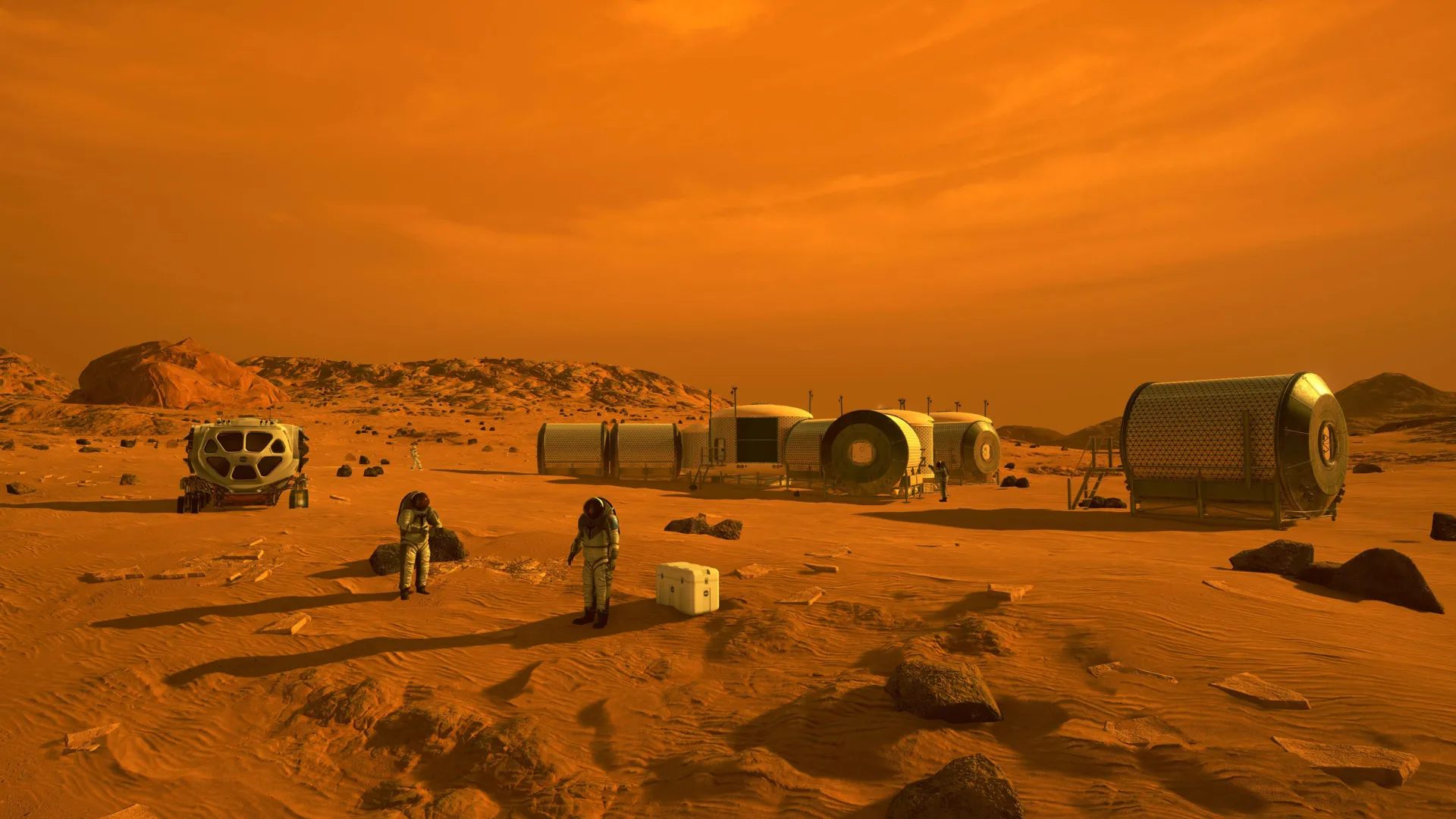
Metal-rich asteroids could play a crucial role in establishing a human colony on Mars, according to a recent analysis. Researchers suggest that these asteroids might serve as a source of building materials and rocket fuel, enhancing the feasibility of long-term habitation on the Red Planet. The study indicates that some of these asteroids can be reached using existing spacecraft technology, making them more accessible than previously thought.
The interest in utilizing asteroids for Mars colonization stems from the growing ambition to establish a human presence beyond Earth. NASA and private companies, like SpaceX, have set sights on Mars as a long-term goal, but transporting everything needed for a colony from Earth is costly and logistically challenging. This analysis highlights a potential solution by sourcing materials locally, which could drastically cut down on the resources needed to support a Martian settlement.
The analysis emphasizes that certain asteroids are rich in metals like nickel, iron, and cobalt, which are essential for construction and manufacturing. Additionally, some asteroids contain compounds that can be processed into rocket fuel, allowing spacecraft to refuel for return journeys or further exploration. This could create a sustainable cycle of resource utilization, where materials are harvested in space, used for building, and transformed into fuel, all while reducing dependency on Earth.
Looking ahead, this research could pivot space exploration strategies. If missions can successfully identify and target the right asteroids, future Mars expeditions might include mining operations as part of their agenda. This shift toward in-situ resource utilization is not just a technical breakthrough; it represents a paradigm shift in how humanity approaches space colonization. The implications are profound, potentially paving the way for a sustainable human presence on Mars and beyond.
Read Full Story at ScienceDaily →