The Laetoli Footprints—the oldest hominin footprints ever found—are at risk of destruction
The oldest hominin footprints ever found are at risk of destruction, researchers warn A new investigation alleges that official organizations in Tanzania have imperiled the country's artifacts and remains at four critical human heritage sites they were supposed to protect By Cl
The oldest hominin footprints ever found are at risk of destruction, researchers warn
A new investigation alleges that official organizations in Tanzania have imperiled the country's artifacts and remains at four critical human heritage sites they were supposed to protect
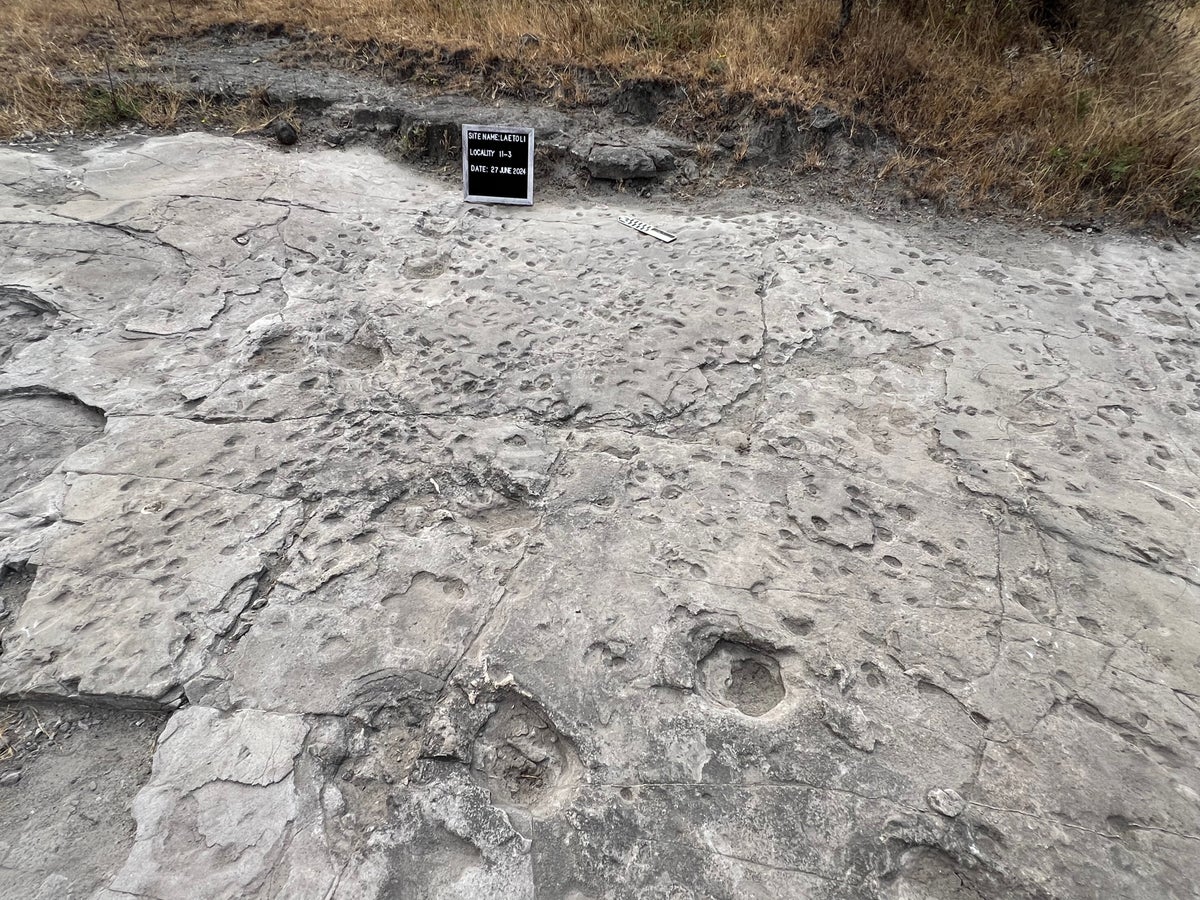
The oldest-known hominin footprints are in danger of being destroyed by state-backed tourism and other economic activity, a new investigation claims . The Laetoli site contains 3.66-million-year-old fossil footprints made by Australopithecus afarensis, the same species as the early human ancestor known as “Lucy.”
Laetoli is one of several archaeological sites that are under threat in Tanzania, according to the new report, which was published today in the journal Antiquity . The paper’s co-authors Elgidius Ichumbaki and Peter Schmidt argue that Tanzanian state groups charged with safeguarding Laetoli and three other sites that are critical to human history have dismissed the concerns of conservationists and local communities in the interests of tourism.
The Tanzanian Ministry of Natural Resources and Tourism, which has overall responsibility for the nation’s heritage sites, did not respond to a request for comment.
If you're enjoying this article, consider supporting our award-winning journalism by subscribing . By purchasing a subscription you are helping to ensure the future of impactful stories about the discoveries and ideas shaping our world today.
The three other sites are ruins at Kilwa Kisiwani, an island and UNESCO World Heritage Site; rock art at Kondoa, also an UNESCO World Heritage Site in the Dodoma region of Tanzania; and the Kaiija shrine and early Iron Age metal works in Katuruka, west of Lake Victoria.
Ichumbaki, a former student of Schmidt’s and now an associate professor at the University of Dar es Salaam in Tanzania, points to a 2008 shift in government priorities to try to monetize these heritage sites by bringing in more tourists. The infrastructure and buildings needed to support that tourism were constructed without impact assessments required by Tanzania and, in the case of the World Heritage Sites, international policy, according to the study. Heavy machinery and laborers who were untrained in preservation best practices damaged the sites in the construction process, the authors say. At the same time, the Tanzanian government gave organizations without special training in the preservation of heritage sites more oversight of these places, the authors wrote.







