The Polygamist's creator says women see themselves reflected in her Netflix hit
When Sue Nyathi sent her debut novel The Polygamist to publishers, "they thought there was no market for the book" about a married Zimbabwean man and the women he seduces, she says. So the Zimbabwea…
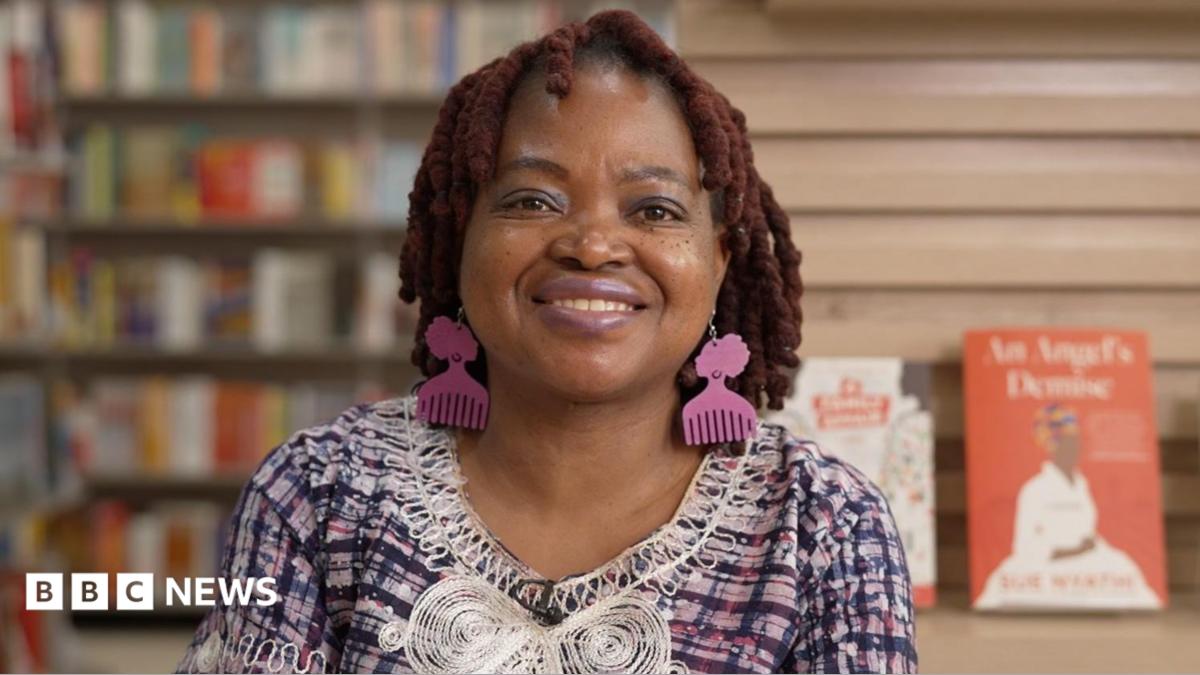
When Sue Nyathi sent her debut novel The Polygamist to publishers, "they thought there was no market for the book" about a married Zimbabwean man and the women he seduces, she says.
So the Zimbabwean author found her own editor, typesetter and artist, and in 2012 published 500 copies herself. It defied the publishers' predictions and became a huge hit.
It has now been adapted for Netflix and is in the top 10 of the platform's most streamed series in more than 60 countries, reaching number two in the United States. Hollywood actress Taraji P Henson said the series had her in a "chokehold" and she binge-watched all 22 episodes in a single day.
It is not, Nyathi is careful to point out, a straightforward story about polygamy. The traditional practice of polygamy is not foreign to her. Her mother's side the family was polygamous for generations.
Her grandfather, who died in 1979, had five wives, her great-grandfather had 11. Her grandmother, the first woman his grandfather married, presided as matriarch over a farm where the wives lived together, and often helped choose the newcomers herself.
"There was no infighting, because everyone knew their place," Nyathi says. When she asked her grandmother how she made sense of it, the answer was practical - more hands to do the work, physical labour and emotional labour alike. It was open.
Polygamy is legally recognised in Zimbabwe and South Africa if conducted under specific established customs. But what Nyathi began to notice as a young working woman in Harare in 2001 was something else entirely.
Men who were purportedly monogamous were effectively living polygamous lives with secret women and secret households. That is the polygamy of her novel, what she calls "the modernised, or perverted, version" of the practice, relying on deception instead of consent
Read Full Story at BBC World News →