NASA's Roman Space Telescope to deliver sharper images, double mission duration
NASA's Nancy Grace Roman Space Telescope will provide images 30% sharper than expected and operate for up to ten years, doubling its initial mission duration. These improvements will enhance astronom…
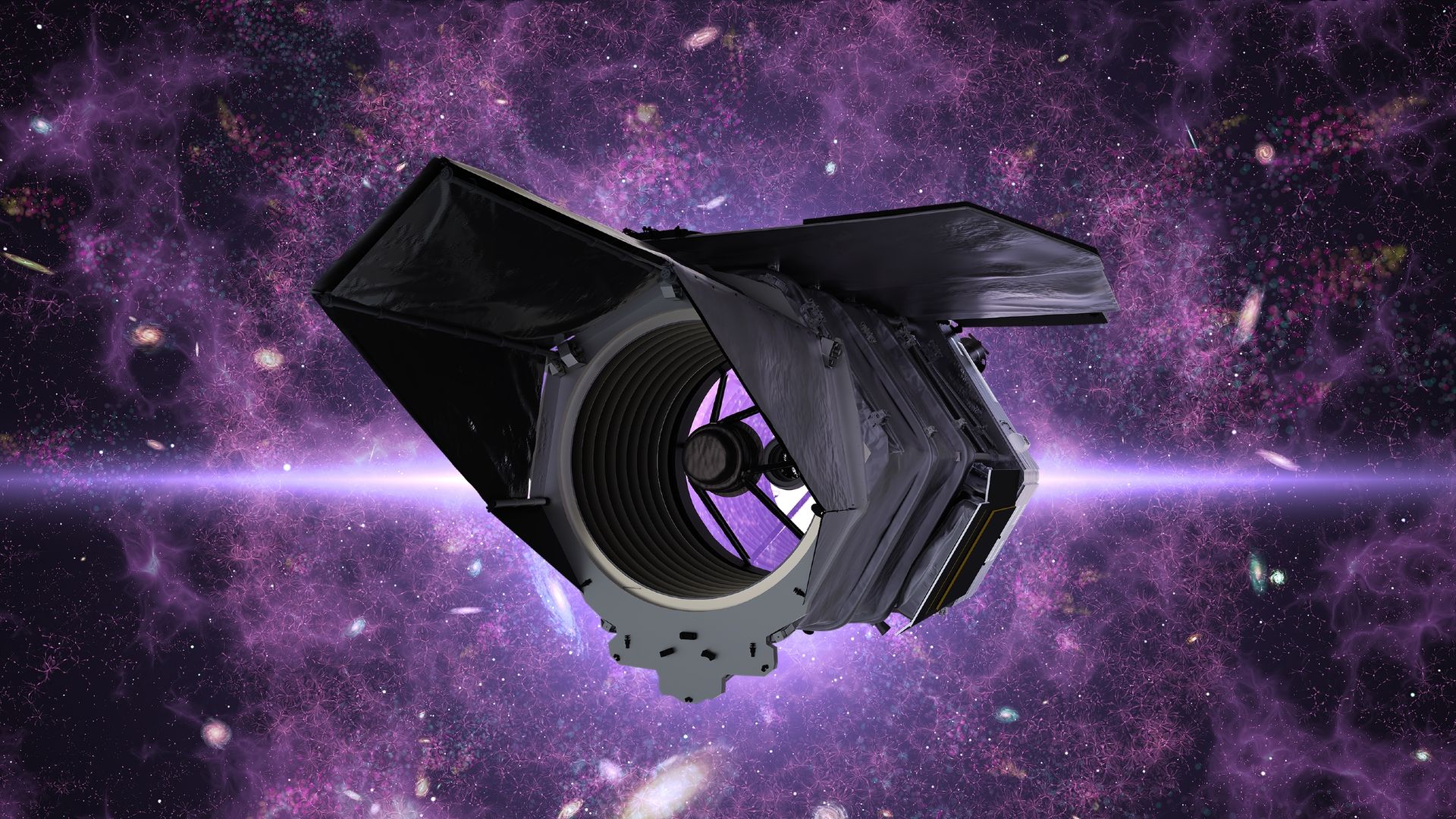
NASA's Nancy Grace Roman Space Telescope is set to deliver images that are 30% sharper than previously expected and will operate for twice as long. These advancements come as part of ongoing preparations for the telescope's launch, scheduled for May 2027. This enhanced capability is anticipated to significantly increase the quality and volume of astronomical data researchers can analyze.
The Roman Space Telescope is designed to explore the universe's mysteries, including dark energy and the formation of galaxies. The telescope's ability to capture clearer images will allow scientists to observe celestial phenomena with greater detail, providing insights into the origins and evolution of the universe. The technology improvements stem from advancements in optical design and camera sensitivity, making it a critical tool for modern astronomical research.
The telescope's extended operational life is also noteworthy. Originally, scientists anticipated a mission duration of five years, but recent assessments suggest it could last up to ten years. This increase in lifespan will enable a longer-term study of cosmic events and allow for more comprehensive surveys of the night sky. Researchers are already preparing to utilize the enhanced capabilities, with expectations that Roman will help answer fundamental questions about the nature of dark matter and the distribution of galaxies.
As the launch date approaches, NASA and the scientific community are excited about the potential discoveries the Roman Space Telescope will facilitate. It is expected to work in tandem with current observatories, such as the James Webb Space Telescope, to provide a more complete picture of the universe. With its remarkable imaging capabilities and extended mission life, the Roman Space Telescope could revolutionize our understanding of the cosmos, making these developments a significant milestone in astronomical research.
Read Full Story at Live Science →