The pros and cons of using noise cancelling headphones
Active noise cancellation has plenty of benefits, but knowing when to turn it off matters. Headphones are nearly as ubiquitous as the phones we all carry around; you likely use them at work, on the …
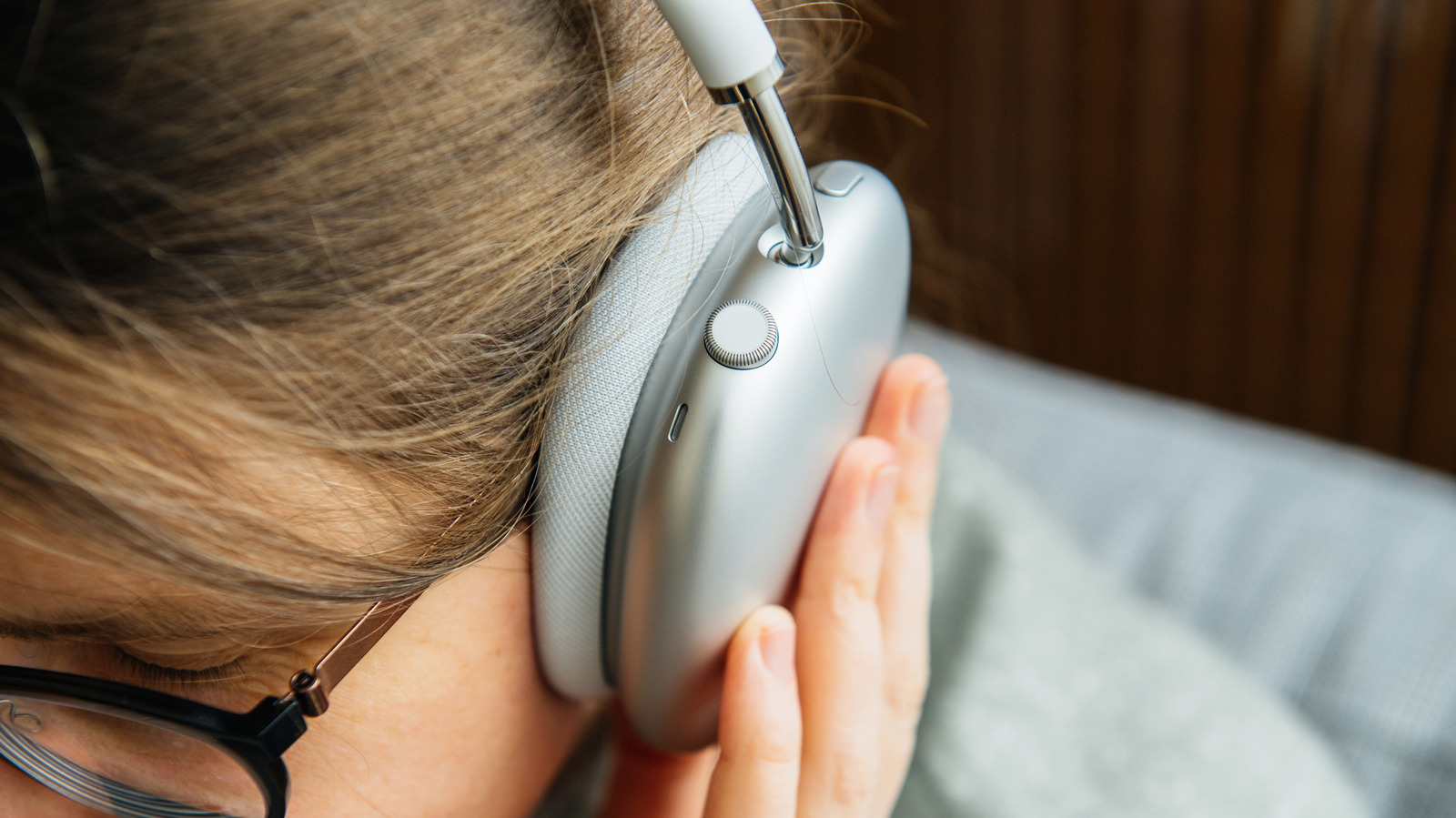
Active noise cancellation has plenty of benefits, but knowing when to turn it off matters.
Headphones are nearly as ubiquitous as the phones we all carry around; you likely use them at work, on the bus, at home, while working out and much more. And whether over-ear or in-ear, they're now more than just speakers.
More advanced models like the excellent AirPods Pro 3 feature active noise cancellation (ANC), which is great for blocking out the noise around you and focusing on what's being delivered to your ears. For many people, ANC is a must-have aspect of the best headphones . The benefit of silencing noisy equipment outside or the hum of people in the coffee shop is obvious, but while ANC is great, there are also a few drawbacks you might not have considered.
While ANC seemingly works like magic, there's a lot of physics behind it. The technology has been around for decades, but it's only relatively recently become popular in consumer headphones and earbuds. It's powered by multiple microphones built into the earphones. They're always listening to the world around you: all the car noises, people talking, babies crying and everything else. And this is where the science comes in.
Every sound is a wave generated by vibration, and that vibration has frequencies. When you have two opposing waves, they cancel each other out, which is called destructive interference. ANC takes advantage of destructive interference by capturing the audio from the microphones, analyzing it and then playing an inverted signal. The original and inverted waves cancel each other out, blocking most sounds coming from outside.
Headphones also need a powerful chip that can calculate everything in milliseconds, as any delay can ruin the experience. That's why headphones and earbuds with ANC tend to be more expensive, and what sets them apart from headphones with passive noise cancelling . Passive cancellation relies solely on the physical isolation of your ears being inside earcups (or earbuds being inside your ears).
Using headphones with active noise cancellation has a lot of advantages, making it hard to go back once you get used to them. The most obvious benefit is getting rid of annoying sounds; it's hard to imagine a long plane trip without noise cancellation. Because you don't have to overcome outside noise, you also enjoy better audio quality without distractions, hearing more details in songs or movies. That also makes ANC headphones safer for your ears; you won't need to turn the volume all the way up (and risk damage to your hearing) to drown out the outside world.
It's also great for phone calls, as you'll hear the other party more clearly. In some cases, where you don't even want to listen to music or watch anything, ANC can still be useful for simply providing silence when you need to focus. It's especially helpful for people who react negatively to external stimuli. Some people even wear ANC earbuds to sleep .
Read Full Story at Engadget →