The rise in drive prices is being driven by AI and even HDDs can't hide
What used to be a painless purchase now makes our eyes water. First it was RAM. Now it's the hard drives. Is nothing sacred? The AI data center boom has transformed once-cheap solid-state drives (SS…
What used to be a painless purchase now makes our eyes water.
First it was RAM. Now it's the hard drives. Is nothing sacred? The AI data center boom has transformed once-cheap solid-state drives (SSDs) and hard drives (HDDs) into luxury items. We're now living in a world where adding a terabyte to your PC and buying a new backup drive are no longer casual decisions.
You probably know about RAMageddon , but the storage hit hasn't been talked about as much. A 2TB SSD that sold for around $120 to $200 last year can now approach or pass $400, depending on the model. Even small drives have skyrocketed in price, with 256GB SSDs, once a $25 purchase, now costing several times that.
Less than a year ago, I paid $85 for a 1TB portable SSD for macOS Time Machine backups; today, that same drive has a $160 sticker price. It's enough to make you wish you had a real time machine.
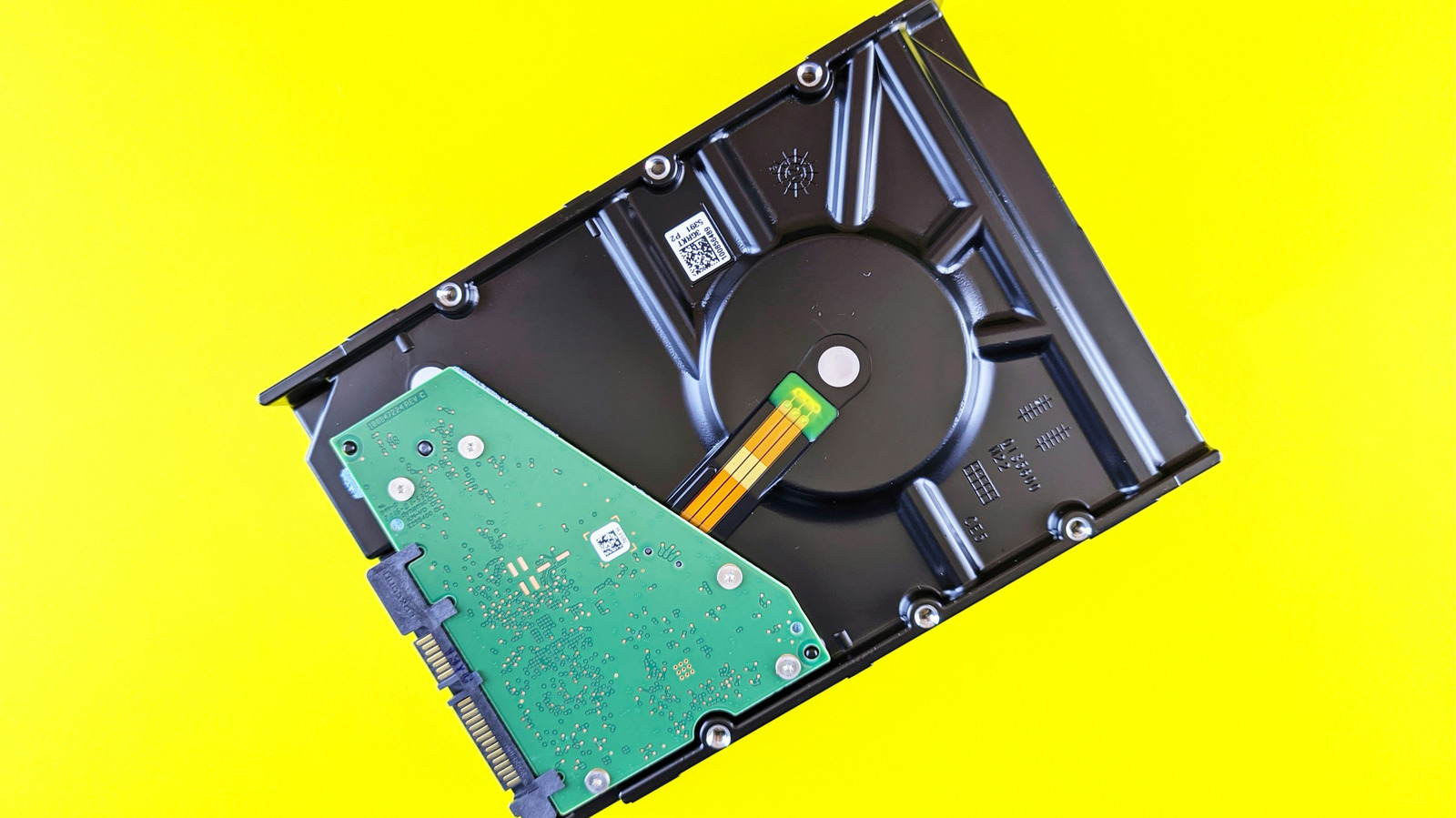
Unfortunately, it's no longer just SSDs. HDDs don't use NAND flash, so the supply crunch doesn't affect them in the same way. But they're still part of the AI gold rush. Data centers need enormous amounts of cheaper bulk storage, and hyperscalers are buying higher-capacity HDDs in huge numbers. At the same time, consumers and businesses priced out of SSDs have more incentive to turn to HDDs, further driving up demand.
Ergo, HDD prices are higher, too. The average for 4TB 3.5-inch SATA models this time last year was around $120. Today, it's about $240. An 8TB one, once around $200, is now $400.
Somewhat paradoxically, this makes hard drives more attractive than SSDs. After all, if two products double in price (as SSDs and HDDs have), the absolute dollar gap between them gets much larger. So, if speed isn't your top priority, an HDD might make more financial sense today.
That doesn't mean you should grab a spinning hard drive and install Windows on it for your gaming PC. (Please don't.) SSDs are dramatically faster and much better suited for operating systems, apps and the like. But hard drives are still a solid choice for things like backups, photo and video archives, and older games.
Read Full Story at Engadget →