Spanish-speaking countries confront clerical sex abuse, demand accountability
The Spanish-speaking world is increasingly confronting clerical sex abuse, with high-profile cases in Spain, Mexico, and Argentina revealing decades of unreported abuse. This movement echoes the 2002…
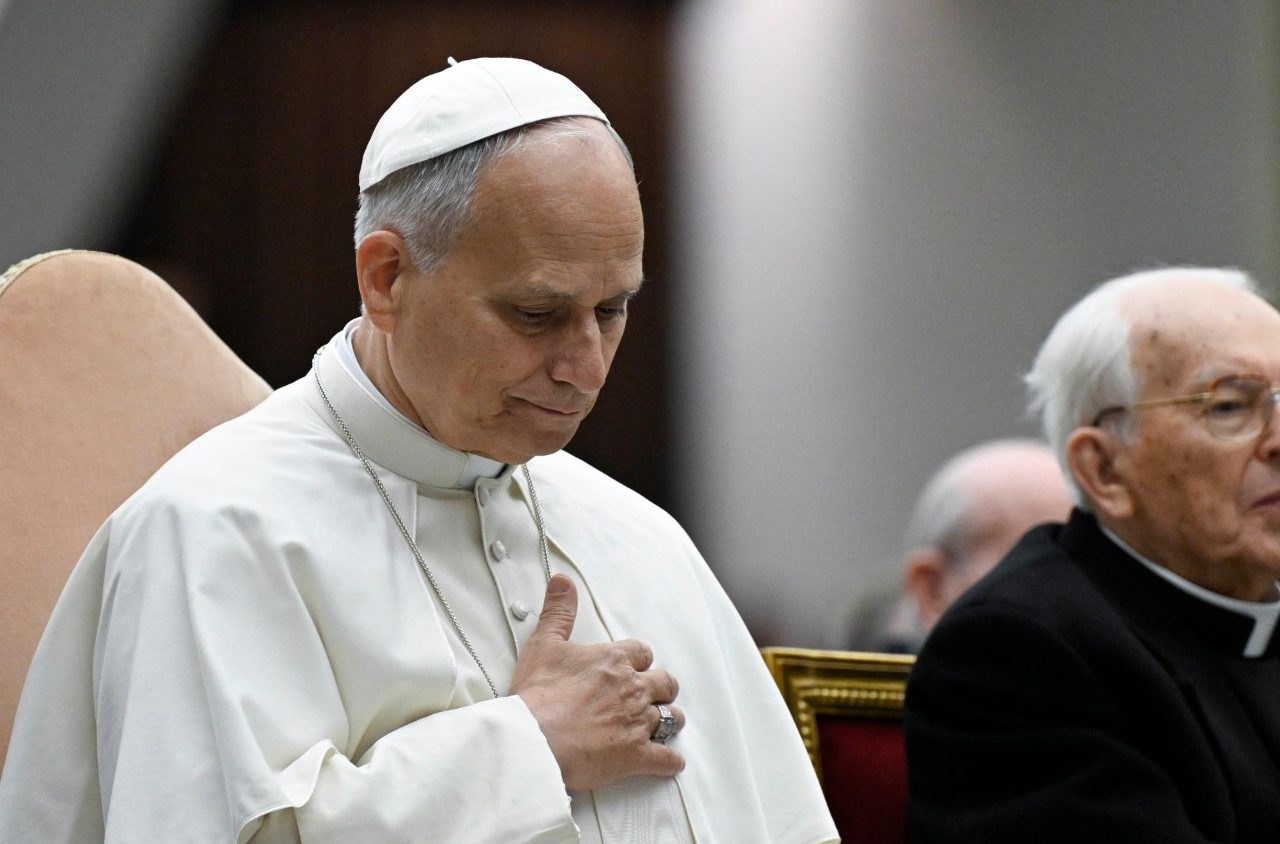
The Spanish-speaking world is experiencing a significant reckoning with clerical sex abuse, driven by recent investigations and a growing demand for accountability within the Catholic Church. High-profile cases in countries like Spain, Mexico, and Argentina have surfaced, revealing decades of abuse and cover-ups that mirror the revelations that began with the Boston Globe’s exposé in 2002.
This shift comes at a time when the Catholic Church is under intense scrutiny globally. The 2002 scandal prompted a movement in the English-speaking world that led to widespread reforms and increased awareness of clerical abuse. In the last few years, Spanish-speaking countries have begun to confront their own histories. Victims are speaking out and seeking justice, inspired partly by the global #MeToo movement and greater societal acceptance of discussing sexual abuse publicly.
Recent reports indicate that thousands of children have been abused by clergy across Latin America, with many cases going unreported for years. A landmark report released by a Spanish commission in early 2023 revealed that over 1,000 children were victims of clerical abuse in Spain alone since the 1930s. The response from the church has often been to minimize the issue, but there are signs of change. Some bishops are beginning to acknowledge the crisis and are advocating for reforms, including better reporting mechanisms and support for victims.
Looking ahead, the reckoning in the Spanish-speaking world is likely to intensify. Legal actions against clerics and institutions are expected to increase as victims continue to come forward. The church may face mounting pressure to implement reforms that prioritize transparency and accountability. As societal attitudes shift, the demand for justice will likely force the Catholic Church to confront its past and reshape its future in these communities. This is not just about the church; it is about restoring trust and addressing deep societal wounds.
Read Full Story at Crux Now →