Spain sees rare total solar eclipse on August 12, 2026
A total solar eclipse will darken parts of Europe, including Spain, on August 12, 2026, offering a rare 1m21s view of the Sun’s corona for research on space weather. The next mainland European total …
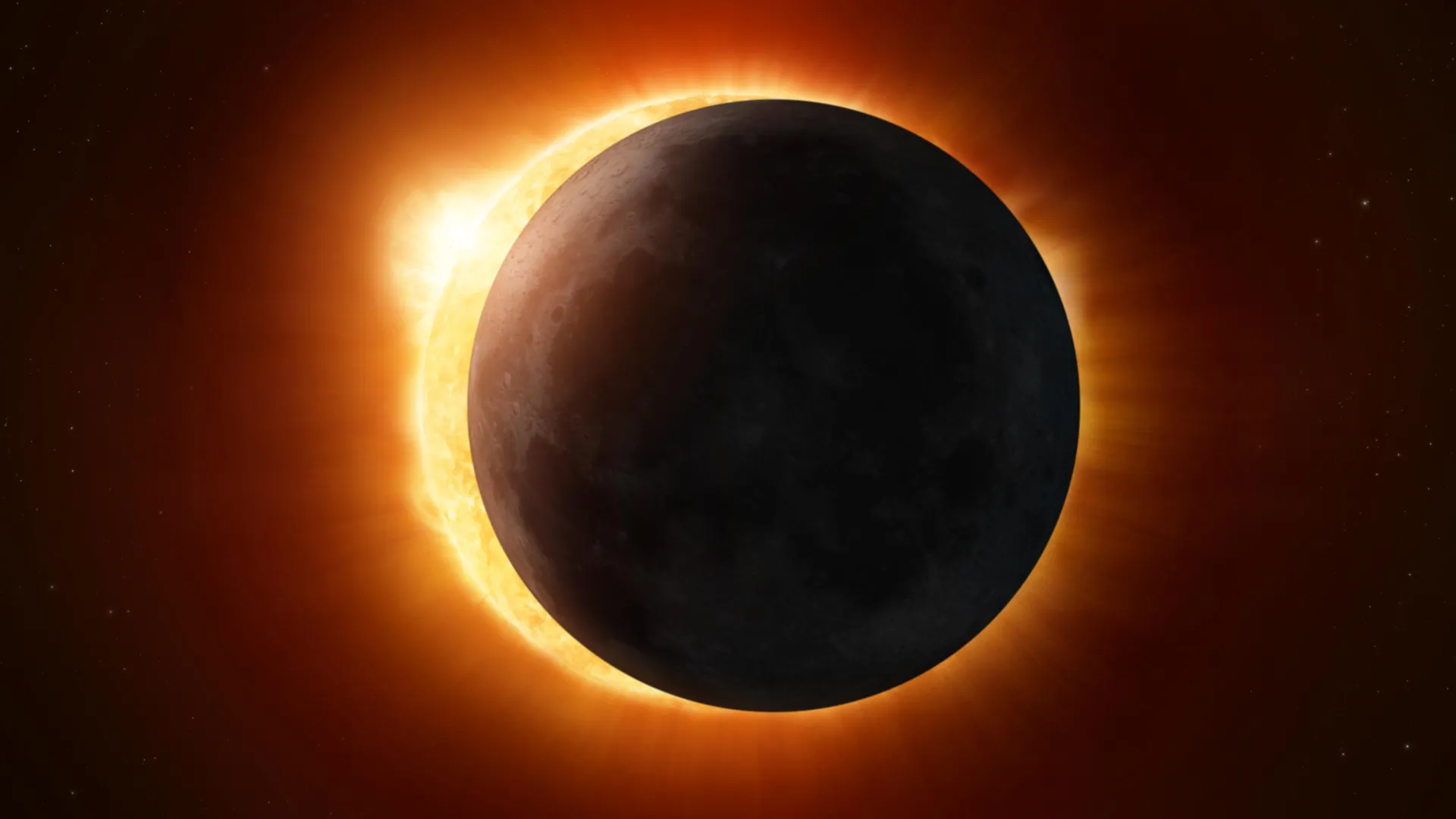
A total solar eclipse will plunge parts of Europe into darkness on August 12, 2026, with Spain offering some of the best views. ESA will livestream the spectacle from the Javalambre Observatory, combining telescope feeds, drone footage, and expert commentary. At 20:31 CEST, the observatory will experience 1 minute and 21 seconds of totality, revealing the Sun’s normally hidden outer atmosphere.
This will be the first total solar eclipse visible in mainland Europe since 2015. Solar eclipses occur when the Moon passes directly between Earth and the Sun, blocking sunlight. The path of totality—where the Sun is completely obscured—will stretch across the Arctic, Greenland, Iceland, and Spain. Spain’s northern coast, particularly around the Javalambre Observatory in Aragon, is one of the few places where totality will be visible on land. The timing is unusual: most summer eclipses happen earlier in the season when skies are clearer, but this one aligns with peak vacation season, drawing both scientists and tourists.
The European Space Agency (ESA) isn’t just broadcasting this event for spectacle. Total solar eclipses provide rare opportunities to study the Sun’s corona, the outer atmosphere that’s usually invisible due to the Sun’s glare. During totality, the corona becomes visible as a shimmering halo, offering clues about solar winds and space weather—phenomena that can disrupt satellites and power grids on Earth. The Javalambre Observatory is equipped with advanced telescopes, including the JST/T250, which will capture high-resolution images of the corona. ESA’s livestream will also feature drone footage of the eclipse’s shadow moving across the landscape, providing a dynamic perspective of the event.
After 2026, Europe won’t see another total solar eclipse until 2027, visible only from the southern tip of Spain and North Africa. The next one in mainland Europe won’t occur until 2081. For scientists, each eclipse is a chance to refine models of solar behavior. For the public, it’s a reminder of cosmic mechanics—how the Sun, Moon, and Earth align with such precision. And for Spain, it’s an economic boost: hotels and campsites along the path of totality are already booking up, with thousands expected to travel for the brief but unforgettable darkening of the afternoon sky.
Read Full Story at ScienceDaily →