The surprising science behind the 2026 World Cup grass
Inside the high-stakes effort to bring natural grass to World Cup stadiums How scientists are engineering the perfect World Cup pitch—one so flawless that players never notice it By Rachel Feltman , Fonda Mwangi & Alex Sugiura Rachel Feltman: For Scientific American ’s Science
Inside the high-stakes effort to bring natural grass to World Cup stadiums
How scientists are engineering the perfect World Cup pitch—one so flawless that players never notice it
Rachel Feltman: For Scientific American ’s Science Quickly , I’m Rachel Feltman.
It’s no secret that most of us could do with going out and touching some grass. But for some scientists, touching grass is much more than a metaphor for logging off—and watching grass grow is anything but a waste of time. In fact, for people like today’s guest, grass—sorry, turf—is more, even, than a mere occupation. It’s a calling.
While this passion for low-profile plants might strike many as strange, their work is about to have a huge impact on the most-watched sporting event in the world.
If you're enjoying this article, consider supporting our award-winning journalism by subscribing . By purchasing a subscription you are helping to ensure the future of impactful stories about the discoveries and ideas shaping our world today.
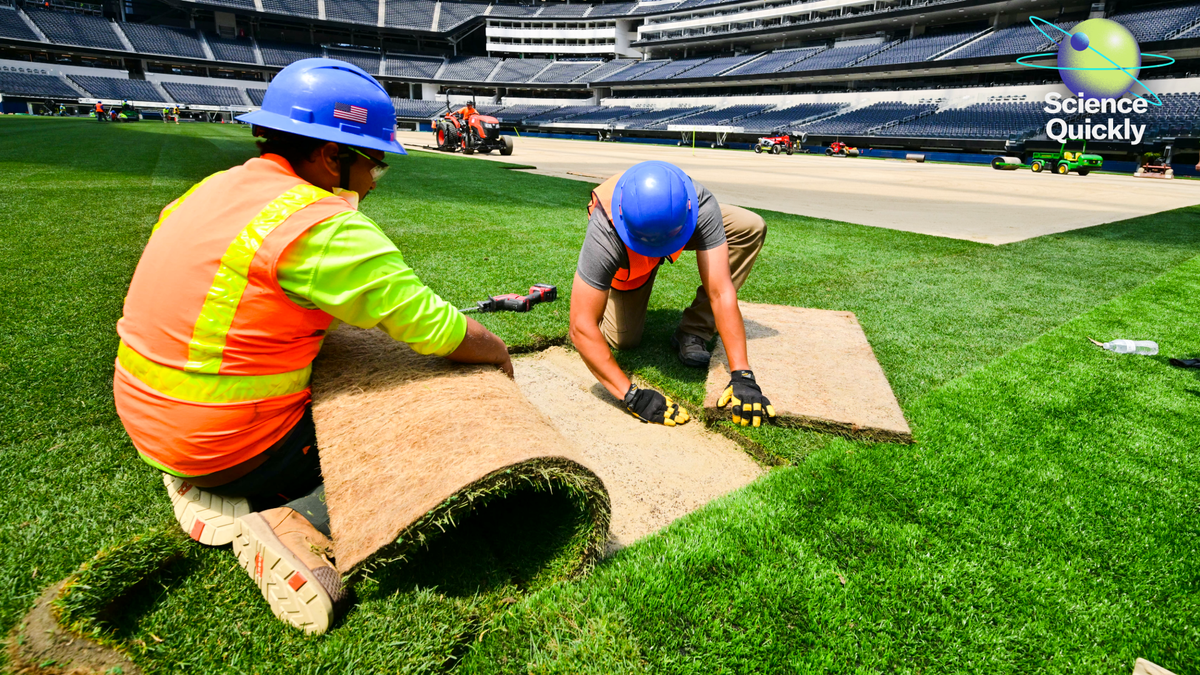
For around five years, turf experts from the University of Tennessee, Knoxville, and Michigan State University have been tasked with solving the surprisingly complex puzzle of preparing North American stadiums for FIFA World Cup gameplay. They’ve spent that time researching bespoke blade blends, testing cutting-edge growing methods and gaming out the logistics of cross-country turf shipment. With the World Cup now just a day away, they’re hoping for the ultimate sign of success: grass that nobody particularly notices one way or the other.
Our guest is John Trey Rogers III, a professor in turfgrass management at Michigan State University. We spoke to him late last month about the challenges he and his colleagues faced when they were tasked with pitching the best turf options to North American stadiums.







