The U.S. is getting hit with severe stormy weather—here’s what’s stewing in the atmosphere
The U.S. is getting hit with severe stormy weather—here’s what’s stewing in the atmosphere Cold fronts colliding with warm, humid air from the Gulf of Mexico could cause dangerous weather conditions, forecasters say By Jackie Flynn Mogensen edited by Claire Cameron A large swa
The U.S. is getting hit with severe stormy weather—here’s what’s stewing in the atmosphere
Cold fronts colliding with warm, humid air from the Gulf of Mexico could cause dangerous weather conditions, forecasters say
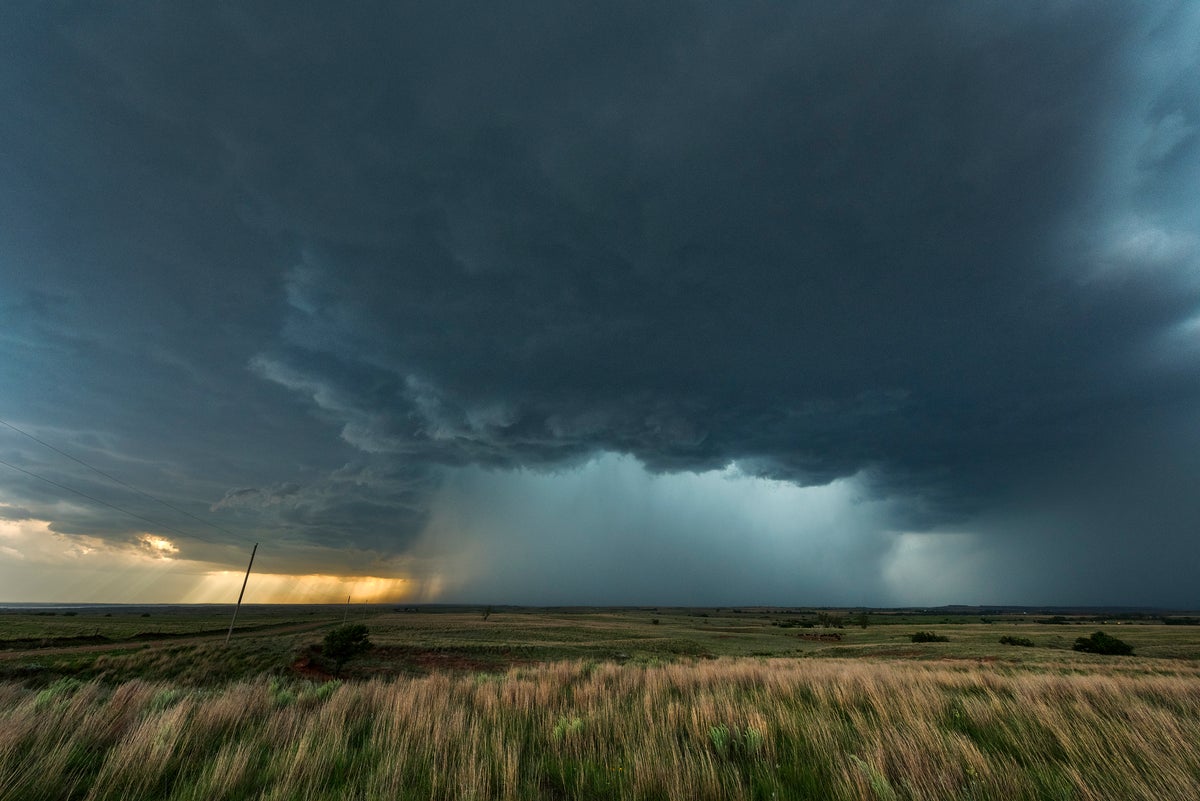
A large swath of the U.S., spanning the Upper Mississippi Valley, the Midwest and some of the Atlantic Coast is at risk of severe weather . “Scattered to numerous” thunderstorms , golf-ball-sized hail, high winds and “a few strong tornadoes” could hit some parts of the country in the next few days, according to the National Oceanic and Atmospheric Administration.
“It’s a really active pattern across the country right now with respect to thunderstorms, and it’s expected to remain pretty active over the next several days,” says Bob Oravec, a meteorologist at NOAA’s Weather Prediction Center.
If you're enjoying this article, consider supporting our award-winning journalism by subscribing . By purchasing a subscription you are helping to ensure the future of impactful stories about the discoveries and ideas shaping our world today.
Some of the effects are already here. “It’s going to be an afternoon and evening of widespread thunderstorm development,” particularly in the Midwest, even stretching down into parts of Oklahoma, says Bill Bunting, deputy director of NOAA’s Storm Prediction Center. “The strongest storms will certainly be capable of producing widespread damaging winds [and] large hail, and we do have the concern for tornadoes that will continue through this evening.”
The turbulent conditions are caused by a cold front traveling eastward across the northern part of the country, Oravec explains—as the cold front collides with warm, humid air coming off the Gulf of Mexico, it can produce thunderstorms. “Anytime you get warm, humid air along a frontal boundary, you often can see thunderstorm activity,” Oravec says. “This is what’s going to occur over the next several days as this front moves southeastward.”
“We have an air mass that is very warm, very moist, very sticky,” Bunting adds. That can be typical for this time of year, but it can also lead to “a more unstable atmosphere”—helping ramp up thunderstorms’ intensity, he says.







