💻 Technology
Live
The Webb telescope has captured its first 'bulge fossil fragment'
The funny-sounding name offers new insights into galaxy formation. Many of the developments shared by astronomers using the James Webb Space Telescope and similar instruments center on trying to und…
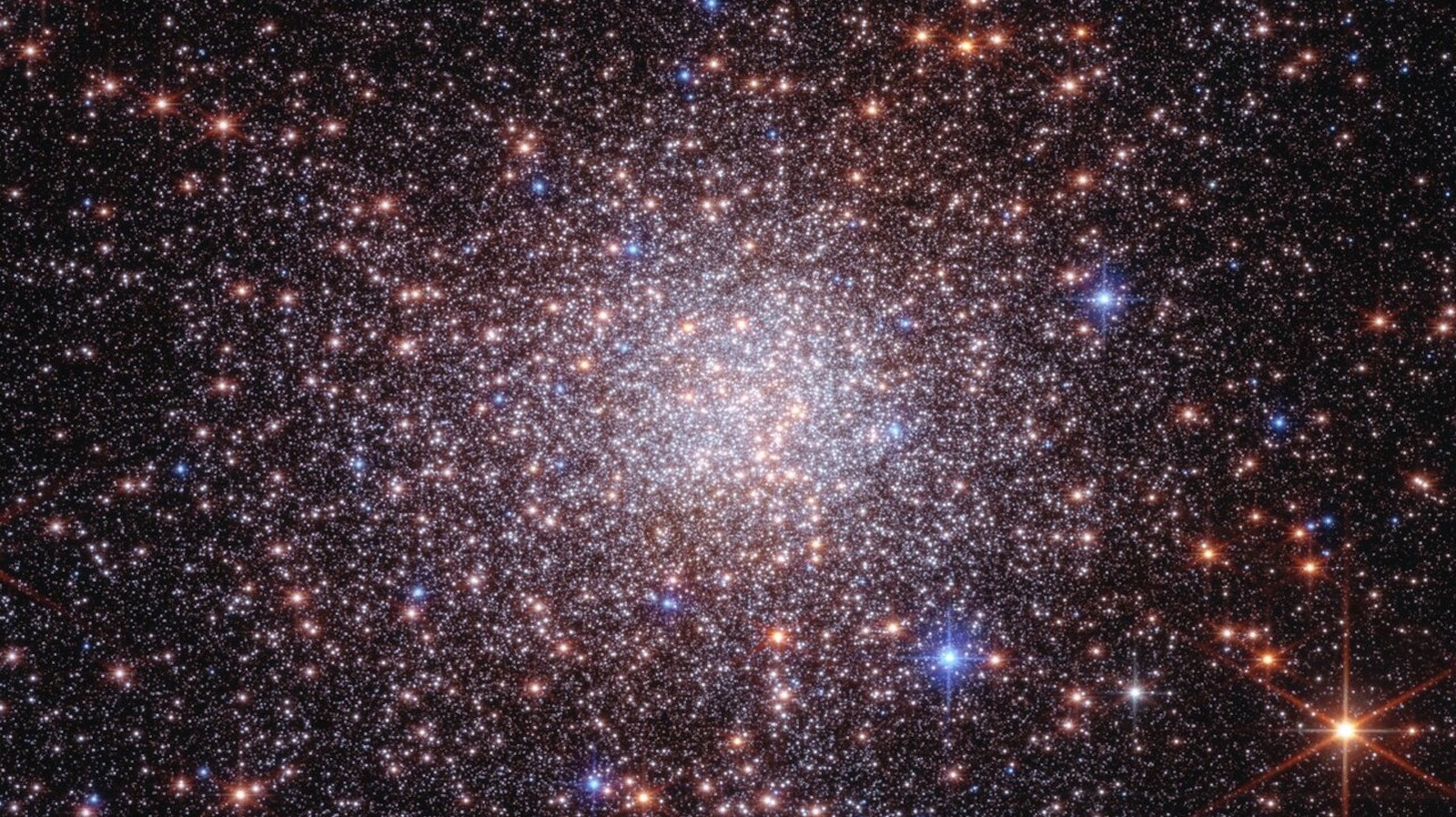
Engadget — 16 June 2026
Text:
21
0
0
The funny-sounding name offers new insights into galaxy formation. Many of the developments shared by astronomers using the James Webb Space Telescop
Read Full Story at Engadget →
⚡ Quickyla Analysis
Original editorial context — not sourced from the article above
The discovery of a "bulge fossil fragment" by the James Webb Space Telescope isn’t just another astronomical oddity—it’s a glimpse into the ancient architecture of galaxies, offering clues about how massive structures formed mere hundreds of millions of years after the Big Bang. Bulges, the dense, central regions of galaxies like our Milky Way, have long been thought to emerge through violent mergers or rapid internal processes, but their earliest stages remain poorly understood. This fossil fragment, likely a relic of a primordial galaxy core, suggests that some bulges may have assembled in surprisingly orderly ways, challenging the notion that all early galaxies were chaotic, merging systems. That insight alone reshapes how astronomers model galaxy evolution, pushing the timeline of structure formation back even further than previously imagined.
What makes this finding particularly compelling is its connection to the broader mystery of dark matter. The Webb telescope, with its unparalleled infrared sensitivity, can peer through dust clouds to detect stars that formed when the universe was less than a billion years old. By studying the motions and compositions of these ancient stars, researchers hope to infer how dark matter—an invisible scaffold for galaxy formation—shaped their growth. If this bulge fragment turns out to have formed in isolation rather than through mergers, it could imply that dark matter halos were already efficiently channeling gas into dense, stable structures far earlier than current simulations predict.
Open questions abound. How common are these fossil fragments? Did they seed the growth of larger galaxies, or were they short-lived anomalies? And crucially, what role did supermassive black holes, often found in galactic centers, play in their formation? Future Webb observations, paired with data from next-generation telescopes like the Nancy Grace Roman Space Telescope, may provide answers. For now, this discovery underscores a broader trend in astronomy: the more we refine our instruments, the more we realize that the universe’s early chapters were far more nuanced—and perhaps far more orderly—than we ever assumed.
Sources

💻 Technology
You can now beat ChatGPT Codex rate limits, if you have friends

💻 Technology
Meta is reportedly developing an AI pendant

💻 Technology
Cash App made a magic wand for contactless payments

💻 Technology
Coders are refusing to work without AI — and that could come back to bite them

💻 Technology
Hackers hijacked Instagram accounts by tricking Meta AI support chatbot into granting access

💻 Technology
Asus gives the ROX Xbox Ally the OLED screen it deserves

