SpaceX delays Starship launch from Florida until 2027 due to challenges
SpaceX's planned launch of its Starship rocket from Florida may be delayed until 2027 due to technical and regulatory challenges. This postponement is critical as it affects SpaceX's competitive posi…
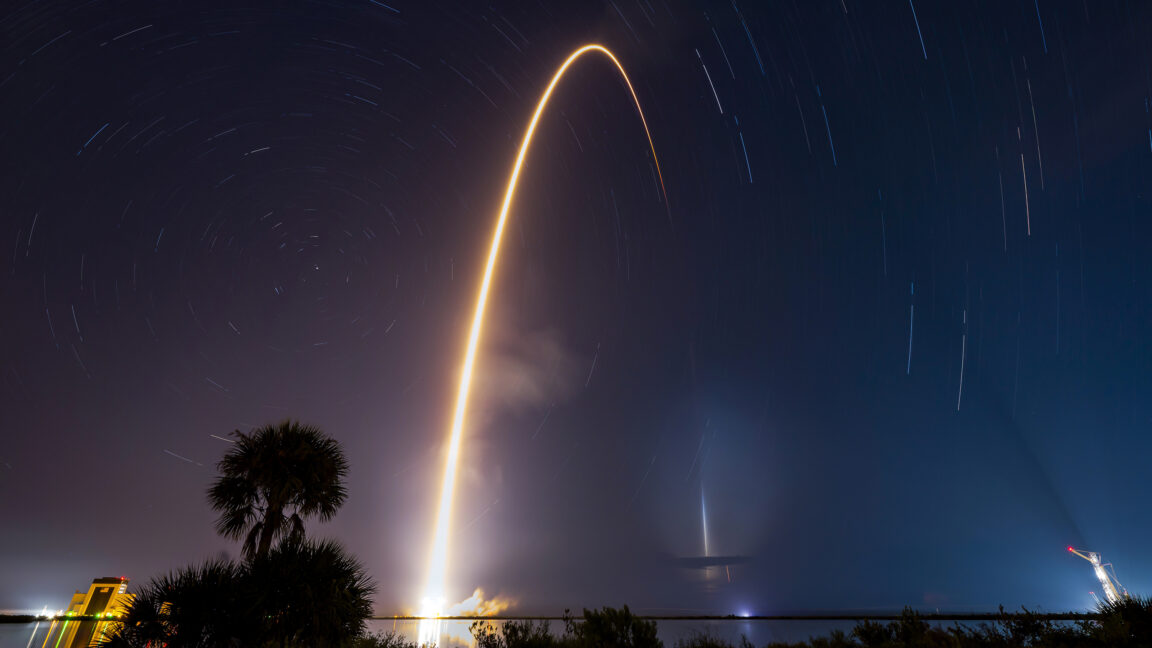
SpaceX plans to launch its Starship rocket from Florida by the end of this year. However, recent updates suggest that 2027 may be a more realistic timeline for this ambitious project. The announcement comes amid ongoing technical challenges and regulatory hurdles that have delayed previous launch attempts.
The Starship program is crucial for SpaceX, as it aims to develop a fully reusable spacecraft capable of carrying humans and cargo to destinations such as the Moon and Mars. The delays are significant because SpaceX is competing with other companies and agencies, including NASA, which are also racing to establish a foothold in space exploration. The need for a reliable launch schedule is heightened by increasing interest in space tourism and satellite deployment, which require frequent and dependable access to orbit.
In the past year, SpaceX has faced setbacks with its Starship prototypes, including explosions during test flights and scrutiny from regulatory bodies like the Federal Aviation Administration (FAA). These issues have led to a reevaluation of timelines and project priorities. The company has focused on ensuring safety and compliance, which has contributed to the slower pace of development. Investors and space enthusiasts alike are monitoring the situation closely, as delays may impact SpaceX's plans for future missions.
Looking ahead, the next steps involve intensive testing and the completion of necessary regulatory approvals. SpaceX is likely to continue refining its designs and addressing safety concerns before moving forward. The timeline for a successful launch is uncertain, but the stakes are high for SpaceX and the broader space industry. As competition intensifies, the ability to launch effectively and frequently will be crucial in shaping the future of space exploration.
Read Full Story at Ars Technica →