Dr. Deborah Cohen's book reveals social media's impact on healthcare understanding.
Investigative journalist Dr. Deborah Cohen's book, "Bad Influence: How the Internet Hijacked Our Health," argues that social media algorithms distort public understanding of healthcare by prioritizin…
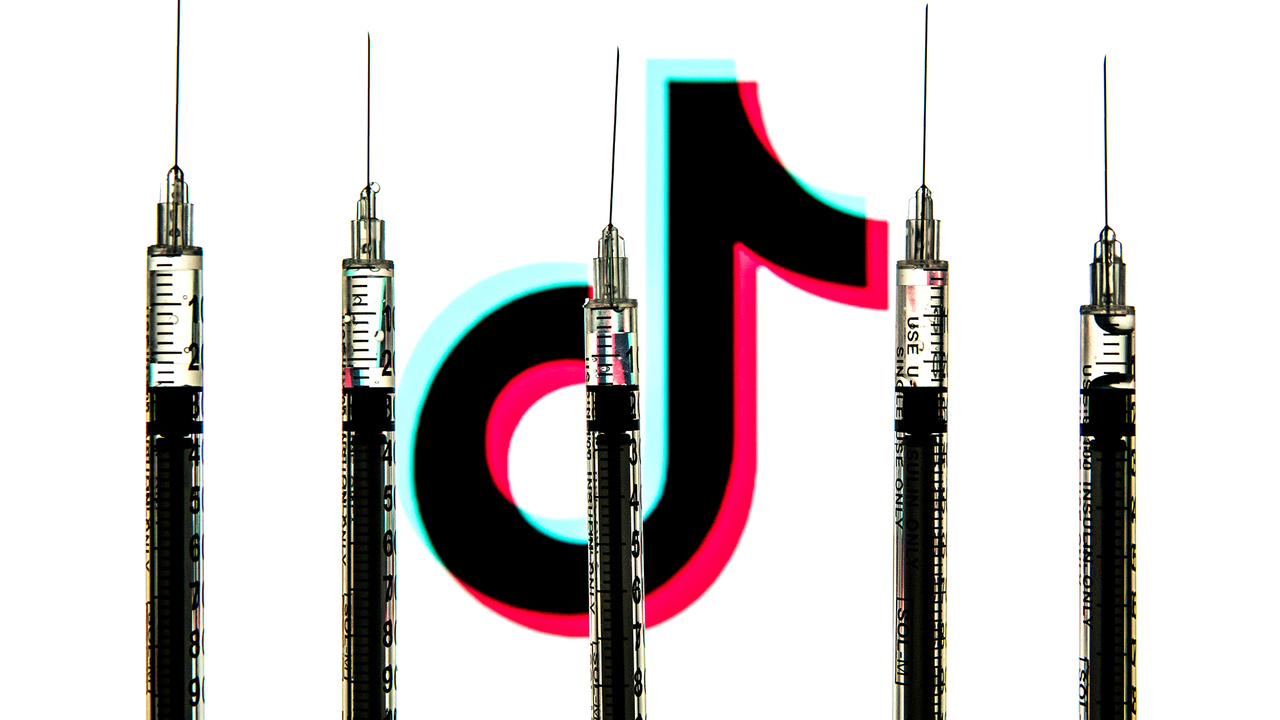
Investigative journalist Dr. Deborah Cohen has released a new book titled Bad Influence: How the Internet Hijacked Our Health, which argues that social media algorithms are fundamentally distorting public understanding of medical science and personal well-being. The book serves as a critical examination of how digital platforms prioritize engagement over accuracy, leading users to consume health information that is often misleading, dangerous, or entirely fabricated. Cohen’s work highlights a growing crisis where algorithmic curation replaces professional medical advice, creating an environment where dangerous myths spread faster than factual corrections. This publication arrives at a pivotal moment when trust in traditional institutions is low and people are increasingly turning to online communities for guidance on everything from nutrition to mental health treatment.
The root of this issue lies in the business models of major social media companies, which are designed to maximize user attention rather than promote public safety. Algorithms learn what keeps people scrolling, and fear, outrage, and conspiracy theories are highly effective at generating engagement. As a result, users are funneled into echo chambers that reinforce their existing biases and present extreme health claims as objective truths. There is a pervasive sense that these algorithms are neutral tools that simply reflect user interest, but in reality, they actively shape perception by amplifying sensational content. This dynamic has led to a surge in misinformation regarding vaccines, chronic diseases, and mental health conditions, with many individuals abandoning evidence-based medicine in favor of unproven remedies promoted by influencers. The problem is exacerbated by the lack of effective moderation and the speed at which false narratives can go viral, often outpacing the ability of fact-checkers and health organizations to respond.
Cohen’s research reveals that the impact of this digital hijacking is not limited to fringe groups but has penetrated mainstream discourse, affecting how entire demographics approach their health. She notes that the visual nature of platforms like Instagram and TikTok makes health trends appear more credible and accessible, even when they lack scientific backing. Users often mistake the polished presentation of a health influencer for medical expertise, leading to widespread adoption of harmful practices. The consequences are tangible, ranging from delayed medical treatment to the consumption of toxic supplements. Experts warn that the erosion of trust in scientific consensus poses a severe threat to public health initiatives, as communities become fragmented and resistant to expert guidance. The book provides numerous case studies illustrating how individuals were misled into abandoning life-saving treatments based on online advice, highlighting the urgent need for digital literacy and platform accountability.
Moving forward, addressing this crisis requires a multi-faceted approach involving policymakers, tech companies, and health professionals. Regulators are beginning to scrutinize the role of social media in spreading health misinformation, with calls for greater transparency in algorithmic processes. However, Cohen argues that technical fixes alone are insufficient without a broader cultural shift in how society values and consumes information. Educational initiatives must focus on teaching critical thinking skills and helping individuals recognize the commercial incentives driving online health content. Health professionals also need to adapt their communication strategies to engage effectively in digital spaces, countering misinformation with clear, accessible, and empathetic messaging. The challenge is significant, as it involves changing deeply ingrained habits and challenging the powerful economic interests of the tech industry. Without substantial intervention, the gap between medical reality and online perception will continue to widen, with potentially devastating consequences for individual and public health.
Read Full Story at Live Science →