These ancient quasars shouldn't exist so soon after the Big Bang
Astronomers have uncovered 31 of the oldest known quasars, including the two earliest ever detected, shining from a time when the universe was only about 670 million years old. Powered by supermassive
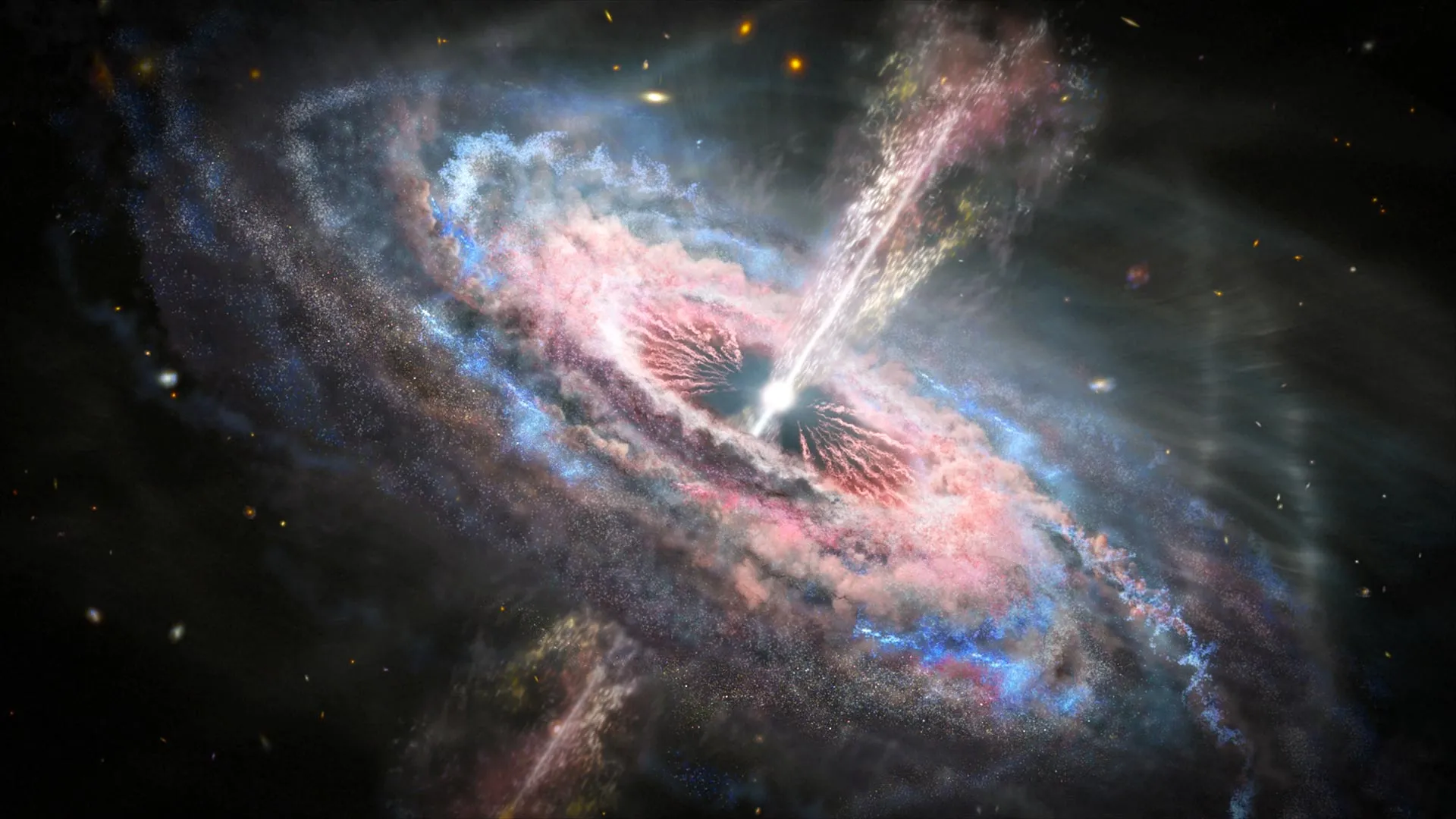
Astronomers have uncovered 31 of the oldest known quasars, including the two earliest ever detected, shining from a time when the universe was only ab
Read Full Story at ScienceDaily →Why This Matters
The discovery of these 31 ancient quasars challenges the prevailing timeline of cosmic evolution, forcing a reevaluation of how supermassive black holes could form and grow within the first billion years of the universe. Their existence suggests that current models of early galaxy formation may be missing critical mechanisms, potentially rewriting our understanding of the cosmos' infancy.
Background Context
Quasars are among the most luminous objects in the universe, powered by supermassive black holes consuming gas at rates that defy conventional expectations for such early epochs. Before modern telescopes like JWST, astronomers could only speculate about the prevalence of such objects so soon after the Big Bang, with earlier surveys hinting at their existence but lacking the resolution to confirm them.
What Happens Next
Next-generation telescopes, including the Nancy Grace Roman Space Telescope and the Vera C. Rubin Observatory, will likely expand this catalog, probing deeper into the universe's past. Researchers may also pivot toward studying the host galaxies of these quasars to uncover how their environments facilitated such rapid black hole growth.
Bigger Picture
This finding joins a growing body of evidence—from unexpectedly massive early galaxies to ultra-luminous supernovae—that the universe's first billion years were far more dynamic than previously assumed. It underscores the need for flexible theoretical frameworks capable of accommodating outliers that defy traditional cosmological models.