These bees have nowhere to hide from extreme heat
A major study of Australian native bees found that stem-nesting species may be the first to feel the impact of climate change. Unlike bees that nest underground, they have few ways to escape dangerou…
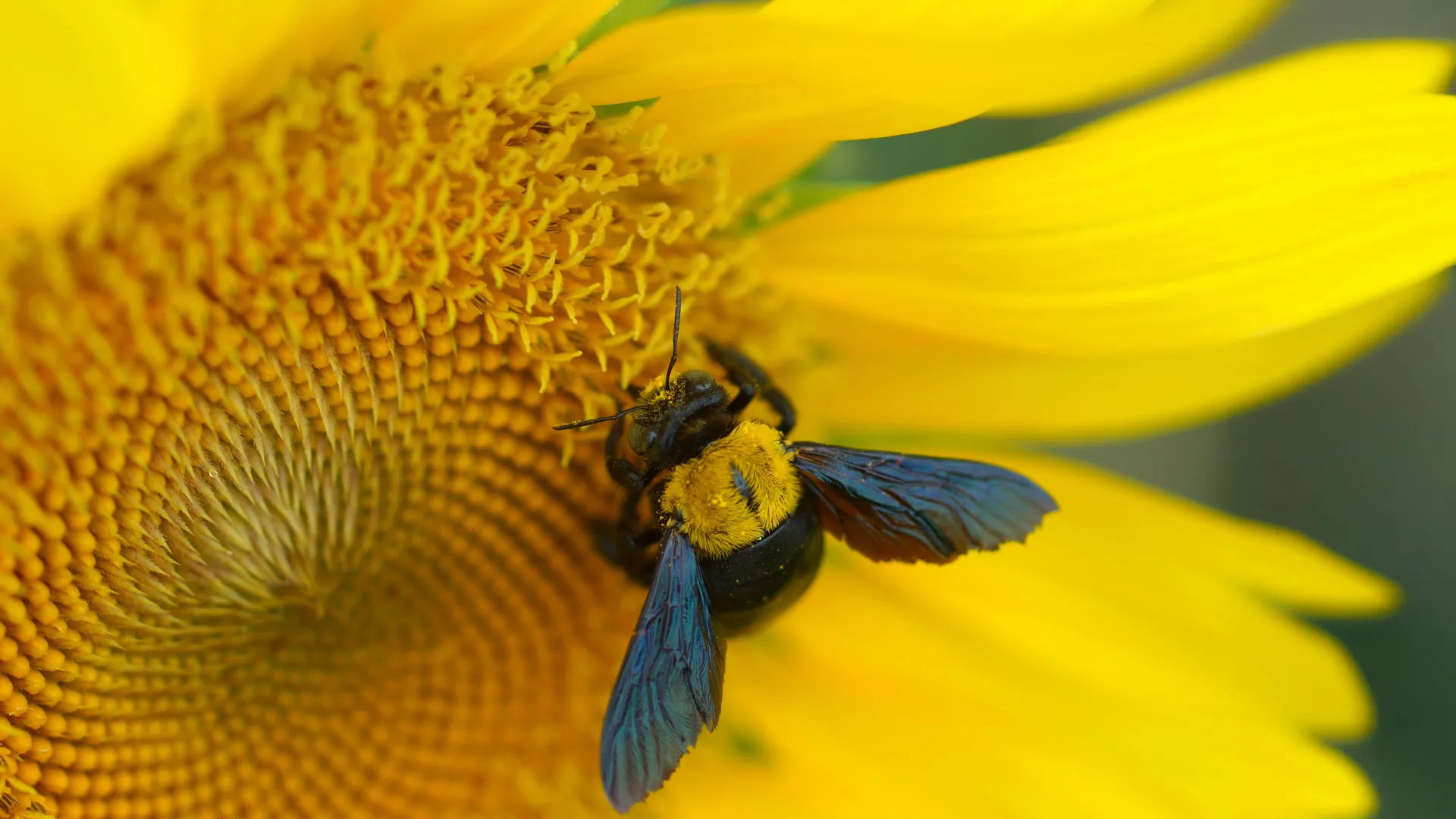
A major study of Australian native bees found that stem-nesting species may be the first to feel the impact of climate change. Unlike bees that nest u
Read Full Story at ScienceDaily →The plight of Australia’s stem-nesting native bees offers a stark preview of how climate change is reshaping ecosystems in ways we’re only beginning to grasp. Unlike their subterranean cousins, these bees rely on hollow plant stems or similar cavities for shelter, leaving them uniquely vulnerable to the escalating heat waves that now grip many regions. As temperatures rise, the protective insulation provided by their nesting sites—once a reliable refuge—becomes less effective, pushing already stressed populations closer to their physiological limits. This isn’t just bad news for bees; it’s a bellwether for the broader fragility of specialized species in a warming world, where even minor shifts in climate can unravel ecological niches that evolved over millennia. What makes this study particularly compelling is its focus on a group of bees that often fly under the radar. While honeybees and bumblebees dominate headlines, Australia is home to over 2,000 native bee species, many of which play critical roles in pollination networks. Stem-nesting bees, in particular, are often hyper-specialized, relying on specific plant species for nesting material. As heat stress intensifies, their inability to find cooler microhabitats could trigger cascading effects—reduced pollination for native flora, declining food sources for predators, and even disruptions to agricultural systems that depend on wild pollinators. The research also raises questions about whether these bees can adapt quickly enough, or if their decline might force ecosystems into less resilient states long before more charismatic species face similar pressures. Looking ahead, the biggest unknown is whether conservation strategies can keep pace with the speed of change. Traditional approaches like creating artificial nest sites may provide temporary relief, but they don’t address the underlying issue: a climate that no longer accommodates these species’ needs. Meanwhile, the broader trend is clear—climate-driven habitat loss is accelerating, and stem-nesting bees are just the first to sound the alarm. Their fate could signal a coming wave of extinctions for other temperature-sensitive species, from alpine wildflowers to cold-adapted insects. The question isn’t just whether we can save these bees, but whether we’re prepared to confront the deeper reality that some ecosystems may soon outrun our ability to protect them.







