Jim Nollman releases orca duet album
Composer Jim Nollman’s new album “Orcas’ Greatest Hits” pairs wild orcas’ vocalizations with his piano improvisations, recorded off Washington State. The project highlights potential interspecies mus…
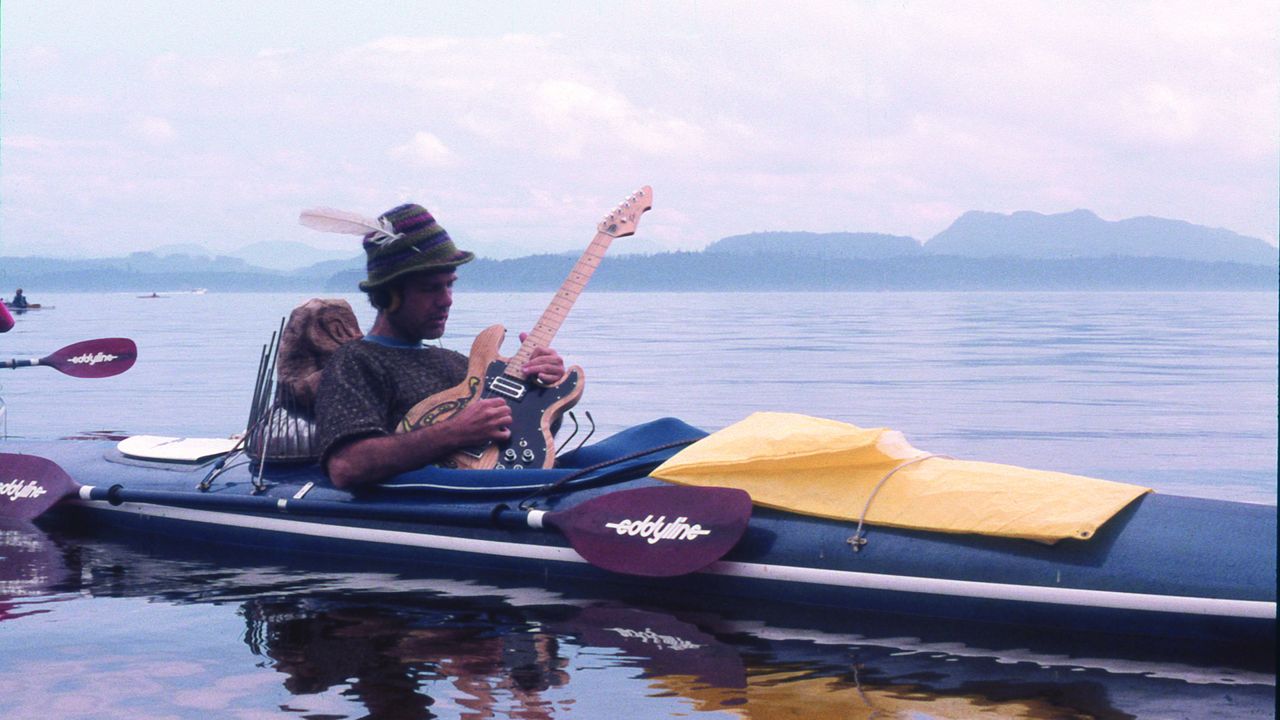
Composer Jim Nollman has spent decades making music with animals—from turkeys and kangaroo rats to beluga whales—and now he’s turning his attention to orcas. His latest project, “Orcas’ Greatest Hits,” is a collection of whale sounds matched with improvised piano chords, offering a rare glimpse into the musical potential of the ocean’s top predators. The album, recorded in collaboration with wild orcas off the coast of Washington State, blends their clicks, whistles, and calls with Nollman’s spontaneous compositions. It’s set for release this fall.
Nollman’s work isn’t about forcing animals to perform—it’s about listening and responding. Over 50 years, he’s pioneered a form of musical dialogue with wildlife, using instruments to mirror the sounds he hears in nature. His first experiments in the 1970s with turkeys led to a breakthrough when the birds seemed to sync their clucks with his guitar chords. Later, he recorded with a kangaroo rat that tapped out rhythms on a tiny drum. Whales proved trickier but more rewarding, their complex vocalizations inspiring entire compositions. The orca project, recorded in 2023, captures 45 minutes of underwater sessions where Nollman played piano near a resident pod of orcas in the Salish Sea. The whales’ responses—high-pitched whistles and pulsed calls—were woven into the album’s tracks.
The result is an eerie, hypnotic soundscape. Nollman describes the orcas’ contributions as “a chord change” that pushed his improvisations in unexpected directions. “They would come in with a chord change of their own,” he told *Live Science*. The album includes 10 tracks, each named after the orcas involved (like “Luna’s Lament” or “Echo’s Echo”). Critics have praised the project for its authenticity, noting that the orcas’ calls sound less like random noise and more like intentional musical phrases. Wildlife acoustics expert Dr. John Hildebrand called it “a fascinating experiment in interspecies communication,” though he cautioned that more research is needed to confirm if the orcas were truly “composing” or just responding to the music.
What’s next for Nollman? He’s already eyeing new collaborations—possibly with dolphins or seals—and hopes to expand the project into live performances where humans and animals improvise together. The bigger question, he says, is whether this kind of work can change how we see animals. “If people hear these orcas not just as predators but as musicians,” he muses, “maybe it shifts the conversation about who deserves our attention—and our protection.”
Read Full Story at Live Science →