Brain-IT AI converts brain scans into images, aiding cognitive research.
The AI model Brain-IT can convert brain scans into visual images, aiding researchers in understanding how the brain processes visual information. This advancement offers a non-invasive approach to st…
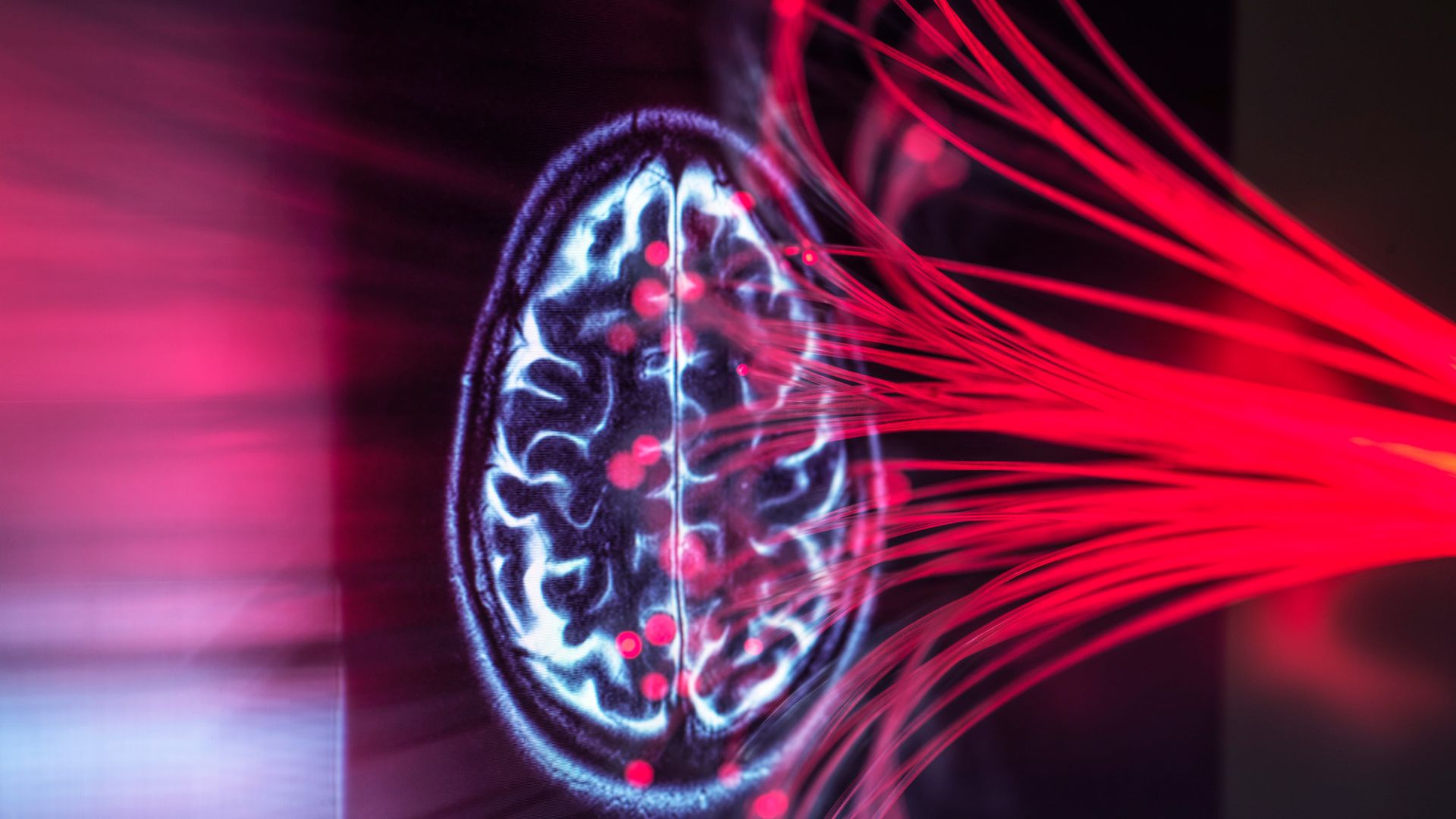
A new AI model, named Brain-IT, has been developed to transform brain scans into visual images and vice versa, allowing researchers to visualize how the brain processes images. This groundbreaking technology was unveiled recently and represents a significant advancement in neuroscience and artificial intelligence.
The development of Brain-IT comes amid growing interest in understanding brain activity and its connection to perception. Traditional methods of studying brain function often involve complex and invasive procedures, limiting researchers' ability to explore how the brain interprets visual information. By using advanced machine learning techniques, Brain-IT offers a non-invasive way to bridge the gap between neural activity and visual representation, making it easier to study and understand cognitive processes.
The model works by analyzing patterns in brain scans collected from subjects viewing various images. It can then recreate those images based solely on the brain activity recorded. This capability not only enhances our understanding of how the brain encodes visual information but also opens new avenues for exploring brain-computer interfaces and potential applications in medicine, such as aiding those with visual impairments or neurological disorders. Researchers are optimistic about the implications, with initial studies showing promising results in accurately reconstructing images from brain activity.
Looking ahead, the implications of Brain-IT extend beyond academic research. As the technology matures, it may lead to innovative applications in mental health treatment, creative industries, and even education. The ability to visualize thoughts or dreams could revolutionize communication methods for individuals with disabilities or enhance virtual reality experiences. Continued research and refinement of this AI model could ultimately reshape how we understand the human brain and its complex relationship with perception.
Read Full Story at Live Science →