This US neighborhood is full of hazardous air pollution. Can a network of sensors make ‘the invisible visible’?
Pacoima is hemmed in by highways and heavy industry, and its residents are fighting pollution with hyperlocal air quality monitoring J ose Luis Salas looks up at the ladder. “Are you ready?” he asks Shance Taylor, an environmental project manager who’s holding a white container,
Pacoima is hemmed in by highways and heavy industry, and its residents are fighting pollution with hyperlocal air quality monitoring
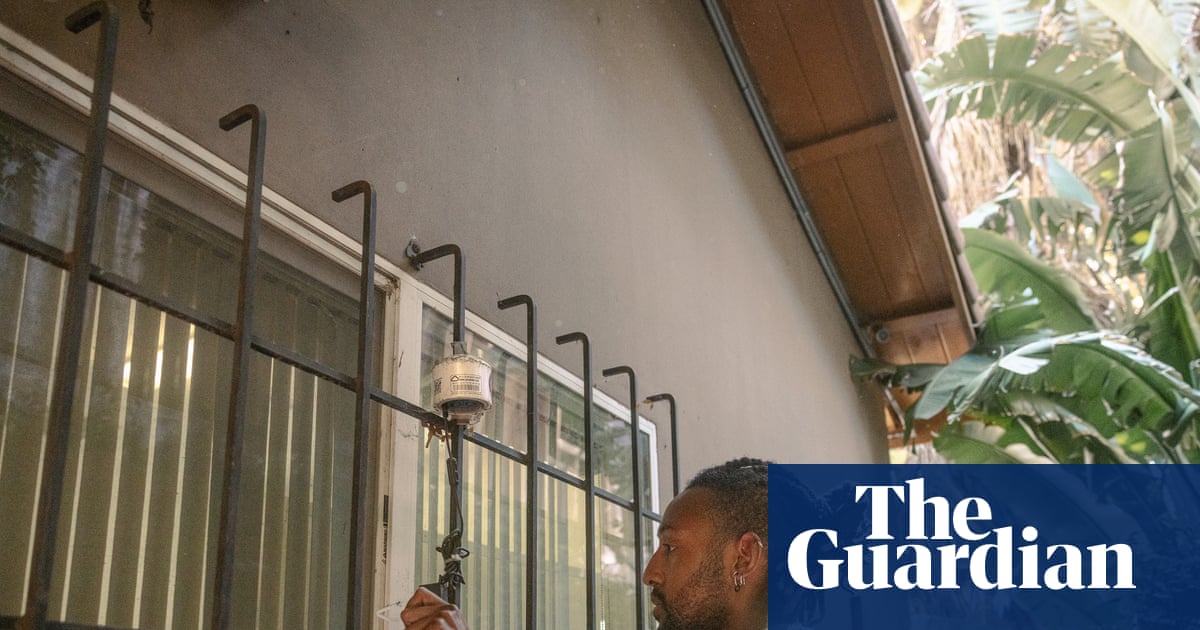
J ose Luis Salas looks up at the ladder. “Are you ready?” he asks Shance Taylor, an environmental project manager who’s holding a white container, about the size of a shoebox, covered with wires and numbers.
Taylor nods and climbs up to reach the side of Salas’s tidy house in Pacoima, a neighborhood in Los Angeles’s north-east San Fernando valley. The curious box in their hands is known as Aeroqual sensor – part of a community air-quality monitoring program run by Pacoima Beautiful, a local environmental group.
Taylor, wearing a green Pacoima Beautiful shirt, turns on the sensors and ensures they’re connecting to Salas’s wireless internet. Then they zip tie the box to the white siding of the house, their hands deftly weaving through the metal grating.
The box is one of six stashed around the city – on business rooftops, playgrounds and around houses like Salas’s – quietly sucking up the air and making precise measurements of pollutants such as PM2.5 and ozone. It’s all part of a community-driven effort to understand the effect of pollution in real time, in one of Los Angeles’ most environmentally challenged neighborhoods.
Los Angeles is rated one of the nation’s worst cities for air pollution, but even here, Pacoima stands out.
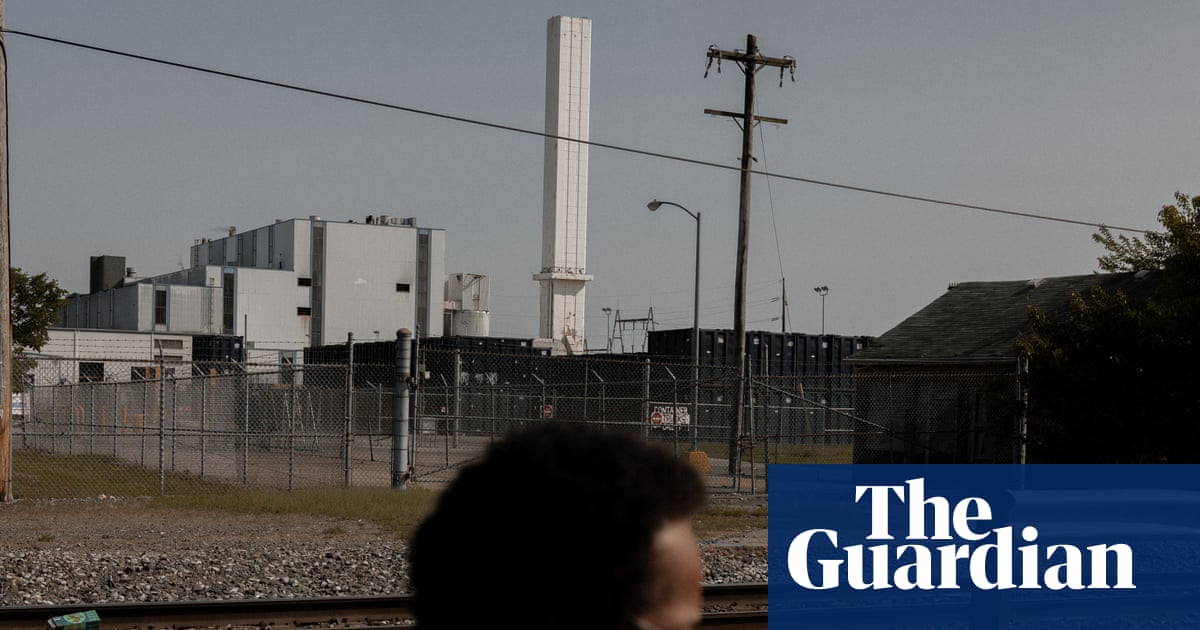
With a multicultural, working-class community of more than 81,000 people squeezed into seven sq miles, it’s one of the most densely populated areas in Los Angeles county. The neighborhood is a peninsula of highways – hemmed in by Interstate 5, Highway 118 and Interstate 210. It’s also home to a small regional airport, heavy industry such as auto-dismantlers, landfills and factories, and has a rail line that cuts through the middle.
Salas has lived in this area for 26 years, and has felt the air turn stale. “There are certain days when there is no fog and no breeze, yet you can see smoke in the streets,” he said. Sometimes when he exercises outdoors, he struggles to breathe.