Florida toddler dies from brain-eating amoeba, prompting urgent medical awareness
A toddler in Florida died from Naegleria fowleri, a rare but deadly amoeba typically found in warm freshwater. This case emphasizes the urgent need for healthcare professionals to recognize early sym…
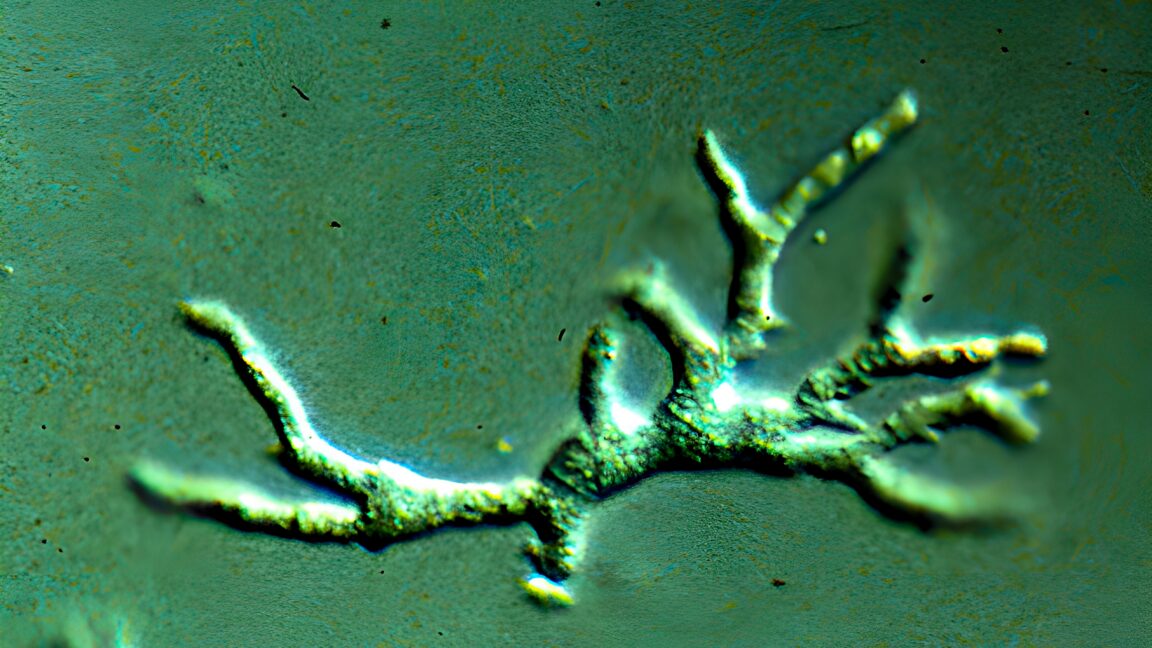
A toddler in Florida recently died after contracting a rare brain-destroying amoeba known as Naegleria fowleri. The 2-year-old boy displayed unusual symptoms, including severe headaches and fever, before his condition rapidly deteriorated. This tragic case highlights the critical need for healthcare professionals to recognize the early signs of this deadly infection, which is typically contracted through warm freshwater environments, such as lakes and hot springs.
Naegleria fowleri infections are extremely rare but almost always fatal. The infection usually occurs when water containing the amoeba enters the body through the nose, often during recreational activities. Symptoms can mimic those of bacterial meningitis, leading to delays in diagnosis and treatment. The recent incident underscores the importance of medical education on identifying symptoms associated with this amoeba, especially in young children who are more vulnerable. The Centers for Disease Control and Prevention (CDC) reported only 154 known cases in the U.S. from 1962 to 2021, but each case serves as a reminder of the potential dangers of freshwater exposure.
Experts suggest that this case could serve as a critical learning opportunity for doctors and pediatricians. By familiarizing themselves with the symptoms and possible exposure routes of Naegleria fowleri, medical professionals can expedite diagnosis and improve the chances of survival for future patients. Increased awareness can also lead to better patient education about the risks associated with swimming in warm freshwater, especially in areas where the amoeba is known to thrive.
Moving forward, health officials are likely to advocate for stronger public health messaging about the risks of Naegleria fowleri, particularly in regions where the amoeba is prevalent. This could include guidelines for recreational water activities and increased training for healthcare providers on recognizing early symptoms. As families prepare for summer activities, understanding the risks and being able to identify symptoms early may save lives and prevent future tragedies.
Read Full Story at Ars Technica →