U.S. Army detonates five tons of explosives at Iowa plant
The U.S. Army detonated nearly five tons of bomb-making material at the Iowa Army Ammunition Plant, producing large smoke plumes but no hazardous material was detected post-explosion. This event is p…
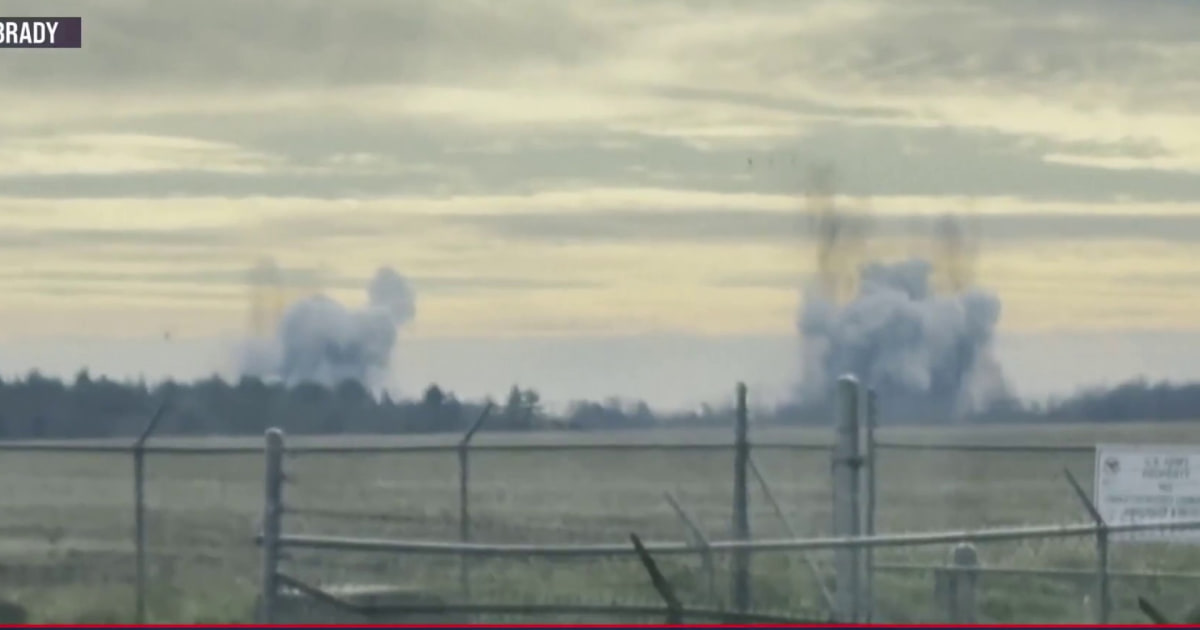
The U.S. Army detonated nearly five tons of bomb-making material in Iowa, creating two large plumes of smoke visible for miles. The controlled explosion took place at the Iowa Army Ammunition Plant in Middletown on Tuesday. Residents reported feeling tremors from the blast, but officials confirmed that no airborne lead or other hazardous materials were detected in the aftermath.
This detonation is part of an ongoing effort by the Army to safely dispose of outdated munitions and chemicals. The Iowa Army Ammunition Plant has been in operation since World War II and has a long history of manufacturing and storing explosives. As part of a broader initiative to manage and eliminate excess stockpiles, the Army conducts controlled detonations to minimize risks associated with chemical storage. The timing of this event comes as the military ramps up its efforts to address environmental concerns and comply with federal regulations.
The Environmental Protection Agency (EPA) is closely monitoring the situation. Officials have stated that they will continue to test the air, soil, and water in the surrounding area to ensure public safety. The Army is also cooperating with local authorities to keep residents informed about the safety measures in place. So far, there have been no reports of adverse health effects linked to the detonation.
Looking ahead, the Army plans to conduct more controlled explosions as part of its disposal program. This is crucial for preventing the potential hazards posed by aging munitions. The situation underscores the balance between military operations and environmental responsibility. Continued monitoring and transparent communication will be essential to maintain public trust as the Army strives to manage its stockpiles safely.
Read Full Story at NBC News →