Top UK chefs call for cutting VAT for pubs and restaurants to 10%
Four top UK chefs urged VAT cuts for pubs/restaurants from 20% to 10%, citing severe financial strain from crises like Covid-19, energy costs, and inflation. The sector loses three businesses daily in 2024, with VAT in the UK being the EU's second-highest at 20%.
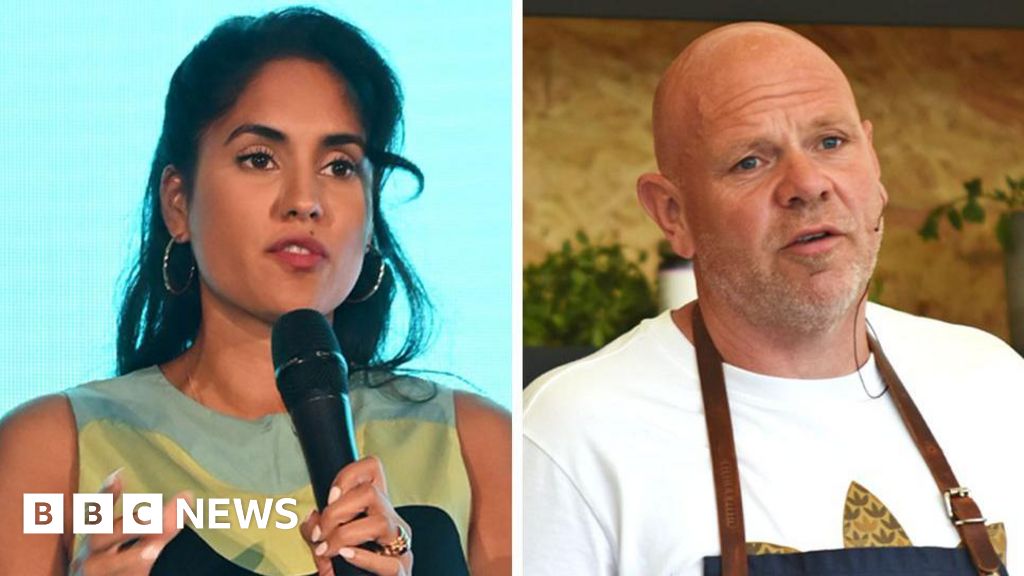
Four of the UK’s most prominent chefs and restaurateurs have intensified pressure on the government to slash VAT on pubs and restaurants from 20% to 10%, warning that the hospitality sector is facing its most punishing conditions in decades. Tom Kerridge, Yotam Ottolenghi, Ravneet Gill and Simon Rogan told BBC Newsnight that a reduction in the tax rate would provide immediate financial relief and align UK hospitality more closely with European competitors. Rogan described trading conditions as the hardest he had ever experienced, while Kerridge criticised what he called fundamental flaws in government taxation policy, stating that businesses were being driven into unsustainable margins with little prospect of recovery.
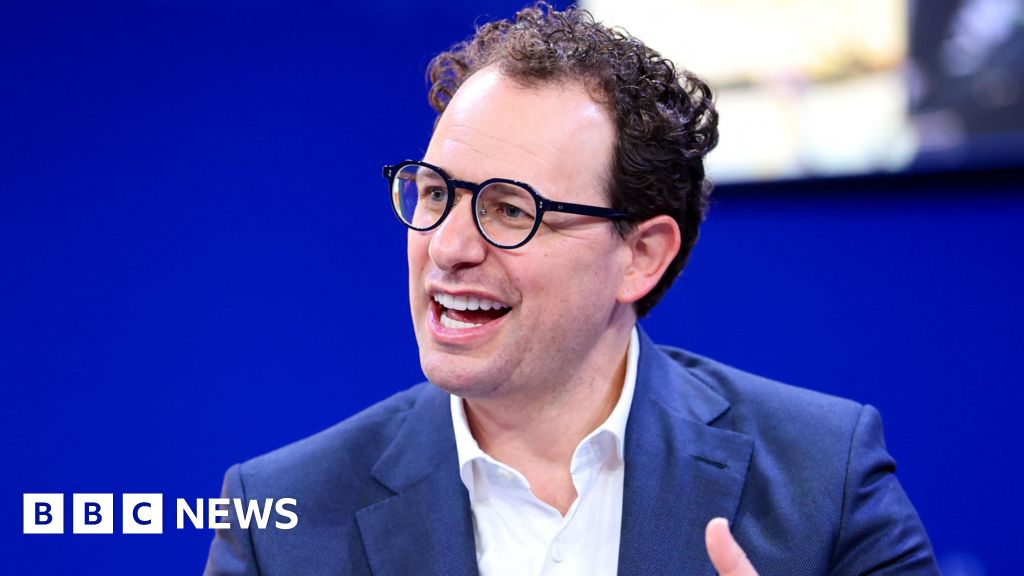
Ottolenghi, whose business includes 11 restaurants, cafes and delis, described the tax burden as “crippling,” not only for his own enterprises but for smaller operators across bakeries, cafes and pubs. He highlighted that a substantial portion of every pound taken in revenue is absorbed by multiple forms of taxation, leaving little room for investment or survival. The plea comes after years of compounded crises: the Covid-19 pandemic forced prolonged closures, energy costs surged following Russia’s invasion of Ukraine, and consumer spending on dining out has fallen sharply amid the cost-of-living squeeze. Although temporary support schemes, including Eat Out to Help Out and earlier VAT reductions, offered brief respite, the sector continues to haemorrhage businesses—with UK Hospitality reporting that three hospitality firms close every day so far in 2024.
The standard VAT rate in the UK stands at 20%, the second highest in Europe after Denmark, and significantly above rates in Germany (7%), Ireland (9%), and France, Italy and Spain (all 10%). Industry body UK Hospitality has long argued for a cut to 10%, citing the need to halt the wave of insolvencies and restore competitiveness. Kerridge, who operates five venues, pointed to a confluence of cost pressures—including higher employer National Insurance, business rates and the minimum wage—as factors eroding profitability. He warned that businesses had reached a “peak point” where further price increases would deter customers entirely, making it impossible to pass on costs without losing trade.
Cabinet minister Pat McFadden acknowledged the government had asked businesses to contribute more while insisting that support was provided where feasible. However, he cautioned that tax reductions come with broader fiscal trade-offs, noting that the chancellor must balance competing demands amid rising public expenditure pressures. The chefs’ intervention underscores a growing consensus that without meaningful fiscal intervention, the UK’s once-thriving hospitality sector risks irreversible decline, with knock-on effects for employment, local economies and national culinary reputation.