EU-Mercosur deal cuts cachaça tariffs by 90%
The new EU-Mercosur trade deal slashes cachaça tariffs, letting Brazil's sugarcane spirit enter Europe's mainstream market. This deal, driven by U.S. trade tensions, offers cachaça a rare chance to be
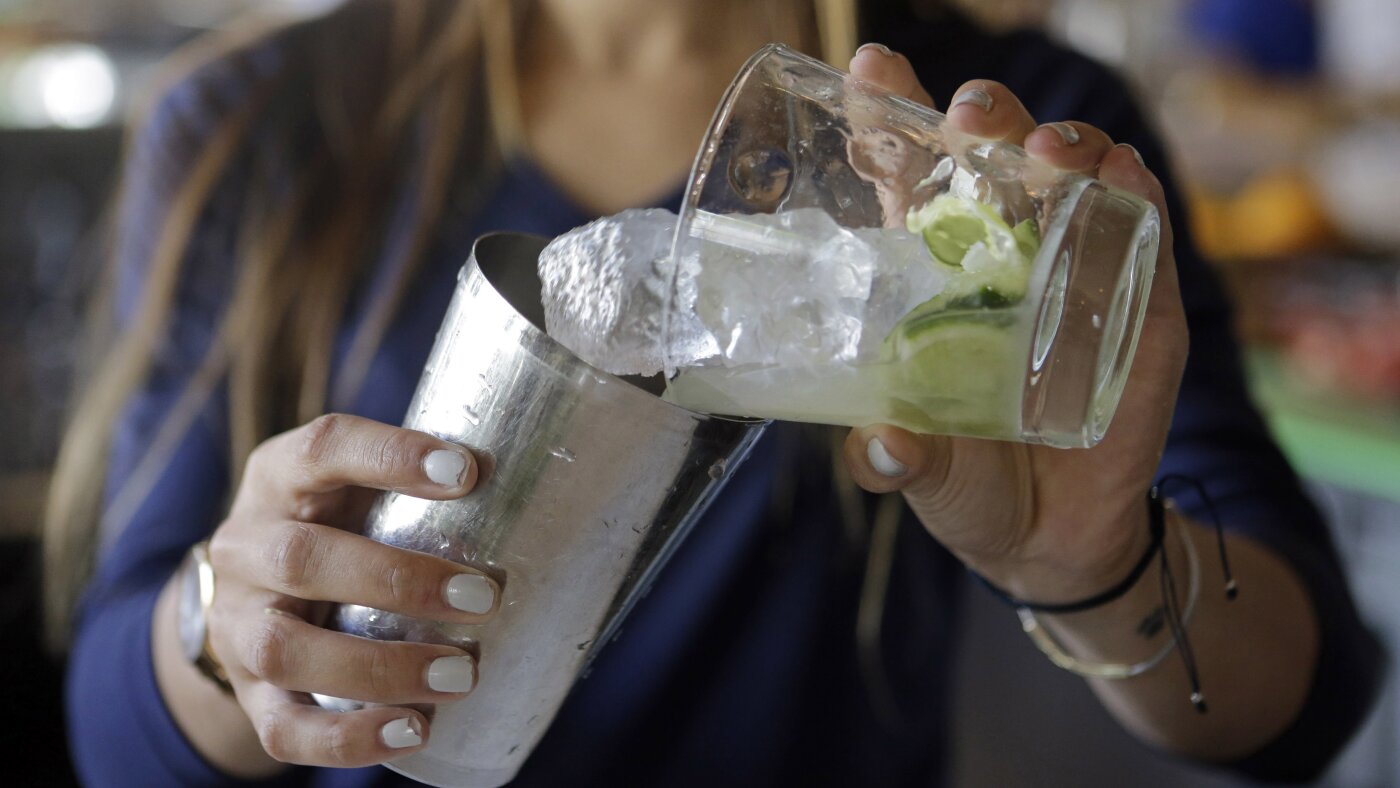
The Trump administration’s trade wars have pushed Europe and South America into each other’s arms, opening a rare door for Brazil’s cachaça makers aft
Read Full Story at NPR News →Why This Matters
The EU-Mercosur deal isn't just about tariffs—it marks a strategic pivot in Brazil's agricultural diplomacy, where a humble spirit could become a symbol of soft power. By breaking down barriers for cachaça, Europe isn't just opening its markets; it's legitimizing a product long dismissed as a tourist novelty, potentially reshaping global perceptions of Brazilian craftsmanship.
Background Context
For decades, cachaça operated in the shadows of rum and tequila, despite being Brazil's national drink for over 500 years. EU tariffs as high as 50% kept it out of mainstream supermarkets, forcing producers to rely on niche exports. The Mercosur pact, negotiated in parallel with U.S. tariff wars, offers a rare geopolitical olive branch—one that could redefine Brazil's role in global trade.
What Happens Next
Producers will race to meet EU certification standards, while European distributors test demand for a spirit unfamiliar to most consumers. Watch for lobbying efforts to protect EU rum and vodka industries, which may push back on preferential terms. Meanwhile, Brazil's smaller *engenhos* (distilleries) could struggle to scale up, risking consolidation under larger brands.
Bigger Picture
This deal reflects a broader shift where agricultural products are weaponized in trade wars, turning commodities into diplomatic chips. It also spotlights the "premiumization" of traditional spirits, where authenticity—not just price—drives market expansion. Brazil's gamble on cachaça may set a precedent for other culturally rooted exports seeking a global foothold.