Traffic through Strait of Hormuz falls steeply after new US-Iran strikes
Traffic through the Strait of Hormuz has fallen steeply after a series of tit-for-tat strikes by the US and Iran following an attack on three tankers earlier this week. Just 23 tankers and cargo ship
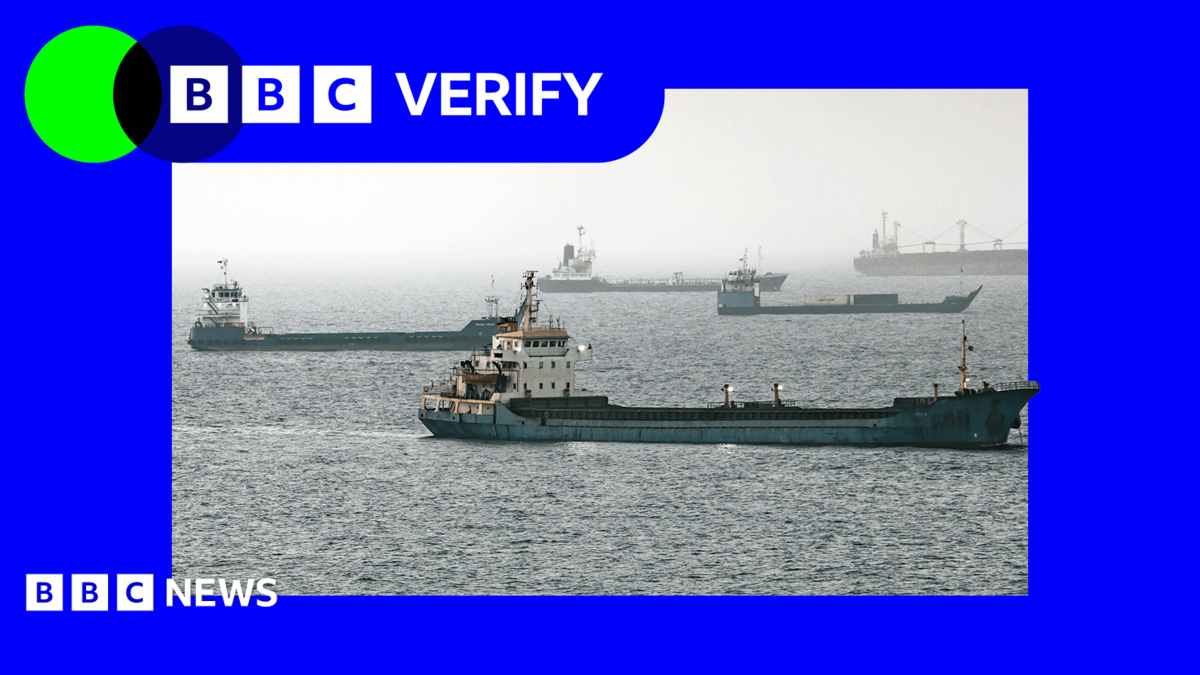
Traffic through the Strait of Hormuz has fallen steeply after a series of tit-for-tat strikes by the US and Iran following an attack on three tankers
Read Full Story at BBC World News →Why This Matters
The Strait of Hormuz is a critical chokepoint for global oil flows, with nearly a fifth of the world’s seaborne crude passing through its narrow waters. A sharp decline in traffic—from hundreds of vessels to just two dozen—signals not just a temporary disruption but a fundamental erosion of stability in one of the most strategically vital maritime corridors.
Background Context
Even before this week’s escalation, the Strait has been a flashpoint for decades, from the Tanker War of the 1980s to recent incidents like the 2019 drone strikes on Saudi oil facilities. Iran has long wielded the Hormuz as leverage, exploiting its geographic dominance to pressure regional rivals and global powers alike.
What Happens Next
The immediate risk is a self-reinforcing cycle of reduced shipping, higher insurance costs, and further withdrawals of commercial vessels. If tensions persist, the U.S. may feel compelled to expand its naval presence, while Iran could escalate asymmetric tactics—raising the specter of a drawn-out standoff with no clear exit.
Bigger Picture
This episode reflects a broader pattern of maritime insecurity in key trade routes, from the Red Sea to the South China Sea, where geopolitical rivalries increasingly spill into commercial disruption. The decline in Hormuz traffic may foreshadow a fragmented global supply chain, where power politics—not market forces—dictate the flow of energy and goods.