Trees may store less planet-heating carbon than hoped, study suggests
Photosynthesis does not always result in wood growth, a key factor in carbon dioxide sequestration Trees may not be able to store as much planet-heating carbon as hoped, a study suggests, with researchers finding photosynthesis does not always lead to wood growth. Scientists st
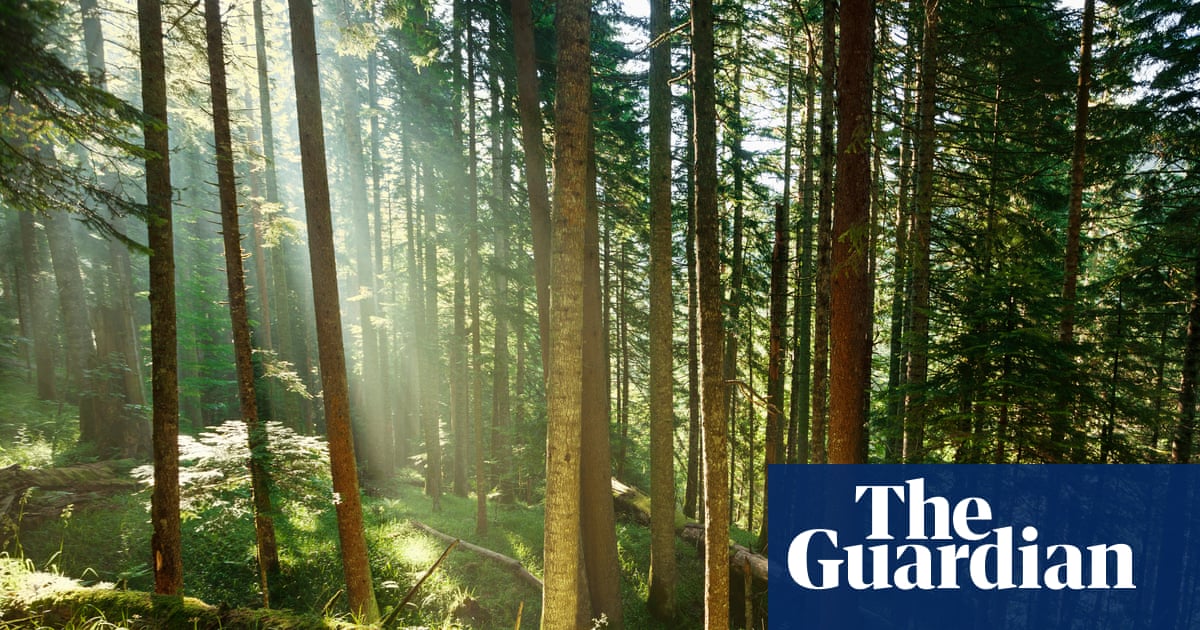
Photosynthesis does not always result in wood growth, a key factor in carbon dioxide sequestration
Trees may not be able to store as much planet-heating carbon as hoped, a study suggests, with researchers finding photosynthesis does not always lead to wood growth.
Scientists studied 137 sites across the US and found trees stopped growing months before the point in the year at which photosynthesis stopped.
Forests are a vital defence against climate breakdown but their power depends in part on how much carbon dioxide they can convert into wood, which keeps the planet-heating molecule out of the atmosphere for decades and centuries. Other uses of carbon are typically shorter lasting.
As fossil fuel emissions leave more carbon dioxide in the atmosphere for trees to absorb, climate scientists expect the land-based carbon sink to remain stable or grow over the 21st century. But many of the models estimate the uptake using the levels of photosynthesis, rather than actual wood growth.
“Right now, most models assume that if you have photosynthesis, you have growth. We find that’s not the case,” said Mukund Palat Rao, a carbon cycle scientist at the Lamont-Doherty Earth Observatory at Columbia University and lead author of the study. “Just because there is more photosynthesis might not necessarily mean more tree growth in the future.”
At sites in the eastern US, the researchers found about 36% of yearly carbon uptake occurred after the tree growth stopped in late summer. At sites in California, it was about 26%.
More detailed measurements at four sites showed wood growth was restricted to periods of low aridity and temperature, which are becoming rarer as the global rise in temperature makes heatwaves and droughts more common.