Tropical forests can switch from carbon sinks to carbon sources during El Niño
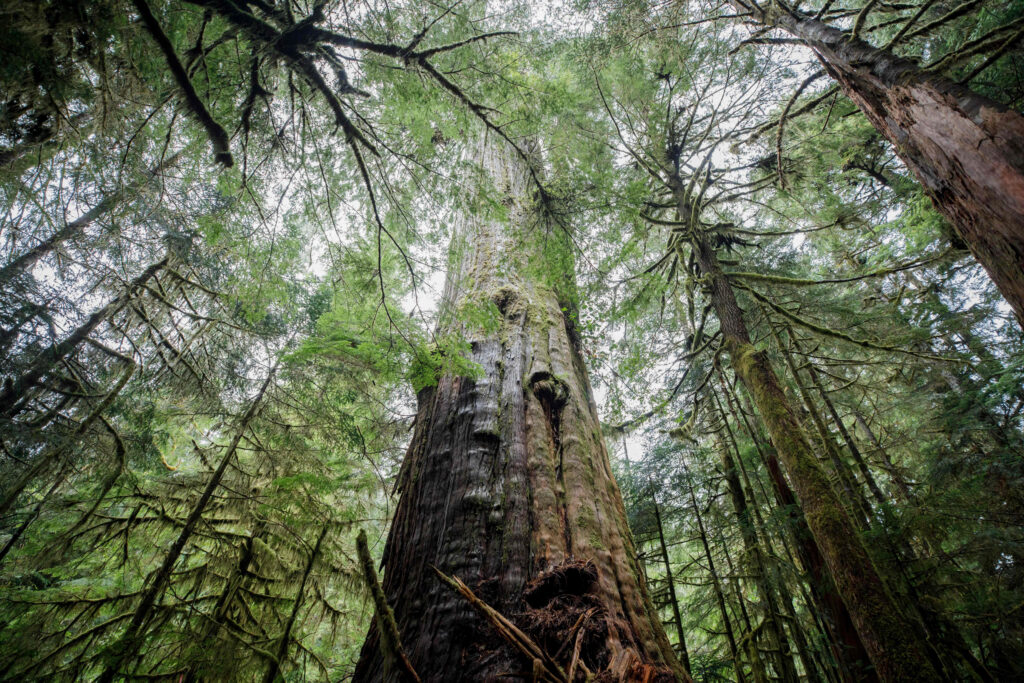
Tropical forests draw down and store large quantities of CO₂ from the atmosphere. The Amazon rainforest in South America, for example, stores approximately 123 billion tons of carbon—more than is stor

Tropical forests draw down and store large quantities of CO₂ from the atmosphere. The Amazon rainforest in South America, for example, stores approxim
Read Full Story at Phys.org →Why This Matters
The revelation that tropical forests can flip from carbon sinks to sources during El Niño events underscores a critical vulnerability in global climate models. These reversals don’t just challenge assumptions about forest resilience—they expose how rapidly the Earth’s carbon cycle can unravel under stress, with implications for international climate targets and carbon accounting frameworks.
Background Context
While tropical forests have long been celebrated as Earth’s lungs, their role as carbon storage units is more fragile than once believed. Past research focused on deforestation and land-use change, but the compounding effects of climate variability—particularly El Niño’s warming of Pacific waters—have only recently been scrutinized as a major disruptor to these ecosystems’ carbon balance.
What Happens Next
Scientists will likely refine models to better predict when and where forests will release carbon during El Niño events, but the lack of real-time monitoring in remote regions remains a hurdle. Policymakers may need to revisit carbon offset strategies, especially for countries banking on tropical forests to meet their climate pledges, as these natural systems could become liabilities rather than assets during extreme weather.
Bigger Picture
This phenomenon aligns with a growing body of evidence that climate change is accelerating feedback loops, where warming begets more warming. It also highlights the need for integrated climate strategies that account for natural variability—not just human-driven emissions—as forests increasingly behave unpredictably under pressure.