Justice Department sues Utah to protect Kalshi from gambling ban
The U.S. Justice Department is suing Utah to block a state ban on Kalshi, a federally regulated exchange for trading contracts on real-world events, arguing it violates federal authority. This case c…
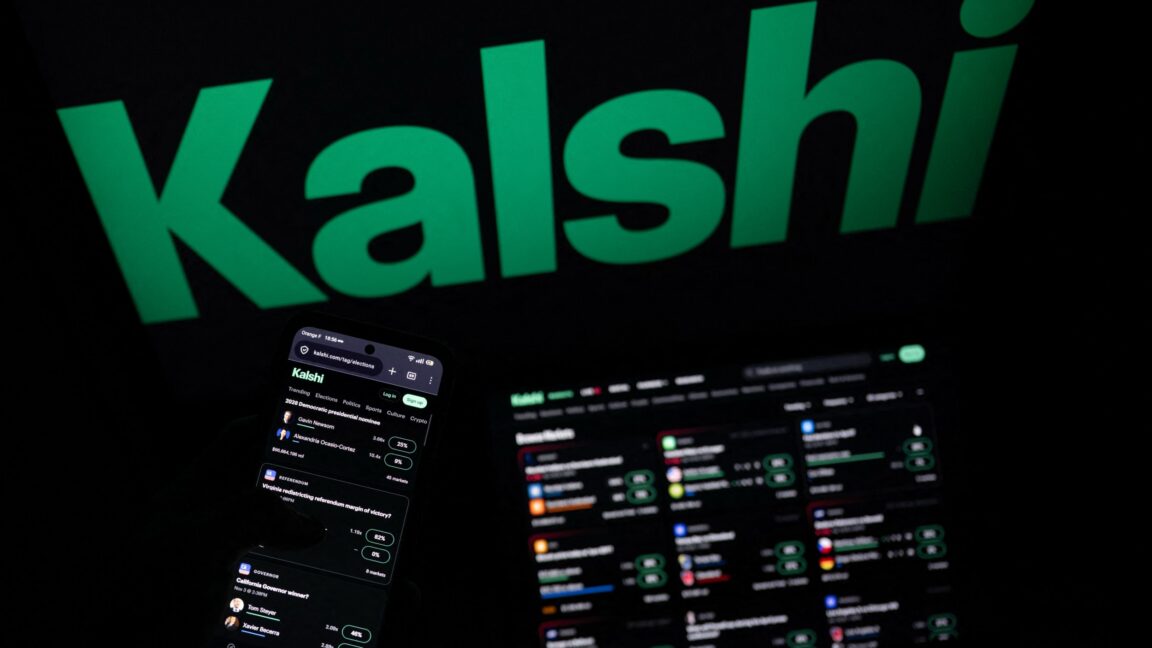
The U.S. Justice Department filed a lawsuit on Monday against the state of Utah, seeking to block the state’s effort to ban Kalshi, a federally regulated exchange that lets users trade contracts on the outcomes of real‑world events such as elections, weather and earnings reports. The suit, filed in federal court in Salt Lake City, argues that Utah’s “total ban” on gambling violates the Commodity Futures Trading Commission’s (CFTC) authority to regulate prediction‑market contracts as a form of futures trading, not as gambling.
Kalshi received CFTC approval in 2022, becoming the first U.S. exchange to offer event contracts that are overseen by a federal regulator rather than state gambling commissions. The company says its platform provides a transparent, low‑risk way for individuals and institutions to hedge against uncertainty, and it has attracted users ranging from retail traders to hedge funds. Utah, whose constitution defines gambling broadly and has a history of strict anti‑gambling statutes, moved to classify all prediction‑market activity as illegal gambling in a 2023 amendment. The move sparked concern among market‑participants that a patchwork of state bans could fragment a nascent industry that the federal government has begun to legitimize.
Legal scholars note that the clash pits federal preemption doctrine against states’ traditional police powers over gambling. The Justice Department’s brief cites the Supremacy Clause, arguing that the CFTC’s nationwide licensing scheme creates a uniform standard that states cannot override. Utah Attorney General Sean Reyes, who has championed the ban, responded that the state will defend its law, saying it protects residents from “unregulated betting that exploits vulnerable citizens.” Industry groups, including the Digital Asset Trade Association, have welcomed the lawsuit, warning that a cascade of state bans could stifle innovation in financial technology and limit tools for risk management.
The case will proceed to a preliminary hearing in the coming weeks, with a decision on whether the federal court will issue an injunction that halts Utah’s enforcement of the ban. If the government prevails, it could set a precedent that shields other regulated prediction‑market platforms from state gambling restrictions, potentially opening the door for broader adoption of event‑contract trading across the United States. If Utah wins, the decision may embolden other states to craft similar bans, forcing the industry to navigate a fragmented legal landscape.
Read Full Story at Ars Technica →